
How to Choose a Wedding Coordinator in Myrtle Beach
A Myrtle Beach wedding coordinator should do more than place centerpieces or hand out timelines. The useful test is whether that person can turn your decisions into a workable schedule and make responsibilities visible. During an initial conversation, ask who directs the ceremony, who cues vendors, and who answers questions from guests. A coastal wedding may involve a beach ceremony, a courtyard transition, and a ballroom reception, each with different setup needs. Write down what you will still manage yourself. That simple exercise often exposes a gap between an appealing package description and the help you actually expect. Clarify the coordinator’s role before comparing prices. A full-service professional may assist with venue decisions, catering, vendor communication, rehearsal details, setup, and event timing. A month-of coordinator generally steps in after most bookings are complete, reviews your plans, and runs the wedding day. A venue coordinator usually concentrates on that property’s rooms, staff, policies, and approved vendors. Those services can overlap, but they do not mean the same thing. If you are researching a wedding coordinator myrtle beach option, request the meeting schedule, written scope, overtime terms, and backup contact before signing. Room capacity should be judged from a floor plan, not from a number in a brochure. The drawing should account for guest tables, a dance floor, buffet or bar service, staff paths, accessibility, and practical spaces such as a gift table or stroller parking. A dinner for 120 guests might fit on paper and feel crowded once a band and service stations are added. Ask the coordinator to show a layout close to your guest count and explain what changes if the head table, cake table, or dance floor moves. That conversation reveals trade-offs before deposits and rental orders are committed. Outdoor ceremonies need a written weather procedure. The plan should state who watches conditions, when the location decision is made, how guests receive the update, and whether moving chairs or decor creates an extra charge. An all-season courtyard may provide an alternative, while a ballroom can offer a more controlled reception setting, but a relocation still takes labor. Ask where guests wait during the change and whether the move affects portraits, dinner service, or the ceremony start. A coordinator should also identify the latest practical point for a decision, rather than promising to keep monitoring the forecast indefinitely. The run of show should reflect the actual property, not a copied template. Include arrival times, vendor setup, the ceremony, family photographs, cocktail service, dinner, speeches, dancing, and departure. Build in the walking time between the ceremony and reception areas, plus time for a photographer to gather relatives who may wander toward the bar. One useful habit is to print the final schedule and mark the person responsible for every transition. Ask who announces the next event, checks table readiness, receives late deliveries, and handles a missing boutonniere. Small assignments prevent the couple from becoming the default problem solvers. Food planning deserves specific questions. Ask which service styles are available, when the final guest count is due, and how allergies or other dietary requests move from the response card to the kitchen and serving team. Plated service can create a formal pace but usually depends on accurate meal selections and seating information. Buffet service may offer more flexibility, while requiring queue space and regular replenishment. If the property provides catering or set menu options, confirm what the package includes and what costs extra. Also discuss cake storage, beverage service, cleanup, outside food, and who may approve a last-minute change. Read the contract alongside the working plan. Check payment dates, cancellation language, overtime rates, setup and cleanup duties, weather procedures, vendor restrictions, and the definition of the final guest count. Ask exactly who will attend the wedding and whether that person is assigned to multiple events that day. During a tour, bring a written question sheet and note each answer beside the relevant contract section. Reviewing a north myrtle beach venue can help you compare ceremony settings, reception space, and service expectations before that meeting. Specific answers make it easier to judge whether the arrangement suits your guest list and the amount of day-of responsibility you want to keep.
Electric Patio Heaters Explained
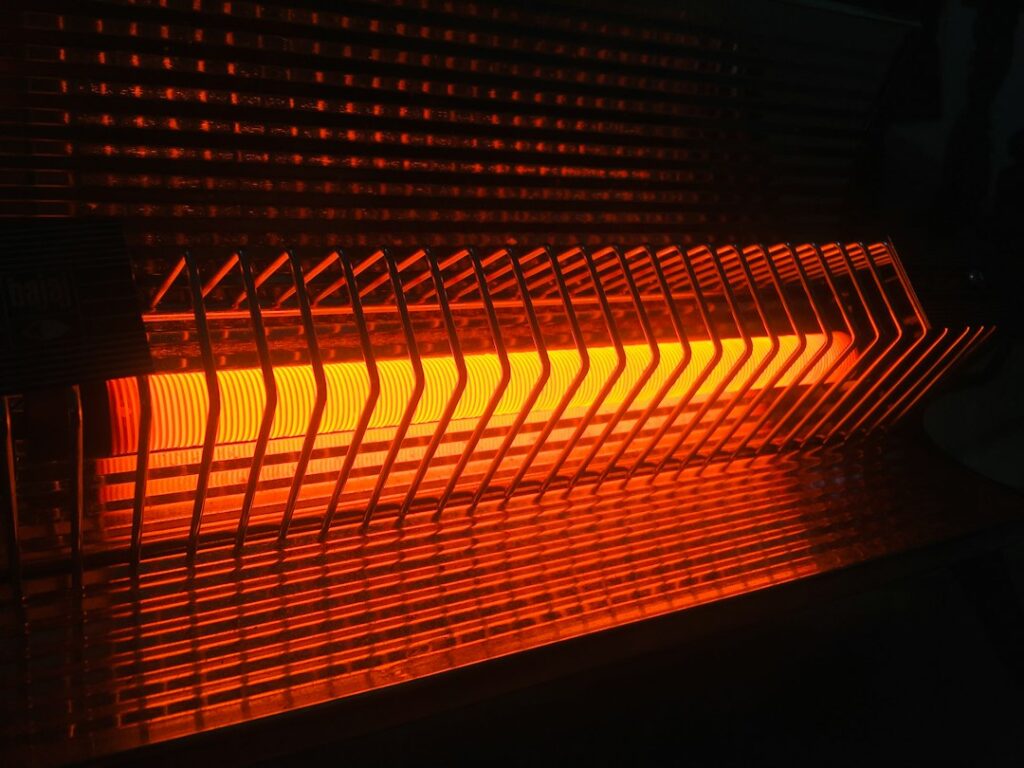
An electric patio heater is designed to warm people and nearby surfaces, not to raise the temperature of an entire garden evenly. That distinction explains why a unit can feel effective beneath it but disappointing several metres away. Start by noting where people usually sit, how many seats need warmth and whether the patio is used for short meals or long conversations. A covered terrace may retain comfort better than an exposed deck, where wind carries warmth away. Thinking about the occupied area first gives a more realistic starting point than choosing a heater solely for its appearance or advertised coverage. Most outdoor electric heaters use infrared radiation. The element sends invisible energy towards people, furniture and other solid objects, which absorb some of it and become warmer. The effect may be noticeable soon after switching on, even while the surrounding air remains cool. Convection heaters work by warming air, but outdoor air can disperse quickly. Imagine, hypothetically, two chairs beneath a covered roof and two more at the edge of an open terrace. A directional radiant heater may suit the first pair, while the exposed seats may remain uncomfortable unless wind protection and positioning are improved. Wattage is often misunderstood. It indicates the electrical power a heater uses, not a guaranteed radius of warmth or fixed coverage area. A higher figure may help with more seats, but mounting height, wind, the element’s angle and the patio’s shape also affect what people feel. Two modest heaters aimed at separate ends of a long table could provide more even comfort than one larger unit fixed far away. Conversely, several appliances may increase cost, wiring demands and visual clutter. Treat manufacturer coverage information as a starting guide, then compare it with the real seating arrangement and the conditions around it. Positioning can matter as much as the heating technology. Wall mounting keeps floor space clear and provides a fixed direction, whereas a freestanding model can move when chairs or tables are rearranged. Aim radiant heat towards occupied seats and upper bodies rather than an empty wall. Check the instructions for clearances above and around the appliance before selecting a bracket or canopy. Doors, awnings, branches and hanging fabrics should not obstruct the heater. A stable base and sensible cable route also reduce trip risks. Never improvise a support, bracket or extension arrangement, even if the proposed position seems convenient. Controls should match the way the patio is used. Adjustable output allows less heat after guests have warmed up, while a timer can suit a planned period of use. A thermostat is different because it switches heating around a selected temperature, assuming its sensor can read the surrounding conditions properly. Do not assume every model regulates the air like an indoor heating system. Checking the supplied controls before purchase avoids disappointment. As a practical comparison, information about electric patio heaters can help relate different heater types to particular outdoor layouts and routines. Weather resistance does not mean a heater can be ignored outdoors. An IP rating describes protection against the entry of solids and water, but the suitable rating depends on the location and the manufacturer’s instructions. Rain, salty air and dust can affect external parts over time. Switch off and disconnect power before cleaning, allow the surfaces to cool, and inspect the cable, plug, fixings and casing for damage or looseness. Read the installation guidance carefully if fixed wiring, a wall bracket or a protected socket is involved. Use a qualified professional where the instructions or applicable electrical requirements call for one. A sensible next step is to mark the usual chairs on a simple patio plan, then check the likely mounting point, cable route, door swing, rain exposure and clearance from combustible materials. For a small, sheltered balcony used by two people, directional heat with straightforward output control may be enough. An open entertaining area may need wind protection, separate heating zones and a carefully selected position rather than the largest available model. Keep portable equipment stored as directed when unused, and switch heating off beside an empty table. Further patio heating advice may assist comparison, but the final test is safe, consistent warmth where people actually sit.