
Custom Silicone Swim Caps
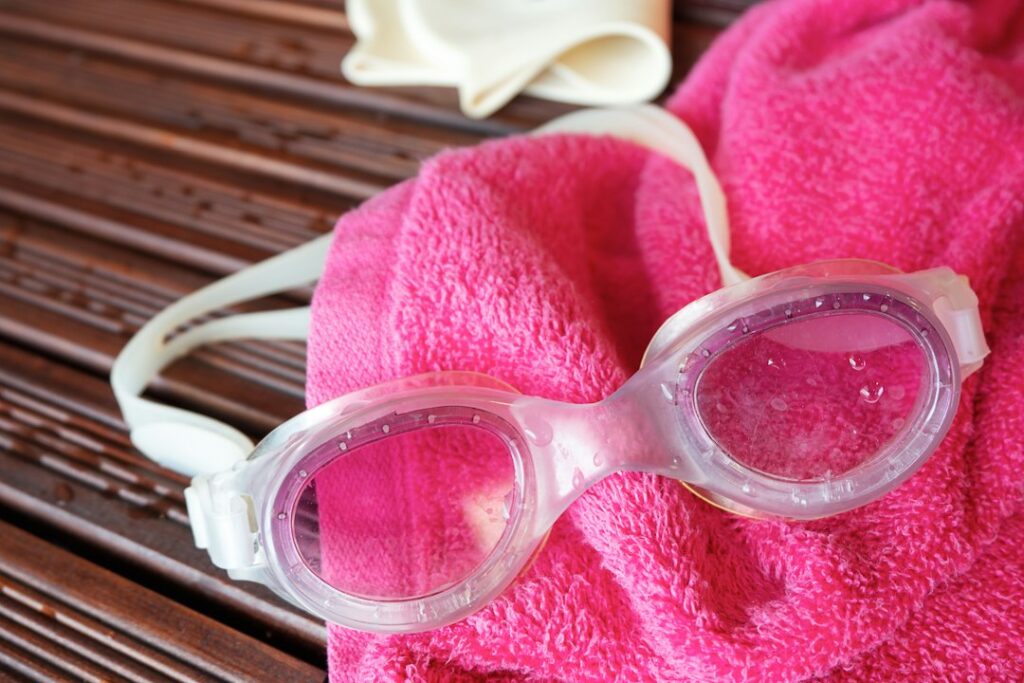
A common myth says any custom swim cap will look sharp once a logo file is uploaded. Reality is more practical: cap color, print area, artwork scale, and material all affect the finished appearance. Silicone has a smooth surface that can suit clear lettering and simple graphics, but very fine details may require adjustment. A coach preparing for a weekend meet might expect a large team emblem to stand out, then find that small text is difficult to read from the bleachers. Reviewing a proof and checking the design on an actual cap can reveal problems before production begins. Another myth is that custom means each cap is molded to an individual swimmer’s head. Usually, customization refers to decoration, color, or team identity rather than a personalized shape. Fit depends on head circumference, hair volume, and how the cap sits around the ears and hairline. Imagine two teammates receiving identical caps: one has a close haircut, while the other has thick, shoulder-length hair. The second swimmer may need more room or a different style to avoid uncomfortable pressure. A shared design does not guarantee an identical wearing experience. Some swimmers assume silicone caps cannot slip. Their elasticity can help a cap stay in place, but fit, hair, water movement, and application technique still matter. Pulling a cap on from one edge may create uneven tension and expose part of the hairline. A more controlled method is to open the cap with both hands, settle the front first, and then smooth the sides and back. This may improve coverage, but it cannot guarantee perfect security during every dive or turn. A cap can help contain hair and reduce drag around it without replacing a proper fit. It is also inaccurate to describe silicone as merely a thicker form of latex. Silicone is generally smooth, flexible, and resistant to absorbing water, while latex often feels thinner and may cling more closely. Latex sensitivity is another reason to check material information before ordering. Neither material is automatically right for every swimmer. A young recreational swimmer may value easy handling, while a competitive swimmer may prefer silicone’s smooth feel. The custom graphic does not change the need to consider comfort, allergies, hair volume, and whether the swimmer can put the cap on without assistance. A further misconception is that every logo can be printed exactly as supplied. Artwork resolution describes how much visual detail an image contains, and a low-resolution file may look blurry when enlarged. Contrast matters as well. Pale lettering on a light cap can lose visibility under pool lighting, whereas a simple dark mark may remain easier to recognize. A team should provide clean artwork, confirm intended colors, and ask where the design will sit. A digital proof is useful, although screens and printed silicone reflect light differently, so a slight variation in appearance is possible. Durability is often treated as proof that a cap or its graphic will last forever, but care and handling affect its service life. Chlorinated water, sunscreen, sharp fingernails, rough pool decks, and heat may contribute to wear. After practice, rinsing the cap with fresh water and allowing it to dry away from direct heat is sensible. Loose folding is preferable to stuffing it under wet towels, which can encourage creases. A school or club comparing silicone swim caps custom should consider not only how the caps look on arrival, but also how swimmers will store and handle them throughout a season. Custom caps are neither merely promotional objects nor a substitute for other equipment. They can identify lanes, represent a club, and keep hair more contained, while goggles, suits, and training needs remain separate decisions. Before ordering, a group should estimate swimmer numbers, allow for spare caps, confirm artwork approval, and plan distribution by size or available samples. A small youth team might keep extras for new members, while a masters group may place greater weight on readable branding and comfort. Clear team equipment planning makes the order more useful than an attractive design alone.