
Practical IT Assessment for Control

The sales team loses half a morning when the shared drive stops responding, while nobody knows whether the cause is a server, a network switch, or an expired cloud credential. An IT operations assessment turns that confusion into a documented picture of how work actually moves through technology. It examines systems, support practices, security controls, costs, and business dependencies rather than simply listing equipment. The goal is not to produce a thick report that sits unread. It is to identify operational weaknesses, rank their consequences, and give leaders a manageable sequence of decisions. Start with evidence, not opinions. An assessor should review an asset inventory, which is a current record of devices, applications, owners, locations, and lifecycle status. Missing laptops, duplicate software subscriptions, and unsupported servers often remain invisible until an incident exposes them. The review should also compare written procedures with daily behavior. For example, a company may claim that access is removed when an employee leaves, yet find that managers email requests to an overloaded administrator. A useful it operations assessment tests these gaps through interviews, configuration samples, ticket records, and direct observation. The next question is how failure travels. Dependency mapping shows which business services rely on which applications, databases, networks, vendors, or people. That plain relationship map can reveal why a minor database outage prevents order entry or payroll processing. The assessment should distinguish a single point of failure from a tolerable inconvenience. It should also examine incident response, meaning the defined process for detecting, containing, fixing, and learning from an interruption. If the only response plan is to call one technician, the organization has a staffing risk as well as a technical one. Recovery claims need numbers attached to them. Recovery time objective, or RTO, is the longest acceptable period a service can remain unavailable. Recovery point objective, or RPO, describes how much recent data the business can afford to lose. A small distributor might accept four hours without email but require order records restored within thirty minutes. Those choices affect backup frequency, duplicate systems, staffing, and cost. An assessment should test whether backups can actually be restored, not merely confirm that a green status icon says they completed. Testing often exposes permissions, capacity, or documentation problems. Security deserves an operational review because controls that interrupt work tend to be bypassed. Multi-factor authentication adds a second proof of identity beyond a password, reducing the damage from stolen credentials. Least privilege means giving each person only the access needed for current duties. Both ideas require practical ownership, timely account changes, and a way to handle exceptions. A field employee with poor connectivity may need an approved alternative, while a former contractor needs prompt removal. The assessment should record where controls fail, who owns the fix, and what inconvenience a proposed safeguard may create. Costs should be examined alongside risk. Replacing every aging computer may be less sensible than addressing an unsupported server that runs a revenue-producing application, but postponing all replacement can create rising support effort and compatibility problems. A good review separates mandatory maintenance from optional improvement and identifies trade-offs clearly. For instance, a company could choose a managed service for routine monitoring while keeping strategic architecture decisions internal. It might also consolidate overlapping tools, provided migration effort and lost features are counted. Practical technology consulting options should clarify these choices rather than present one expensive answer. Finish with an action plan that a busy operator can use. Each recommendation should name the affected service, the observed condition, the business consequence, an owner, an approximate effort, and a target sequence. Near-term work might include documenting critical dependencies, testing restores, or removing stale accounts. Longer-term work could involve redesigning a fragile application or changing supplier arrangements. Set review dates and measures such as unresolved high-impact incidents, restore-test results, or overdue access reviews. The assessment earns its keep when it changes daily decisions, reduces avoidable surprises, and gives leaders a defensible reason for what they fund or defer.
Emergency Nurse Call Improves Response

A resident slips beside the bed and presses a call button. At the same moment, someone in the hallway is shouting for assistance. Staff need more than a panel that makes noise. They need to know who called, where the request originated, and whether another team member has taken responsibility. An emergency nurse call system can provide that structure in an aged care facility, retirement village, or medical center. It does not replace clinical judgment. It gives staff clearer information so they spend less time identifying the problem and more time responding to it. Escalation is central to a usable call process. If nobody acknowledges an alert within a configured period, the system may pass it to another staff member or response point, depending on its design. That arrangement is useful during meal service, overnight coverage, or an evacuation, when the closest caregiver may already be occupied. Personal assistance, a bathroom emergency, and a building alarm should not appear as identical events. Distinct tones, labels, or display priorities can help staff judge what needs attention first. A call should remain visible until responsibility is clear, rather than disappearing because another request arrived. Integration should connect related events, not merely place different devices in the same building. A nurse call trigger may sit within a broader process that also includes evacuation signals or sirens. Suppose smoke is detected near a retirement village common room while a resident has already requested help. Staff need to understand both events, including which response takes priority and whether movement through the area is safe. Disconnected alerts can force people to compare separate panels or radio messages under pressure. A coordinated approach can present related information through an agreed workflow, provided the facility defines how staff interpret and act on each signal. Location data has a direct effect on response time. Zone mapping can identify a room, corridor, wing, or outdoor area instead of displaying only the building name. In a medical center, a patient may become unwell in a treatment room while the reception desk is crowded with visitors. A precise alert directs the available clinician toward the correct room without a series of calls asking who activated the device. Before approval, planners should check that room names on screens match the labels used by staff, floor plans, and emergency procedures. Small naming differences can cause hesitation, especially for relief workers unfamiliar with the site. Acknowledgment and reset serve different purposes. An acknowledgment confirms that someone has seen the alert; it does not confirm that the resident has been assessed or helped. Reset should follow a check of the situation and the call point, not simply a convenient tap on a screen. That distinction creates a closed loop between request and response. Staff training should cover accidental activations, repeated calls, and alerts raised during a wider emergency. A practical habit is to record the response in the facility’s usual incident or shift document, then report faults rather than repeatedly silencing them. A quiet display is not proof that an incident is resolved. Reliability also depends on the conditions around the equipment. Facility managers should ask how devices communicate, what staff can expect during a network interruption, and how power continuity is addressed. Audibility needs testing near dining rooms, televisions, bathrooms, and other noisy areas. Visual indicators and handset placement matter for people with limited hearing, mobility, or reach. Staff should test a sample room during a busy period and again on an overnight shift, since a demonstration in an empty corridor reveals little. The inspection should include battery or power status, button access, alarm volume, and whether responders can identify the location without extra instructions. The response procedure should be written before equipment is selected. It should name the person who receives an alert, define escalation paths, state who may reset a call, and set a routine for testing and fault recording. Managers can keep a current room list beside the response console and review it after renovations, room changes, or a new wing opening. That simple check prevents old labels from sending staff to the wrong place. During procurement, planners can compare how integrated safety alerts fit those procedures rather than judging features in isolation. The practical test is clear: the right people receive a meaningful alert, know where to go, and record what happened.
Non Toxic Candles: A Practical Guide

You light a candle before guests arrive, then notice your dog leaves the room or a black mark is forming above the jar. That reaction does not automatically prove the candle is dangerous, but it is a useful reason to check what you are burning. “Non toxic” is not a tightly defined guarantee on every label, so evaluate the wax, fragrance, wick, container, and directions together. A safer choice should produce little visible smoke, disclose its main materials, and come from a maker that gives clear burn and safety guidance. No candle is risk-free around an open flame. Wax is the main fuel, but the label can be hard to interpret. Soy, coconut, and other plant-based waxes are alternatives to paraffin, a petroleum-derived wax. Plant-based does not automatically mean cleaner, safer, or better; blending, fragrance load, wick design, and manufacturing quality also affect performance. Beeswax is another option, although it has a distinct natural scent and may cost more. A candle described only as “natural” gives you limited information. Look for the wax type, fragrance disclosure, and country of manufacture when those details matter to your buying decision. For a cautious starting point, compare non toxic candles by their full labels rather than by one appealing claim. Fragrance is often the most confusing part. Essential oils come from plants, while fragrance oils are formulated blends that may include natural and synthetic ingredients. “Natural” does not mean harmless: concentrated plant oils can irritate people or animals, and some pets are particularly sensitive to strong scents. Volatile organic compounds, commonly called VOCs, are chemicals that evaporate into indoor air and can contribute to odor or irritation. A candle releases fragrance as it burns, so ventilation matters. If you or a pet develops coughing, watery eyes, nausea, or unusual behavior, extinguish it, air out the room, and avoid using that formula again. The wick controls how steadily the candle burns. Cotton and wood wicks can both work well, but neither is automatically non toxic. A wick that is too long, poorly centered, or oversized for the jar can create a tall flame, excess soot, or an overheated container. Soot is the fine black material produced by incomplete combustion, often visible on glass or walls. Trim the wick according to the maker’s directions before each use, keep the flame away from drafts, and stop burning before the wax is nearly gone. If the flame repeatedly smokes or flickers heavily, the candle is not performing well in that location. Pets add practical complications that a product label cannot solve. A cat may knock over a jar, a dog may investigate a low table, and birds can be sensitive to airborne fumes. Keep candles on a stable, high, heat-resistant surface, away from tails, toys, curtains, and air vents. Never leave one burning while you are out or asleep. For example, a pet owner working in a small home office might use a lightly scented candle only during supervision, then extinguish it before opening the door for a delivery. An unscented candle may be a better choice if a pet already reacts to fragrances. Marketing terms deserve a careful reading. “Clean,” “nontoxic,” “chemical-free,” and “pet safe” may not explain the actual ingredients or safe-use limits. Check whether the maker identifies the wax and wick, describes fragrance ingredients as clearly as possible, and provides warnings about pets, ventilation, burn time, and container heat. A pet-friendly candle choice still needs responsible placement and supervision. Also consider the scent’s strength. A candle that smells pleasant in a store may become overpowering in a small bedroom, especially after several hours of continuous burning. The sensible buying test is simple: choose transparent labeling, a stable jar, a manageable scent, and a wick that burns without persistent smoke. Try one candle in a ventilated room rather than buying several at once. Watch how people and pets respond over the first few uses, and discontinue it if irritation or unusual behavior appears. Plant-based wax can be a reasonable preference, but it is only one part of the decision. The safest candle is one used sparingly, maintained properly, and extinguished whenever nobody is there to watch the flame.
AI Home Inspection Software for Consistent Property Records
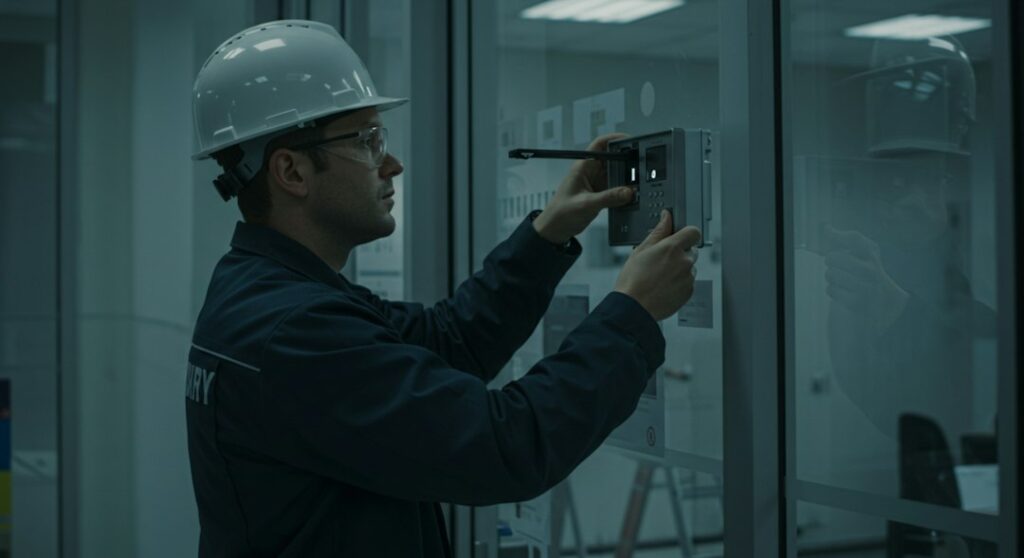
A tenant returns the keys while a property manager is already watching the clock. The inspector still has several rooms to document, a phone full of images, and handwritten notes that may make sense only until the next appointment begins. AI can improve that process, but it should serve the inspection method rather than replace it. The useful result is a record that ties images and observations to the right room, asset, and inspection date. Human judgment remains necessary for deciding what a defect means, whether it is new, and how it should be communicated to the people responsible for the property. The camera is only one part of the evidence. An inspector might photograph a dark mark beside a kitchen sink, then struggle later to remember whether it was present at move in. A disciplined workflow records the room, item, time, and condition with each image. Tools such as ai home inspection software can prompt users through those fields and reduce skipped sections, but the user still needs a planned route through the property. Before arrival, checking the address, inspection type, access instructions, and required report sections prevents a basic setup error from affecting the whole visit. Image analysis can assist with visible patterns such as cracks, stains, missing fittings, or changes between two inspections. It does not interpret every photograph reliably. A line behind a refrigerator could be a cable, shadow, reflection, or damaged surface, depending on lighting and camera position. The system should therefore present uncertain observations for review instead of turning every suggestion into a confirmed defect. Inspectors can improve the record by taking a wider image that shows the surrounding area, followed by a closer image of the suspected problem. That pair gives a reviewer both context and detail. Structured fields make inspection records easier to compare than free form comments. Instead of writing that a bathroom looks fine, the inspector can address the walls, floor, fittings, ventilation, cleanliness, and visible damage separately. The same categories can then be used at move in, during a routine visit, and at move out. Optical character recognition may also capture a meter reading, appliance label, or handwritten note, but digits should be checked against the original image before they enter the final record. A quick review of blank fields is a useful habit because it catches missing evidence while the inspector is still at the property. Synchronization deserves as much attention as image recognition. Basement rooms, garages, and older buildings may have weak reception, and a progress indicator does not always tell a user whether every file has reached the central record. Mobile software should preserve work without a connection, show which items remain on the device, and confirm the upload once service returns. Before leaving, the inspector can open the unsynced items view, check the room count, and keep the device available until the transfer finishes. That small departure routine can prevent a kitchen photograph or meter image from being absent when the report is prepared. A panoramic tour can show how rooms connect and give a remote reviewer a better sense of layout. It is still different from close evidence of a loose handle, failed seal, chipped tile, or water mark. A tour should accompany room photographs and written observations, not stand in for them. Within a wider property inspection records process, staff should also check whether the tour, report, reminders, and delivery steps share the same address and inspection date. Re entering those details in several places creates opportunities for mismatched records, especially during a busy handover day with multiple properties on the schedule. Generated wording needs editorial review before a report reaches an owner, tenant, contractor, or insurer. A sentence stating that water damage is present makes a stronger claim than one stating that brown discoloration is visible below a window. The image may support the observation but not the cause. A sensible report separates visible condition, possible explanation, recommended follow up, and responsibility. The inspector should approve material findings, adjust language that sounds too certain, and attach the relevant image. A short note such as “source not confirmed” can be more accurate than a confident diagnosis based on one photograph. Implementation should begin with one property type and a mapped process from appointment reminder to report delivery. Identify who reviews suggested defects, who corrects room or asset details, and where the approved report is stored. Test poor lighting, duplicate images, locked rooms, missing access, no signal, and a tenant who disputes a description. Compare the new process with the old one by tracking omitted photographs, report corrections, delayed delivery, and repeated entry of the same information. Training should include the final device check and the difference between an observed condition and a suspected cause. Those controls determine whether the software improves the record rather than simply producing a faster draft.
A Practical Guide to Hormone Health in Castle Rock

Waking up tired after a full night in bed can make hormone treatment seem like an obvious next step, especially if concentration fades during afternoon meetings or sleep has become less predictable. Those symptoms may matter, but they do not identify a hormone problem by themselves. Sleep quality, thyroid conditions, anemia, medication effects, depression, anxiety, and changes in work or family demands can produce similar complaints. A useful consultation starts by defining what changed, when it began, and how it affects daily life rather than assigning every symptom to stress or declining hormone levels. Bioidentical hormone replacement therapy, commonly called BHRT, refers to hormones designed to have the same molecular structure as hormones produced by the body. The label describes molecular structure, not a guarantee of safety, effectiveness, or suitability. A clinician should explain which hormone is being considered, what symptom it is intended to address, how it will be taken, and what alternatives exist. For general background on castle rock hormone health, readers can review the treatment information before bringing specific questions to an appointment. Preparation can make the visit more useful. Write down the main symptoms, their approximate start dates, changes in menstrual patterns if applicable, and whether they vary across a cycle. Bring a current medication and supplement list, including products purchased without a prescription. A patient who checks the bottle labels or takes photographs of them before the appointment is less likely to forget a dose or ingredient. Include prior surgeries, pregnancies, fertility treatment, cancer history, blood clots, liver disease, migraines, and close family medical history when those details are relevant. Testing should answer a clinical question rather than serve as a substitute for one. A practitioner may review hormone results alongside age, reproductive status, symptoms, examination findings, and the timing of the sample. Some hormone concentrations change with the menstrual cycle, time of day, illness, or use of hormonal medication. One result outside a reference range does not automatically explain fatigue, weight change, reduced libido, or poor sleep. Conversely, a result within range does not make a person’s symptoms imaginary. The interpretation depends on the full record and the reason the test was ordered. People also benefit from asking which formulation is being proposed. Hormones may be delivered in different ways, such as a tablet, patch, cream, gel, or other prescribed form, depending on the treatment plan. The route can affect dosing instructions, absorption, convenience, and monitoring needs. Do not assume that a compounded product is interchangeable with a commercially manufactured medication, or that a product described as natural has no risks. Ask how the prescription is prepared, how it should be stored, what to do after a missed dose, and whether contact with another person’s skin is a concern for topical products. A sound plan includes a reason for treatment and a way to assess it. Before starting, agree on which changes would count as improvement, how long the initial trial will last, and when the clinician wants follow up. Keeping a brief symptom record can help: note sleep interruptions, hot flashes, bleeding, headaches, breast changes, mood, and medication use without turning the process into a second job. The record is especially helpful when symptoms fluctuate. It gives both patient and clinician something more reliable than trying to reconstruct six weeks of experience from memory in the exam room. Safety questions deserve direct answers. Ask which side effects should prompt a routine call and which require urgent medical attention. Unexpected bleeding, severe headache, chest pain, shortness of breath, leg swelling, or sudden neurologic symptoms should not be dismissed as an expected adjustment, although the appropriate response depends on the individual’s medical situation. A clinician should also review preventive care and any screening relevant to the patient’s age and history. For additional context about castle rock hormone consultations, use the available practice information as a starting point, not as a replacement for individualized medical advice. Follow up is where the original plan is tested against real life. A person may find that a dose is inconvenient, a topical application conflicts with morning routines, or a symptom blamed on hormones remains unchanged. Report those details rather than changing the amount or stopping suddenly without guidance. Bring the symptom notes, home blood pressure readings if requested, and any new medication list to the next visit. The goal is not to chase a single laboratory number. It is to decide, with appropriate monitoring, whether the expected benefit justifies continuing the treatment and whether another explanation deserves attention.