Performance Coaching for Success

Picture yourself caught between the demands of your job and personal life, unsure how to push past your limits and hit your goals. That’s where a high performance coach steps in. Their expertise lies in guiding you through behavior shifts that produce real, measurable progress. They don’t deal in vague motivation but practical adjustments that change how you work and think. For example, a business owner overwhelmed by constant interruptions might learn to block time for deep work and delegate tasks more efficiently, freeing up hours for strategic growth. A coach starts by digging into what success means personally and professionally. The process includes identifying roadblocks unique to your situation and setting clear priorities. Take the case of a marketing executive stuck in a rut despite long hours. The problem often isn’t effort but focus. Coaches help pinpoint what pulls you out of concentration, maybe constant emails or unclear goals, and teach techniques to regain and sustain high-focus states. We live in a world packed with options and distractions alike. Finding flow, the mental space where you’re fully engaged and creative, is key to top performance. Yet flow doesn’t happen by chance. Many people wait for inspiration instead of learning how to create the conditions that support it. A coach can show you how to design your day with rituals that encourage flow, like starting with the toughest task or using short breaks to reset. This is where Performer Mode® becomes relevant. It’s a mindset where your skills and challenges align perfectly, allowing you to deliver your best work. But it’s easy to slip out of this mode into frustration or burnout, which drains energy and wastes time. Understanding the triggers that disrupt flow, whether fatigue, distractions, or self-doubt, is the first step toward managing them effectively. Consider practical strategies: setting boundaries on meetings, batching similar tasks together, or using apps to limit social media during work hours. These small actions can keep you in Performer Mode® longer. Coaches often recommend journaling at day’s end to reflect on what helped or hindered focus, turning insights into actionable habits. The coaching journey begins with assessments to map your strengths and areas needing work. From there, sessions focus on behavior changes tailored to your personality and goals. It’s not about quick fixes but sustained transformation through accountability and support. For instance, learning to say no without guilt can be a breakthrough for someone overwhelmed by requests, giving back precious time for priority projects. Your personal brand is another cornerstone of success. It goes beyond public image to understanding who you really are and using that clarity as leverage. A coach assists you in defining your values and vision clearly, so you communicate confidently in meetings, presentations, or networking events. This authentic presence often opens doors that skills alone cannot. If you want a straightforward way to measure where you stand, try the free 10-question scorecard available online. It offers a quick snapshot of strengths and growth areas, helping you decide what’s worth tackling next. For those ready to commit, working with a high performance coach can provide the structure to turn potential into results. To explore further methods that improve focus and drive real progress, visit performance coaching strategies. These resources offer practical advice grounded in experience, not hype, designed to fit into a busy life.
ATV Tyres for Off-Road Stability
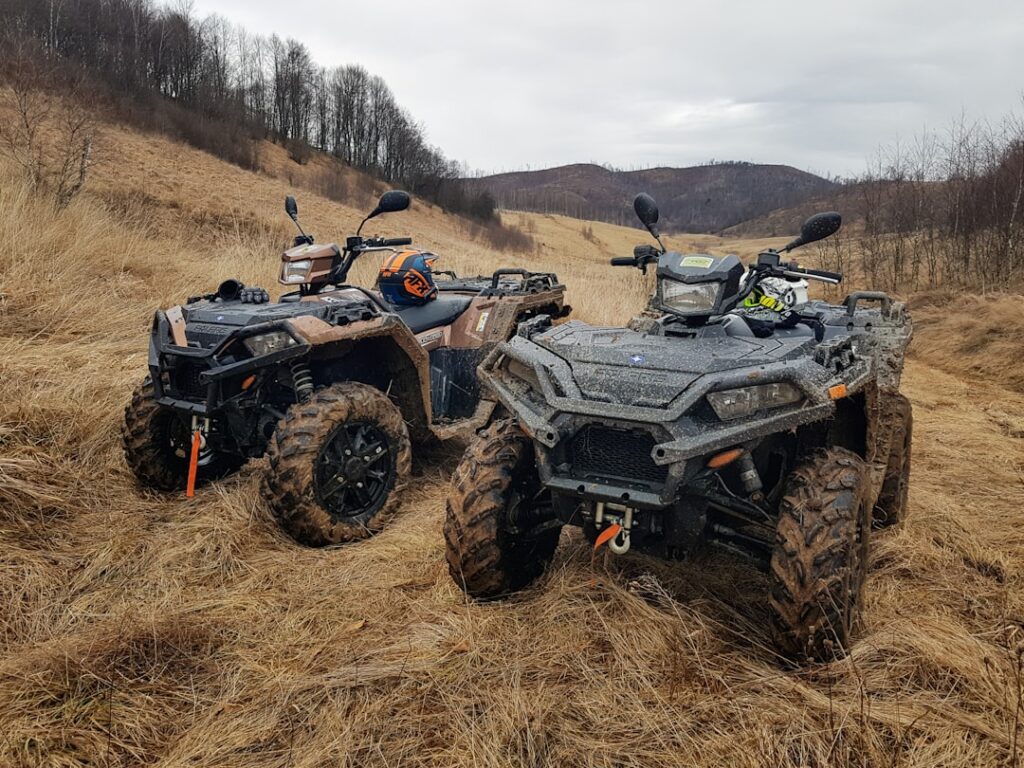
You’re out on rough trails, pushing your ATV through mud and rocks, and suddenly the tyres just won’t grip. It’s a frustrating spot that’s all too common when riders don’t pay enough attention to tyre choice. Picking the right tyres can make or break your ride, especially when the terrain is unforgiving. Knowing what tyre features work best for your typical conditions will save you from spinning wheels and wasted trips. Start by looking at tread patterns. Tyres with deep, aggressive treads handle muddy ground by shedding dirt quickly so the rubber stays in contact with the surface. On the other hand, if you mostly ride on packed dirt or hard surfaces, a less aggressive tread reduces rolling resistance and lets you pick up speed. Using the wrong tread style wears tyres faster and hurts handling, so matching the pattern to your terrain is key. Tyre pressure often gets overlooked but can seriously affect how your ATV behaves. Too much air reduces the tyre’s footprint and grip, making it easier to slip on loose soil or rocks. Too little air causes the tyre to flex excessively, overheating and risking damage. Experienced riders check pressure before every ride and adjust based on load and surface, dropping pressure slightly for soft ground but keeping it firm on rougher trails. Size matters as well. Different ATVs have manufacturer recommendations for tyre width and diameter for a reason. Putting on tyres that are too wide can throw off steering response and stability in corners. Too narrow, and you lose traction area. Always double-check your owner’s manual or get advice from someone who knows your model well before swapping sizes. Material quality varies more than many assume. Tyres made from better rubber compounds tend to resist punctures and tears better, which cuts down on roadside repairs. Some tyres also include reinforced sidewalls to handle impacts from rocks or roots without splitting. Spending a bit more upfront on durable tyres can save headaches, and money, down the line by reducing replacements. If you haul your ATV on a trailer, don’t overlook the trailer tyres themselves. Regular car tyres or worn out ones can’t handle heavy ATV loads safely. That raises risks of blowouts or trailer sway during transport. Opt for trailer tyres rated for the weight and conditions you expect, and inspect them regularly for cracks or low tread depth. Selecting ATV tyres isn’t just about grabbing what looks tough. Consider tread design, pressure habits, correct sizing, and build quality to get the most from your machine. For a wide range of options tuned to different riding styles, check out atv tyres available at competitive prices. If you need a hand sorting through the choices, don’t hesitate to ask someone familiar with off-road gear. They can point out practical differences between tyres that matter on real rides. For more information on accessories and equipment that complement your ATV, visit off-road vehicle gear advice.
Quality Waterproofing: Protect Your Investments
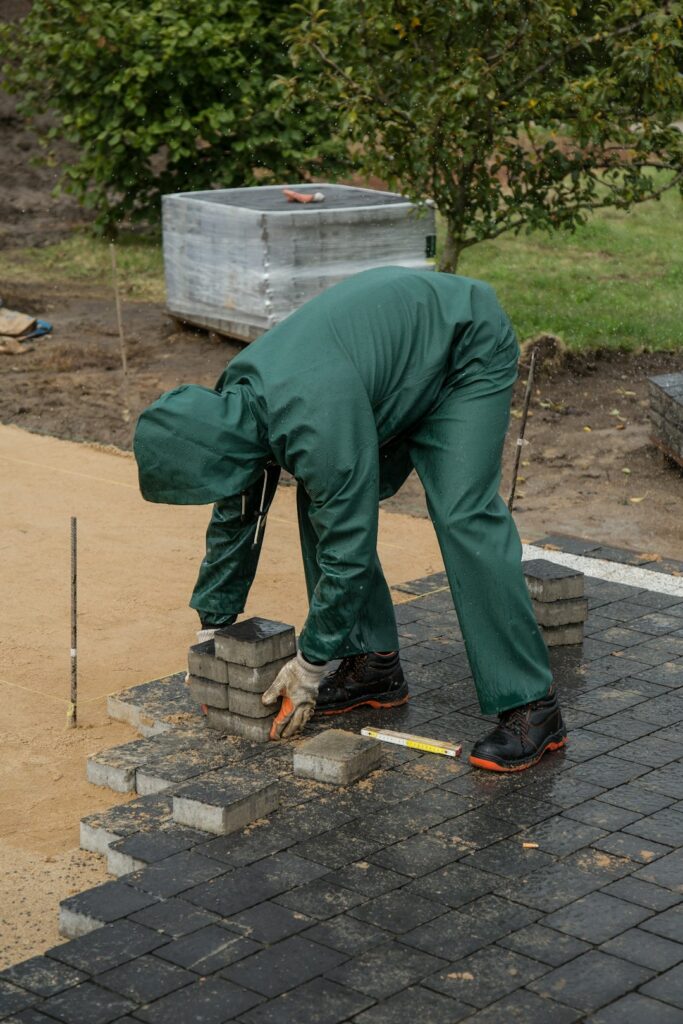
Picture stepping into your commercial property after a heavy downpour and spotting water collecting in corners or damp patches on walls. This is a problem many business owners face, especially if waterproofing wasn’t done properly. Good waterproofing isn’t just about keeping water out; it helps preserve the building’s structure and cuts down on future repair expenses. For example, basements that aren’t sealed well often end up damp, encouraging mold and weakening foundations over time. A popular method involves applying liquid membranes that stick firmly to surfaces, offering flexibility that older techniques lack. These membranes can stretch with the building without cracking, which makes them more reliable in the long run. Flat roofs need special attention too since they tend to hold water longer. Applying a liquid membrane designed for roofing can resist standing water and damage from sunlight. This kind of preventative care saves a lot of hassle and money by stopping leaks before they start. Good waterproofing also depends on how well materials keep water out while letting trapped vapors escape. Materials with low permeability stop moisture but avoid condensation problems inside walls. Strong adhesion is another must-have; products that don’t bond well can peel off, creating weak spots. Drainage is often overlooked but vital. Installing drains around foundations directs water away from the building, cutting the chance of flooding or seepage. Regularly checking these drains ensures they’re free of leaves or dirt that could cause blockages. Business owners often get confused by the variety of waterproofing products available. Some are quick fixes while others offer lasting protection. A wise move is to talk with professionals who understand quality waterproofing to find the right method for your building’s age, location, and materials. When inspecting a property, checking old work orders or maintenance records helps spot past waterproofing attempts and reveals what might need updating. Also, communication between contractors and owners is key; misunderstandings about moisture issues sometimes lead to ineffective repairs. Keeping an eye on these details prevents repeated work. Solid waterproofing takes ongoing effort to maintain its effectiveness over the years. Updating seals, membranes, and drainage before problems appear is cheaper than fixing damage afterward. Using proven materials and skilled installers adds reliability to your investment. For detailed advice on safeguarding your property from moisture damage, visit . building moisture control tips