
Understanding Deck Waterproofing Membrane
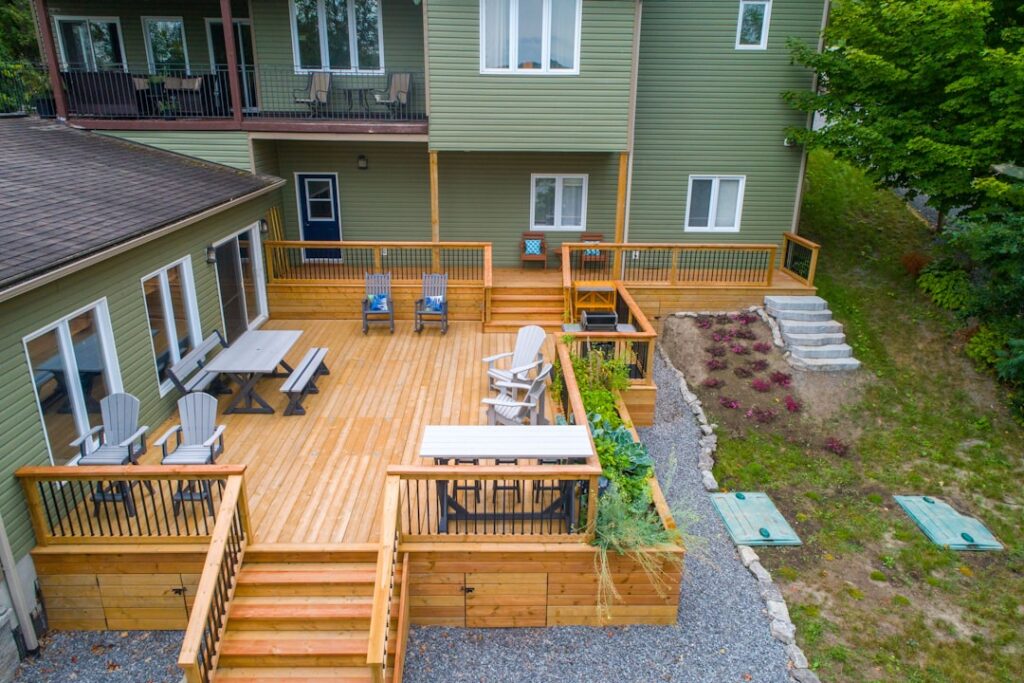
Water damage can quickly ruin a deck, whether it’s part of a home or a business. Water trapped under deck boards causes wood to warp, rot, and encourages mold growth. A waterproofing membrane acts as a shield, stopping water from seeping into the structure beneath. It’s an investment that can save thousands in repairs and extend the life of your deck. But knowing what type of membrane to use and how to install it makes all the difference. There are two main types of deck waterproofing membranes: liquid-applied and sheet membranes. Liquid membranes come as a thick paint or coating you apply with a roller or brush. They dry into a flexible, continuous layer that fits tightly around corners, edges, and other tricky spots. Sheet membranes are pre-formed rolls that you cut and glue down. They’re thicker but can be harder to fit perfectly without gaps at seams. Choosing between these depends on the deck shape and the installer’s skill. Consider the case of a restaurant owner who upgraded their outdoor seating with new timber decking. They skipped waterproofing, assuming the wood treatment was enough. Within months of heavy rain, the decking started to buckle, and mold spread underneath. A proper deck waterproofing membrane would have stopped water infiltration and kept the dining area safe and attractive. Applying such a product isn’t just about protection; it also prevents unpleasant odors and slippery surfaces caused by moisture buildup. The local climate impacts which membrane performs best. Areas with frequent rain or snow need membranes that resist water and stay flexible in cold conditions. In sunnier regions, UV resistance is key to prevent cracking and degradation. Look for membranes with high elasticity to handle deck movement without tearing. Adhesion matters too; the membrane must firmly bond to the deck surface. Some products are better suited for wood, while others work well on concrete or composite materials. Checking compatibility beforehand avoids peeling or bubbling later. Applying liquid membranes often requires several coats. Each layer must dry fully before adding the next to build up thickness and ensure no weak spots. Sheet membranes demand careful alignment; even small overlaps or folds can let water slip through. Installers usually carry out a test patch first to confirm adhesion and drying time. Whether you hire professionals or do it yourself, following manufacturer instructions precisely prevents costly mistakes and rework. Maintenance is rarely discussed but essential for waterproofing longevity. Regular inspections catch small cracks or punctures before they worsen. Heavy foot traffic or moving furniture can wear down certain areas faster, so watch for thinning spots. Seasonal temperature swings may cause minor shrinkage or expansion in the membrane, so check especially after winter or summer heatwaves. Cleaning debris off the surface helps avoid damage and keeps water flowing away properly. Simple upkeep extends protection well beyond initial installation. Documentation like product datasheets and installation guides are practical tools every property owner should keep handy. They clarify coverage rates, drying times, and repair techniques. Miscommunication often happens when installers skip reading these details or homeowners assume all membranes perform the same. Setting clear expectations before starting saves headaches down the road. Investing in a quality deck waterproofing membrane protects your structure from moisture-related damage while maintaining its appearance and usability. Whether for a busy commercial space or a residential deck, understanding product types, climate considerations, installation nuances, and maintenance routines empowers you to safeguard your investment effectively.deck membrane care tips