
Heritage Management Plans: Best Practices

Early in a city development project, a builder uncovered unexpected artefacts during excavation, forcing a halt and triggering a heritage review. The team had relied on initial surveys that missed deeper Indigenous cultural layers, an oversight that can lead to costly delays and fines. This scenario shows why thorough heritage assessments are necessary before any digging begins. Developers need to remember that preliminary checks often don’t capture the full scope of Indigenous heritage, which requires detailed investigation by qualified professionals. Consulting with experts in Indigenous and historic heritage assessment is vital. These consultants understand local histories and cultural practices and can guide compliance with heritage laws. They recommend practical steps like early stakeholder engagement and detailed site analysis to reduce risks. One common mistake is assuming a site is clear based on surface inspections or previous reports. But Indigenous heritage often lies beneath the surface, demanding specialist input to avoid surprises. Documenting artefacts properly is a key part of managing heritage sites. When items appear during construction, their exact location, depth, and surroundings must be recorded meticulously. This data helps archaeologists interpret the site’s story and informs decisions about preservation or excavation. Developers who hire trained archaeologists ensure artefacts are handled correctly, preserving information that might otherwise be lost. Without this care, important cultural context can vanish, reducing the site’s research value. Engagement with Indigenous communities through Connecting with Country reports offers meaningful insight into local custodians’ views on land use and cultural significance. These reports reflect traditional knowledge and can highlight sensitive areas not obvious from scientific assessment alone. Incorporating this feedback early builds trust and often smooths project approvals. Developers benefit from understanding cultural priorities alongside legislative requirements. Expert witness reports also shape heritage outcomes when disputes arise over development impacts. These assessments provide an impartial evaluation of archaeological findings and their implications for construction plans. Bringing specialists in from the start helps identify potential issues before they become conflicts, saving time and money. Such reports are common in hearings or negotiations and can influence whether projects proceed or require modification. A reliable heritage management plan coordinates all these elements into a clear framework for action. It sets out steps for assessment, consultation, artefact handling, and reporting. A well-structured plan avoids last-minute surprises by defining responsibilities and timelines upfront. Practical details like maintaining a site diary for daily observations or having a communications log with Indigenous groups prevent misunderstandings that often cause rework. As cities grow, awareness of heritage obligations will become more important for developers across Australia. Those who build working relationships with local communities and heritage specialists reduce risks of project delays and reputational damage. For developers wanting detailed guidance on managing these responsibilities, further resources are available at heritage consulting services in australia.
How to Find Area Rugs Online

A room without an area rug often feels unfinished, missing the warmth and texture that pull everything together. Whether you manage a boutique hotel lobby or want to refresh your living room, picking the right rug online requires more than just eyeing pretty patterns. You need to balance style with durability and practicality. Start by thinking about the material. High-traffic spaces demand rugs that can take a beating without losing their look. Synthetic fibers like nylon or polypropylene handle stains and wear better than many natural options. Wool rugs feel plush and inviting but need more care, such as regular vacuuming and occasional spot cleaning to keep them looking sharp. Knowing how much effort you’re willing to put into upkeep will help narrow your choices. Size matters more than most shoppers realize. A rug that’s too small shrinks a room visually and can make furniture placement awkward. Measure your space carefully and consider how much floor you want covered. In dining rooms, for example, chairs should stay on the rug when pulled out to avoid scratching the floor and maintain a tidy appearance. It’s common to underestimate these dimensions, so double-checking measurements before ordering can save headaches later. Color and pattern should complement your existing decor without overpowering it. A loud design can energize a neutral room but might clash with patterned curtains or upholstery. On the flip side, a muted color scheme can blend in too much, leaving the space feeling bland. Think about the mood you want: peaceful and understated or lively and dynamic. The rug sets the tone, so choose accordingly. Buying rugs online comes with uncertainty because quality varies widely between sellers. Always read customer reviews closely; look for comments on pile density and how the rug wears over time. Details about construction methods, like hand-tufted versus machine-made, give clues about durability and feel underfoot. You can explore a wide selection at area rugs online, which offers detailed specs for each product. Return policies deserve serious attention too. Rugs are a big purchase, and colors or textures rarely appear the same in person as on screen. A flexible return option lets you try the rug in your space without being stuck if it doesn’t fit or feel right. Ordering sample swatches beforehand is one habit that prevents costly mistakes, especially when choosing between similar shades or materials. It’s also helpful to inspect the backing of rugs when possible. Some have latex or rubber backing that prevents slipping but can trap moisture underfoot, which might be an issue in humid climates. Others use natural jute backing that breathes better but may be less durable. If you have pets, check if the rug is easy to clean and resistant to odors. Another practical tip: keep a tape measure handy during setup. Furniture placement often shifts once the rug is down, so adjusting to get even borders or balanced spacing can make all the difference. Many people forget to factor in door clearance and traffic flow when placing rugs, leading to returns or re-purchases. Once you’ve covered material, size, color, quality, and return options, you’ll be ready to shop smart. For ideas that fit a range of spaces and styles, visit custom area rug options. Taking these steps seriously helps ensure your new rug won’t just look good online but will work well in your everyday life.
Unveiling the Double Scissor Lift
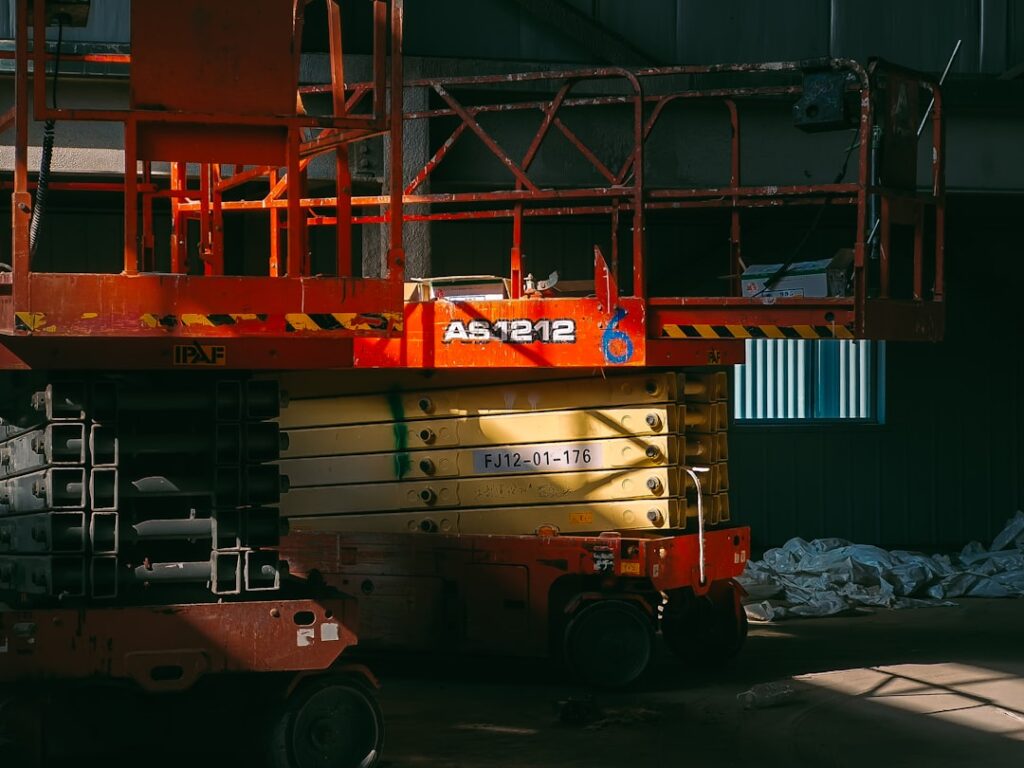
In a busy automotive shop, speed and safety are not optional, they are essential. Mechanics juggle tasks on everything from small passenger cars to heavier light-duty trucks, and the right equipment can make all the difference. The automotive double scissor lift is one of those tools that technicians rely on to raise vehicles safely and efficiently. Its design keeps the base compact without sacrificing vertical reach, making it perfect for jobs like brake checks or tire swaps where space is limited. The double scissor lift stands apart because it uses two pairs of scissor arms working together. This design boosts stability during lifting, reducing any wobble or risk of tipping. A mechanic working under a truck can trust that the lift will hold steady. Compared to single scissor lifts or some traditional two-post lifts, this setup handles heavier loads with less fuss. In practice, this means fewer interruptions and a safer workflow. Workshops with tight schedules appreciate how quickly this lift raises vehicles. Unlike some hydraulic lifts that take up more floor space and involve longer setup times, the double scissor lift slides easily into position. This helps mechanics move swiftly between different vehicles without having to rearrange the shop or wait for a lift to clear. Using this kind of equipment can shave minutes off each service, which adds up over a busy day. Adjustability is another key feature. Many double scissor lifts offer multiple height settings so they can handle a range of vehicle sizes, from sedans to light trucks. The hydraulic systems are designed for smooth, controlled motion, cutting down on jerky movements that wear parts prematurely. Shops notice this over time with reduced maintenance costs and fewer unexpected breakdowns. The controls on modern versions are straightforward enough for anyone on the team to use without special training. Safety locks engage automatically as the lift rises, preventing accidental drops while someone is underneath. It’s a simple but vital safeguard that addresses a common concern in fast-paced garages: making sure no one gets caught off guard during lifting. Durability counts in daily shop life. These lifts are built from thick steel components designed to resist wear from constant use and exposure to grease, dirt, and varying temperatures. Preventive maintenance routines typically include checking pivot points and hydraulic fluid levels to catch issues before they become serious. Experienced mechanics often keep a checklist nearby during inspections to avoid missing these small but important steps. For those deciding on equipment purchases, the choice isn’t just about capacity or footprint. Some assume all lifts perform similarly, but the double scissor lift offers specific advantages in space management and operational safety that other types don’t match easily. It’s worth reviewing service manuals and consulting team members who will use the lift daily to ensure it fits the shop’s workflow. Automotive technology keeps evolving, and lifts must keep pace with new vehicle designs and weights. Double scissor lifts have proven adaptable across various models and service needs. Staying current with maintenance schedules and operator training ensures shops get the most out of their investment. For more detailed guidance on selecting and maintaining lifts designed for light-duty vehicles, check out automotive double scissor lift options. Workshops aiming to improve efficiency while maintaining safety standards might also explore resources on vehicle service equipment advice. Understanding the practical benefits of different lift designs can prevent costly mistakes and keep mechanics focused on the job rather than equipment issues.