
Elevate Your Rooftop Experience
Imagine yourself on a rooftop in Manhattan, with the city’s skyline stretching out around you and the hum of traffic fading beneath. Rooftop bars and lounges have become go-to spots for New Yorkers looking to host events that stand out. These venues offer more than just views; they create a vibe that’s hard to replicate indoors, perfect for everything from small get-togethers to bigger celebrations. The mix of open air and cityscape sets the stage for events people actually remember. Space matters when planning a rooftop event. The best venues balance cozy lounge spots with open areas where guests can move freely. You want enough room for mingling without crowding, plus spots for dancing or casual chats. Some places even let you rearrange furniture to suit your event’s mood, whether it’s a laid-back cocktail hour or a formal reception. It’s common for hosts to walk through the floor plan in advance to check flow and guest comfort. Modern rooftops often come with built-in tech that makes a difference. Quality sound systems avoid the crackle you get from cheap setups, and adjustable lighting helps set the right tone. For example, dimming the lights during a speech or turning up colors for a dance party can change the energy instantly. Some venues offer dedicated AV staff on hand, which cuts down on last-minute headaches. Food and drink options should never be an afterthought. Many rooftop venues provide flexible catering packages that cater to allergies and diet choices, vegetarian, gluten-free, and vegan options included. It’s not unusual for hosts to bring in external caterers if they want a specific cuisine or presentation style. Confirming these details early can prevent mix-ups on the event day, like missing ingredients or delayed service. Weather is one factor you’ll want to plan around carefully. Summer evenings might be warm but can get windy or chilly after sunset. Spring and fall usually offer comfortable temps but can surprise with sudden rain showers. Winter events require heaters or partially enclosed areas to keep guests comfortable. Checking historical weather patterns and having contingency plans can save you from scrambling last minute. For those booking rooftop spaces in NYC, location within Manhattan matters too. Venues closer to subway stops or major transit hubs make it easier for guests to arrive on time, especially for corporate events where punctuality is expected. Parking availability and nearby taxi stands are practical points often overlooked until guests start asking questions. A quick site visit during rush hour can reveal hidden access issues. Daintree is an example of a rooftop venue offering flexibility and style. Their space adapts well whether you’re hosting an intimate wedding or a lively company party. They focus on creating atmospheres tailored to the event’s needs rather than forcing a one-size-fits-all layout. Clients often appreciate the staff’s attention to detail, like coordinating with vendors and managing setup times. Choosing a rooftop bar involves weighing logistics alongside guest experience. A well-organized event keeps people comfortable and engaged while letting the city views do their work. Take time to visit multiple venues, ask about specifics like sound checks and catering rules, and don’t hesitate to request a walkthrough during an actual event if possible. rooftop bar and lounge nyc provides numerous possibilities for unforgettable events. One last thing worth considering is how close your venue is to other Manhattan hotspots or accommodations. Guests coming from out of town will appreciate short cab rides or walking distance to hotels. That convenience can influence attendance more than you might expect. For planning help focused on event locations in NYC, check out manhattan event venue options.
Fire Watch Guards Ensure Safety Compliance
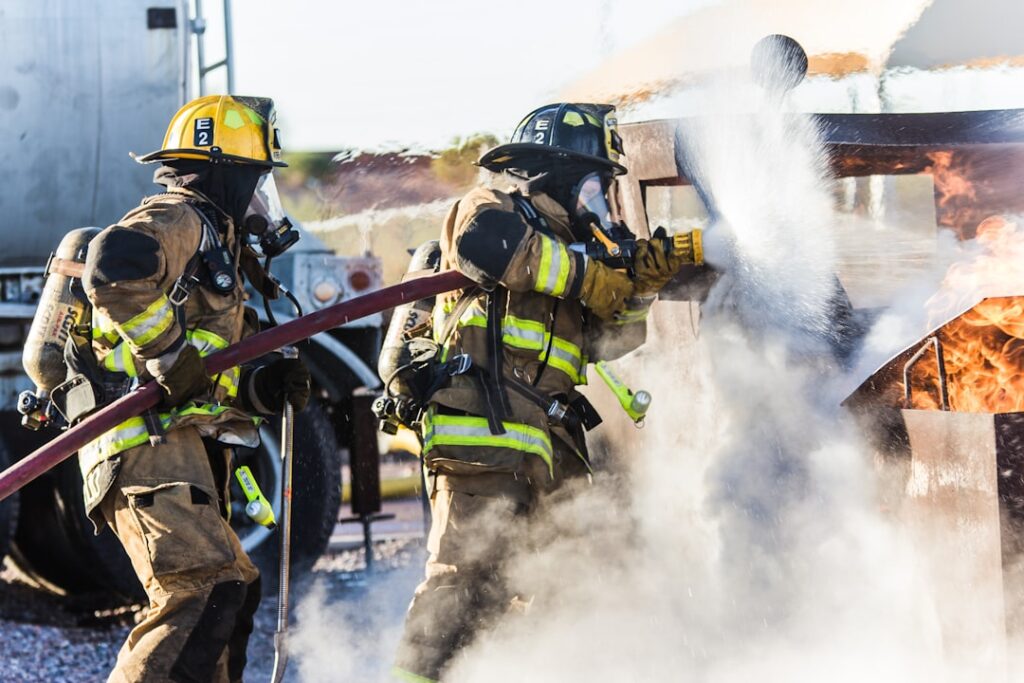
Running an active construction site means fire risks are always present. Heavy equipment, welding, and flammable materials create a volatile mix. Fire watch guards are there to cut down those risks. Their job is to patrol designated zones, spotting potential fire hazards before they ignite. They check that fire extinguishers and hoses are in place and working, and keep an eye out for anything unusual like overheating machinery or sparks where they shouldn’t be. They also log their rounds carefully in a fire watch logbook, a record that can prove vital for insurance or inspections. Consider a business doing after-hours renovations. Electrical tools and welding gear increase the chance of accidental fires. Fire watch guards stand ready to act fast. They’re trained not just to observe but to respond, knowing how to deploy extinguishers or fire blankets immediately if a flame breaks out. Their swift action can prevent a small spark from turning into a disaster. Communication is key. Guards often carry radios or cell phones to stay connected with local fire departments. If an incident occurs, they can alert firefighters instantly, speeding up response times. Regular updates with emergency responders help keep everyone informed about the site’s status, especially during risky operations. Training for these guards covers more than just spotting flames. They drill on evacuation procedures, fire prevention techniques, and operating various types of firefighting equipment. For example, if smoke appears near a welding project, the guard will first initiate evacuation and then attempt to suppress the fire if it is safe to do so. This combination of vigilance and readiness is what makes them effective. Places like community centers or houses of worship often host large groups where cooking or heating devices raise fire risks. Having a fire watch guard on site during events ensures any hazard is caught early. They know where to find emergency exits and how to guide people out calmly if needed. One practical detail many overlook is how guards manage documentation. They don’t just note incidents but also routine checks like ensuring fire doors aren’t blocked or that temporary wiring setups meet safety standards. This thoroughness helps avoid misunderstandings later on about who did what and when. Hiring fire watch guards may seem like an added expense, but it often saves businesses from far greater costs caused by fire damage or regulatory fines. Rates vary depending on location and service length, but many providers offer flexible options suitable for small businesses or large industrial sites. To explore how fire watch guards can protect your property and keep your operation compliant, visit that link. Taking these precautions shows responsibility towards your staff and visitors. If you want details on other types of security coverage, including mobile patrols and disaster response teams, check out fire safety monitoring services tailored to different needs.
Essential Indoor Cricket Nets for Practice

Rain can bring outdoor cricket training to a halt, but having indoor cricket nets changes the game. For schools and sports halls, these nets turn downtime into productive practice. They offer a controlled environment where players can work on batting, bowling, and fielding skills all year round, no matter the weather. Schools aiming to boost their physical education offerings or clubs wanting to support their members will find that investing in indoor nets encourages consistent training and keeps players engaged. Indoor cricket nets come in various types to fit different spaces and training goals. Some facilities install full netting systems that enclose large areas, creating a safe zone for multiple players to train simultaneously. Others prefer cricket bays, smaller setups tailored for focused drills like bowling or batting practice. The adaptability of these nets means they can be customized to fit gymnasiums or dedicated halls, making optimal use of available space without compromising safety. Experience shows that good quality indoor nets lift both training standards and participation. A secondary school reported a significant rise in cricket club membership after installing new nets indoors. Students felt safer and more motivated because the environment allowed them to practice without distractions or interruptions from weather. Having a reliable setup gives coaches confidence to run more frequent and varied sessions, which helps players develop faster. Coaches and facility managers often point out the importance of durability and safety features in modern netting systems. For example, tension cages are built into many nets to absorb impact, preventing damage during intense bowling or batting drills. These cages also reduce wear and tear on the nets themselves, which means less frequent replacements and lower maintenance costs. Investing in quality materials pays off over time by keeping practice areas functional and safe. Beyond the main nets, additional accessories add value. Bowler’s end protection nets shield against stray balls, which is especially important in multi-use sports halls where other activities might take place nearby. Storage bags designed for cricket nets help keep equipment organized and protect it from damage when not in use. Many facilities have learned the hard way that improper storage leads to frayed nets and costly repairs. Setting up an indoor cricket area often involves choosing the right playing surface as well. Roll-out cricket matting offers a practical solution by providing a realistic pitch that can be quickly laid down or removed as needed. This flexibility is crucial in shared spaces where flooring needs to serve multiple purposes. Combining quality matting with sturdy nets creates an environment where players can focus on technique without worrying about footing or space constraints. If you want to upgrade your sports hall, sports hall cricket nets should be considered a priority. They represent more than just equipment; they are an investment in player development and safety. Properly installed nets encourage regular practice sessions while minimizing risk of injury or damage to surrounding areas. For practical advice on setting up your indoor cricket area, visit indoor cricket training essentials. They offer useful insights on selecting the right products and maintaining them effectively. One tip many facilities follow is scheduling regular inspections of net tension and mat condition to catch any issues early before they disrupt training. Indoor cricket nets help create safe, accessible spaces that support skill growth throughout the year. Whether it’s a school gym or community sports hall, having the right setup makes a noticeable difference in player confidence and engagement. Staying current with advancements in netting materials and installation techniques ensures your facility remains effective and inviting for all levels of cricketer.