Projector Hire: Lighting Up Your Events
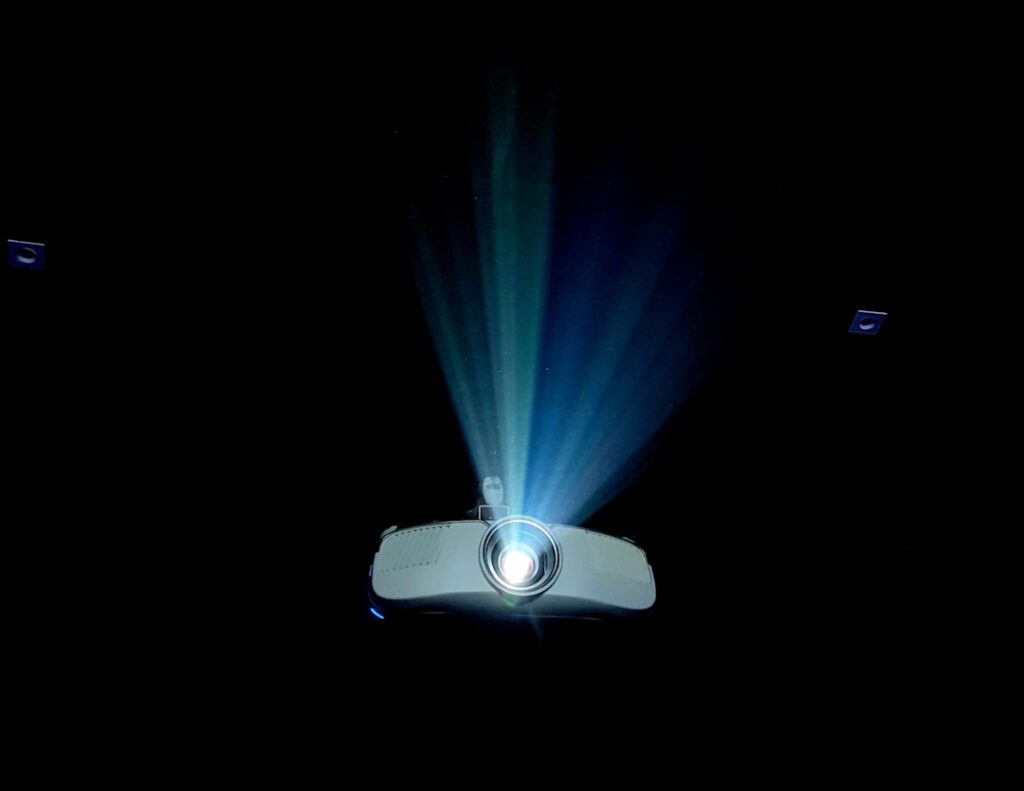
If you’re planning a corporate event in Parramatta, the clarity of your visuals will be a make-or-break factor. A blurry graph or pixelated video can kill engagement fast. Renting a projector tailored to your event’s needs can turn an ordinary meeting room into a focused presentation space that holds attention. It’s not just about having a projector; it’s about having the right one. Start by assessing the venue size and lighting. For small conference rooms with dimmed lights, a data projector usually works well. But if you’re dealing with a bigger room or an outdoor area where ambient light can’t be controlled, an LED projector with higher brightness is a smarter pick. Checking the lumen rating, which measures brightness, helps avoid washed-out images under bright conditions. Don’t overlook the throw distance either, the space between projector and screen affects image size and sharpness. Resolution matters more than many realise. If your presentation includes detailed charts or fine print, low-res projectors won’t cut it. A 1080p or higher resolution model ensures crisp images that participants can read without squinting. For training sessions where understanding visual detail is critical, this clarity supports better comprehension and interaction. Think about your content types too. Videos and slideshows demand different features than static images. Some events benefit from renting a visualiser, a device that projects physical documents or objects live. That’s handy for workshops or product demos where showing real items adds value. Choosing between a standard movie projector or one with advanced connectivity options depends on what you want to show and how interactive you want the session. Don’t hesitate to get advice from people who deal with projector hire regularly. They can point out details that aren’t obvious until setup day, like compatibility with your laptop or the availability of HDMI and VGA ports. You can find guidance through corporate event equipment hire parramatta. These specialists can help match equipment to your specific event, avoiding last-minute surprises. Supplementary gear is worth considering too. A decent screen makes a huge difference, some projectors don’t have built-in screens, and walls aren’t always suitable projection surfaces. Sound equipment is equally important, especially in larger rooms where voices need amplification for everyone to hear clearly. Testing the audio setup beforehand also prevents sound feedback or dead zones during your event. One practical habit is to do a full technical rehearsal a day or two before the event. Plug in all your devices, run through your presentation, and check sound levels. This catch-any-issues step saves stress on the event day and gives time to fix any connectivity glitches or equipment faults. It’s common for cables to be missing or adapters incompatible, so keeping spares handy is smart. Poor communication between event organisers and AV suppliers often leads to mismatched equipment or overlooked details like blackout curtains or power supply needs. Keeping a checklist that covers venue specs, projector capabilities, input types, and extras like remote controls or mounting hardware helps everyone stay on the same page. By paying attention to these practical points and working with knowledgeable providers, you can avoid common pitfalls and make your Parramatta corporate event more effective. Whether it’s a product launch or team workshop, having the right projection setup supports clear messaging and keeps your audience engaged. For more tailored options and advice, visit projector rental services in parramatta.
Navigating Employee Relations Training
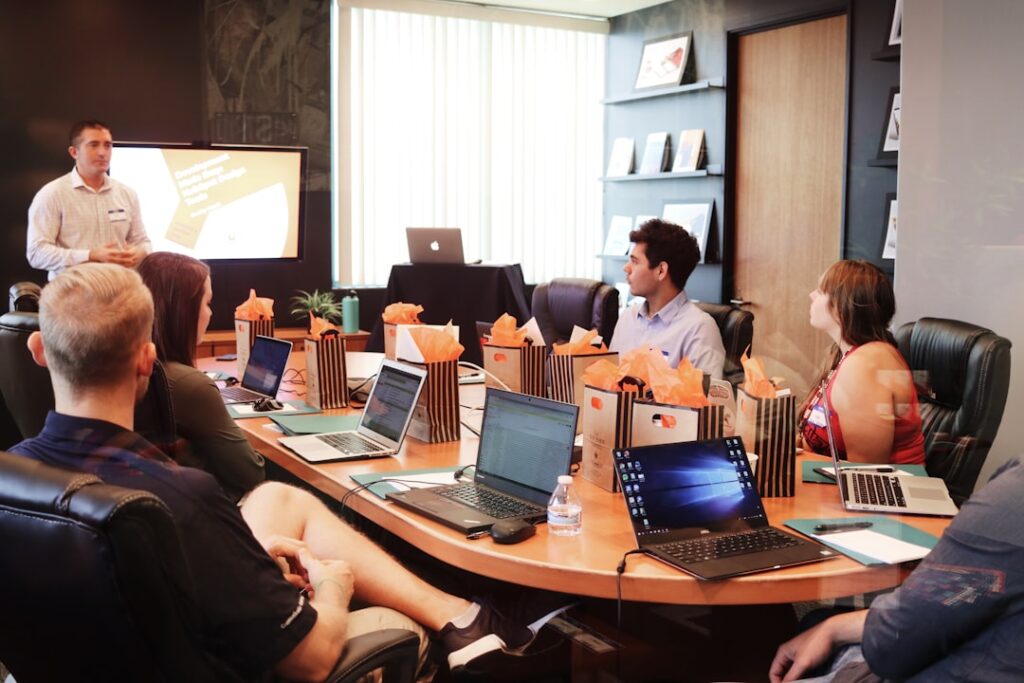
A manager in a busy office starts to notice rising tension among team members. Arguments about who does what and poor communication are happening more often. Without solid training in employee relations, small problems can spiral into conflicts that drag down morale and hurt productivity. Addressing these issues early requires more than just reacting; it means equipping managers with the right tools to handle everyday challenges effectively. One mistake companies often make is waiting until conflicts become big enough to disrupt work before stepping in. For example, departments may clash over responsibilities, leaving employees feeling ignored or unfairly treated. This can lead to higher turnover as people look for workplaces where they feel supported. Employee relations training can help managers spot warning signs like repeated complaints or withdrawal from team activities and intervene before things get worse. Good communication stands at the heart of healthy employee relations. Training sessions frequently include role-playing exercises where managers practice handling tough conversations with clarity and empathy. They learn to ask open-ended questions, listen without interrupting, and acknowledge emotions without escalating tensions. These skills not only ease day-to-day interactions but also build trust within teams. Understanding workplace laws is another key part of employee relations training. Managers often find themselves dealing with sensitive situations involving discrimination or harassment but may be unsure about the legal boundaries. Targeted training provides guidance on employment standards, anti-discrimination policies, and grievance procedures. This helps managers act confidently while protecting both employee rights and the organisation’s interests. Imagine an employee who feels they are being discriminated against but doesn’t know how to raise their concerns. Without clear reporting channels, they might stay silent or go directly to HR with frustration. Training helps companies develop transparent procedures for lodging complaints and ensures everyone knows their rights and available options. This clarity reduces fear and encourages open communication. Adelhelm Australia offers workshops designed to improve workplace relationships through practical industrial relations management techniques. Their sessions cover strategic alignment of company policies with employee needs to maintain harmony. They also provide tools like a free agreement audit, which lets businesses review current employment agreements for fairness and compliance with applicable laws. employee relations training is one way organisations can avoid costly misunderstandings and foster a positive culture. As workplaces evolve, so do negotiation demands between management and staff. Tactical bargaining workshops teach managers how to prepare thoroughly, frame discussions around mutual goals, and handle objections calmly. These skills empower leaders to advocate effectively for their teams while keeping organisational priorities in view. Such preparation makes bargaining less about confrontation and more about collaboration. The impact of solid employee relations training goes beyond fixing immediate problems. When staff feel genuinely heard and valued, they engage more deeply with their work, leading to fewer absences and lower turnover rates. Regular check-ins, clear documentation of expectations, and consistent follow-ups on issues all contribute to healthier workplace dynamics. Investing in conflict resolution strategies supports sustainable growth and a workforce that can adapt to change with resilience.