
Tummy Time Prop: A Practical Guide

If your baby fusses while lying on their back, you’re not alone. Babies need tummy time to build the muscles that help with head control and crawling. A tummy time prop can make this easier by offering support that encourages your infant to lift their head and engage with their environment. Using these props correctly can turn what feels like a struggle into a productive part of your daily routine. Choosing the right prop means paying attention to comfort and support. Many parents prefer pillows shaped to fit the baby’s body, giving gentle resistance that helps strengthen neck muscles without causing strain. Look for materials that are breathable and soft; organic cotton covers are a solid pick since they avoid harsh chemicals and reduce irritation risks. You’ll want a cover that stays secure during use but is also simple to remove for washing, babies are messy, and keeping things clean saves headaches. Some tummy time pillows come with interchangeable covers. This feature is handy if you want something that fits your nursery’s style or if you want to swap out covers as your baby grows. For example, a neutral beige yin yang design can blend in quietly, while a brightly patterned organic cotton cover adds a playful touch. Switching covers without buying new pillows can be a small but welcome convenience. Parents often ask how long tummy time should last. Early on, brief sessions of three to five minutes several times daily work best. As your baby gets more comfortable, gradually extend these periods. Props help by providing stability and encouraging longer focus since babies can see toys or faces more easily when supported. Keep an eye on your baby’s mood; forcing tummy time when they resist usually backfires. Besides building physical strength, tummy time boosts cognitive skills. When babies reach for toys nearby, they start to understand cause and effect , their actions lead to visible changes. Adding toys with different textures, colors, or sounds can enrich this experience and keep your infant interested longer. It’s common for parents to notice their baby paying more attention during tummy time when there’s variety in what they can explore. If you want to expand beyond just a tummy time pillow, consider activity mats or sensory toys designed for early development. These often feature multiple textures and sounds that attract your baby’s curiosity while supporting muscle growth. It’s helpful to rotate toys regularly to maintain engagement, since infants quickly lose interest in the same items. You can find a range of options at tummy time prop collections. Setting up a calm environment can also improve your baby’s willingness to participate. Soft lighting reduces overstimulation, and gentle music or family interaction can make tummy time feel less like a chore. Some parents find it useful to have a mirror nearby so babies can see themselves, adding another layer of interest. Switching props occasionally or introducing new toys helps keep the experience fresh. Tummy time is simple but foundational for your child’s growth. Using a supportive prop properly helps build muscles and coordination safely while stimulating brain development through play. Small details, like keeping covers clean, choosing the right materials, and varying toys, make a real difference in how your baby responds. For additional ideas on enriching your child’s playtime, visit baby development resources.
Discover Authentic Mexican Food in NYC

Walking through Midtown Manhattan, you might catch the smell of grilled meats and spices from a nearby taqueria. If you’re craving genuine Mexican flavors, New York City offers plenty of spots to satisfy that hunger. Whether you’re grabbing a quick lunch or planning a casual night out, options like street tacos, enchiladas, and margaritas are easy to find. Many places focus on fresh ingredients and traditional recipes, bringing the taste of Mexico right to your plate. The atmosphere matters just as much as the menu when choosing where to eat. A lively, informal setting can make your meal more enjoyable. Look for restaurants with a broad range of street tacos made from quality produce and meats. Pairing these with handcrafted cocktails adds depth to the experience. Some taquerias balance authenticity with a relaxed vibe that encourages lingering over food and conversation. Keep an eye out for special events that many Mexican eateries host. Happy hours often include deals on drinks and appetizers, making it easier to try new dishes without overspending. Themed nights, like Margarita Wednesday, offer chances to sample creative cocktails alongside traditional snacks. These events create a low-pressure environment to explore different tastes and find new favorites. Dietary needs are increasingly accommodated in Mexican restaurants. Vegan options have become common, offering dishes like jackfruit tacos or grilled vegetable quesadillas. These alternatives deliver bold flavors comparable to meat dishes, so everyone can enjoy the cuisine without compromise. Such inclusiveness encourages repeat visits from diverse groups and supports a welcoming atmosphere. Location plays a practical role in your choice too. Areas like Gramercy have several Mexican restaurants within walking distance, convenient for quick meals or relaxed dinners with friends. Many places also provide delivery services, which is handy if you prefer enjoying your meal at home or the office. Checking menus online beforehand helps avoid surprises, especially if you have specific preferences or allergies. If you want a restaurant that brings these qualities together, consider local favorites known for their adherence to traditional cooking methods and sourcing fresh ingredients locally. They often update their menus seasonally to keep things fresh and exciting. Staff usually know the dishes well and can recommend pairings or explain spice levels, which can prevent ordering mistakes and enhance the experience. Subscribing to email newsletters from your preferred spots is a practical way to stay informed about deals and events. Promotions like ‘Tacos for Days’ or discounts on certain weekdays pop up regularly, rewarding regular customers. This habit helps avoid missing out on offers that make dining more affordable while sampling a wide variety of Mexican cuisine. For those ready to explore this culinary scene, take time to visit different venues offering both classic and inventive dishes. The warmth of Mexican hospitality combined with vibrant flavors makes these meals memorable. Whether it’s the perfect salsa or creamy guacamole, there’s always something new to try. mexican food nyc is accessible throughout the city, waiting at every corner. Trying unfamiliar dishes can be rewarding. Don’t hesitate to ask servers for recommendations or explanations if you’re unsure about ingredients or spice levels. Small details like how a dish is prepared or which salsa complements it best can change everything. authentic mexican meals in nyc offer plenty of opportunities for culinary discovery.
Understanding the Datamatrix Reader
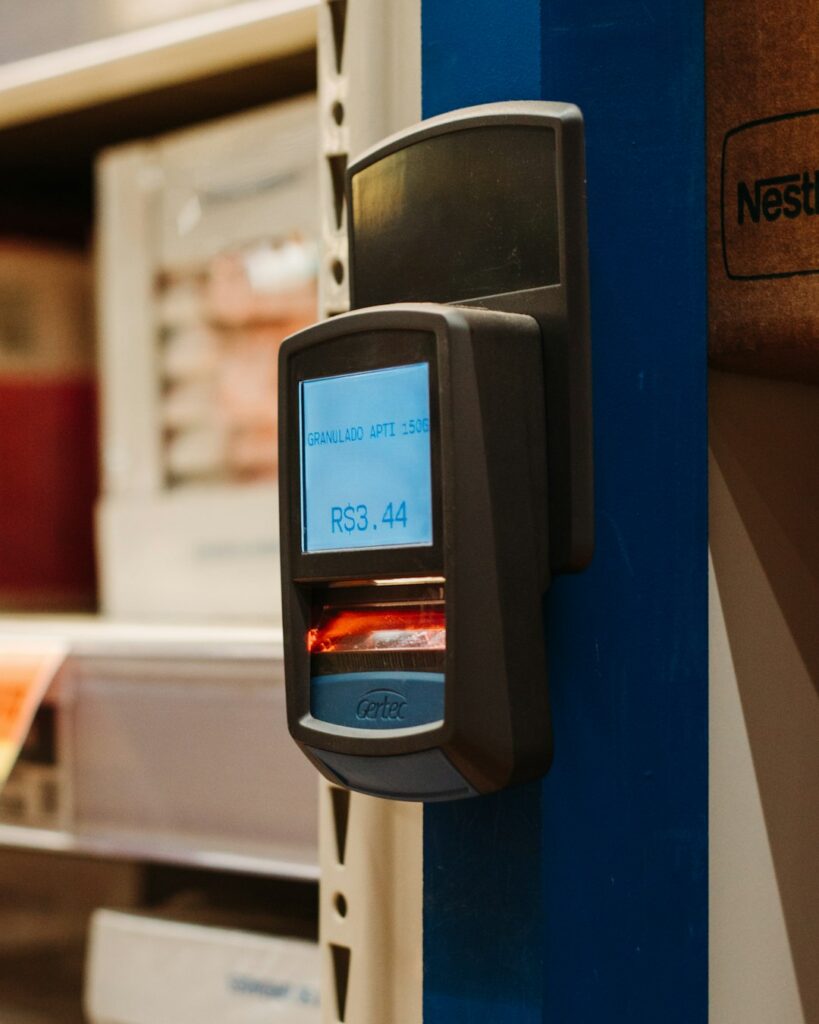
In busy hospital wards, nurses often juggle multiple tasks while trying to keep patient care on track. Scanning a patient’s medication quickly matters. A fast datamatrix reader cuts down the time spent verifying drugs, letting healthcare workers spend more time with patients. This technology reduces errors, too, since manual checking can lead to mistakes that affect patient safety. Nurses often double-check medication labels against patient charts, and a reliable reader ensures those details match instantly, preventing mix-ups. Manufacturing and retail sectors rely heavily on efficiency. A datamatrix reader can automate inventory updates, scanning products as they arrive at warehouses. This immediate data entry helps managers see stock levels in real-time, so they can reorder or shift supplies before shortages occur. On the floor, workers often scan items multiple times to confirm counts; a dependable reader cuts down on rescanning and errors caused by damaged codes. Retail checkout has changed with technology advancing customer expectations. Self-service kiosks equipped with barcode scanners let shoppers scan items themselves, speeding up lines. Customers appreciate getting through quickly without waiting for staff, while employees get freed up to help elsewhere. Many stores notice fewer complaints about slow checkouts after installing these scanners. The flexibility to read both printed labels and smartphone screens is vital since many shoppers use digital coupons or mobile payments. Logistics depends on precise tracking from warehouse to delivery. Using advanced datamatrix readers means packages are scanned at every checkpoint, reducing lost shipments. Companies can trace items’ locations accurately, which helps with accountability and customer communication. Drivers scanning parcels before loading avoid misplacement issues common in hectic delivery schedules. This process also simplifies audits by providing clear records showing when and where each package was handled. The DT-90F single tube reader stands out for its compact design combined with fast scanning capabilities. It handles various code types well, making it suitable for tight spaces where bulky devices won’t fit. In healthcare, the DT-90 medical tool reader is built to meet strict regulations, capturing data reliably without slowing workflows. Medical staff often face pressure to record device usage accurately; this reader helps maintain compliance without adding complexity. Retailers wanting adaptability appreciate the DT-80 Self-Service POS Kiosk Barcode Scanner. It reads barcodes both on paper and mobile devices, aligning with how customers shop today. Smartphone payments and digital price labels are becoming standard, so having a scanner that reads both formats avoids costly system overhauls. Store managers often note smoother transactions and fewer scanning errors with this kind of versatile tool. Investing in a datamatrix reader can improve accuracy and speed across different business functions. As automation increases, tools that handle multiple barcode formats help keep operations steady and data reliable. For example, warehouse staff trained to verify scans against packing slips reduce errors before shipping. Using barcode scanning for mobile and printed codes enhances productivity and data integrity. Devices designed to read both 1D and 2D codes simplify processes by eliminating the need for separate scanners. It’s common to see mismatches when systems rely on outdated equipment; upgrading helps avoid delays caused by rescanning or manual entry corrections. Overall, datamatrix readers provide tangible benefits in speed, accuracy, and workflow efficiency across healthcare, logistics, retail, and manufacturing environments. Practical habits like regular device maintenance and staff training on scanning techniques also play a key role in minimizing downtime and ensuring smooth operations. datamatrix reader barcode scanning for mobile and printed
Enhance Performance with Sports Physio

Picture a weekend footballer who twists an ankle during a game. Instead of booking a session with a physiotherapist, they choose to rest and hope it improves. That decision can backfire. Without proper assessment and treatment, the injury may worsen or take longer to heal. A sports physiotherapist can assess the injury immediately using hands-on techniques and guide the right exercises to speed recovery and prevent setbacks. Sports physiotherapy targets injuries common among athletes and active people. Techniques include manual therapy, tailored exercise plans, and advice on avoiding injury recurrence. These therapists understand how the body moves under stress and design programs based on individual biomechanics, not just generic routines. This approach helps fix injuries while improving an athlete’s overall movement efficiency. Think of a runner prepping for a marathon who ignores slight knee pain. Pushing through without evaluation can cause lingering issues or more serious damage. A sports physio would analyze their running style, looking for gait problems or muscle imbalances that add strain to the knee. Simple adjustments in form or strengthening weak muscles can ease discomfort and boost endurance. A key part of sports physiotherapy is biomechanical assessment. This involves checking how an athlete moves and spotting weak spots or asymmetries that raise injury risk. For example, uneven hip strength or poor ankle mobility might cause compensations elsewhere. Based on findings, the physio creates a personalized strength and conditioning plan targeting those deficits, helping build resilience and better performance. Rehabilitation exercises are not just basic stretches or reps. They’re carefully selected to restore range of motion, rebuild muscle strength, and improve joint stability after injury. Take an ankle sprain: rehab will include balance drills, progressive loading exercises, and flexibility work to ensure the joint regains function and reduces chances of future sprains. Education is equally important. Athletes learn practical warm-up routines that prep muscles properly, cooldowns that aid recovery, and how to recognize early warning signs from their bodies before minor aches become major problems. A small but common mistake is skipping warm-ups due to time pressure, which often leads to preventable strains. Understanding these habits helps athletes stay healthier longer. For those wanting tailored guidance, sports physio cheltenham provides expert care suited to all skill levels. Visiting a sports physiotherapist isn’t only for when injuries strike. Many athletes schedule regular check-ins to catch developing issues early. These sessions often include movement screenings and strength tests that highlight areas needing attention before pain or injury appear. Maintaining this routine supports consistent training and peak physical condition throughout the season. In practice, physiotherapists document each session thoroughly, tracking progress and adjusting programs as needed. Communication between athlete and therapist reduces misunderstandings about pain levels or exercise difficulty, which can affect recovery quality. Building this partnership creates trust, encouraging athletes to follow through with recommendations even when motivation dips. Overall, sports physiotherapy blends hands-on treatment with practical education and personalized training plans. Whether recovering from injury or looking to improve performance safely, engaging with a skilled physio can make a tangible difference in athletic outcomes. For ongoing support in maintaining physical health during intense training periods, visit injury prevention strategies for athletes.
Waterproofing Solutions For Pool Owners

On a hot summer day, the last thing you want is to find your pool leaking or damp spots around the deck. Pool owners sometimes overlook waterproofing, which can lead to expensive repairs and structural damage over time. Moisture seeping into cracks may also cause mold growth, creating health risks and unpleasant odors. Keeping your pool watertight protects both the structure and your enjoyment of it. A practical way to handle waterproofing is with a liquid rubber membrane. This product works on surfaces like concrete, wood, and even underwater areas such as pools and fountains. Its flexibility and strong adhesion make it suitable for different environments. Plus, the application process is simple enough for many DIY projects, saving you the cost of hiring a contractor. Coverage is an important detail to plan for. Typically, one pint of liquid membrane covers a specific square footage, but surfaces vary in texture and porosity. Using a coverage calculator can help you estimate how much material you need accurately. This prevents buying too much or running out mid-job, which can disrupt drying times and affect the finish. Proper preparation makes a big difference in success. Start by cleaning the surface thoroughly , dirt, oils, or loose material can prevent the membrane from sticking properly. Next, fill any cracks or gaps with an appropriate sealant before applying the membrane. Skipping these steps often leads to leaks reappearing later. Applying the membrane with a brush or roller in even coats ensures full coverage and good waterproofing. For those less confident about the process, detailed guides are available that walk you through each step. These resources cover everything from surface prep to drying times and curing conditions. Whether you’re sealing a new pool or fixing an old one, following these instructions can save time and avoid costly mistakes. Comparing products before buying helps too. Look at drying times; some membranes cure faster than others, which might suit your schedule better. Flexibility matters as well , pools experience movement and temperature changes, so a membrane that stays elastic will last longer. Durability under sun exposure and resistance to chemicals like chlorine are other key factors. Staying updated with maintenance tips can extend your pool’s life significantly. Newsletters from industry sites often share practical advice on waterproofing upkeep and new materials entering the market. Checking these out regularly keeps you informed about simple habits that prevent damage, like inspecting seals seasonally or avoiding harsh cleaning agents. Investing in quality swimming pool waterproofing protects your property and enhances your outdoor time. Pools require ongoing care; neglecting waterproofing leads to bigger problems down the road. Remember to test small areas before full application and maintain a clean workspace to avoid debris sticking to wet membrane layers. For more detailed product information and updates on pool care, visit pool maintenance advice online. It’s a handy resource for practical tips and product reviews that help you keep your pool in top shape year-round.