
Effective Bunion Treatment in Inner West

If you have a bunion, you know how much it can disrupt your day. Walking becomes uncomfortable, and finding shoes that don’t aggravate the bump near your big toe joint is a struggle. In the Inner West, where fashion often trumps fit, many people end up with painful bunions from wearing narrow or tight footwear. Bunions form because of pressure and often have a genetic element too. Spotting what triggers your bunion pain early on can save you unnecessary discomfort down the line. Ignoring bunion pain is common but shortsighted. Some keep wearing the same shoes that squeeze their toes, hoping the pain will fade. It rarely does. Instead, inflammation builds, making walking painful and limiting your mobility. A hands-off approach risks the problem worsening. Starting treatment early, such as physiotherapy, can ease symptoms before they become severe. Physiotherapy targets the root by strengthening foot muscles and improving how your toes align. A physiotherapist will guide you through exercises designed for your specific foot type and bunion severity. They may also use manual therapy to ease tightness in surrounding tissues and reduce pain. Keeping your foot flexible and strong helps reduce pressure on the bunion and can slow its progression. Choosing the right shoes is a simple but often overlooked step. Shoes with a wide toe box give your toes room to spread naturally and reduce pressure on the bunion. Replace narrow, pointed shoes with ones that prioritize support and comfort over style. Even subtle changes, like avoiding high heels or stiff soles, can make daily walking less painful. Relying solely on over-the-counter painkillers is a trap. They mask discomfort temporarily but do not fix what’s wrong. A proper evaluation might include gait analysis to see how your foot moves when you walk. Custom orthotics can then be crafted to redistribute weight away from the bunion, easing stress on that joint during movement. Orthotics are especially useful if your bunion is causing uneven leg alignment or knee strain. If you want targeted care, check out bunion treatment inner west. The team there develops personalised plans that balance symptom relief with preventing further damage. They pay attention to details like how your foot functions during different activities and adjust your care as needed. Exercise physiology is another tool worth considering. This approach focuses on exercises that boost stability and mobility in both feet and legs. An exercise physiologist can recommend movements that complement physiotherapy and help avoid future injuries. Many patients find that strengthening their lower limbs reduces the overall strain on their feet. Dealing with bunions requires more than just treating pain or buying new shoes. It calls for a strategy tailored to your lifestyle and foot mechanics. Talking with healthcare providers experienced in foot health will give you clearer options for managing your condition effectively. For more information about treatments available locally, visit foot care advice inner west to explore approaches suited to you.
Understanding Natural Fertility in Geelong

A couple in Geelong might spend months trying to conceive, only to feel stuck and unsure of the next step. They’re bombarded with options, medical treatments, lifestyle changes, supplements, and it’s easy to get lost. Fertility isn’t just about medical fixes; it involves the body’s natural rhythms and health. Naturopathy offers a practical approach that works with these natural processes. Instead of jumping straight to interventions like IVF, couples can explore dietary tweaks, herbal support, and stress management that support fertility gently but effectively. Hormonal balance is a cornerstone of natural fertility. For women, irregular cycles or missed ovulation often signal a hormonal glitch. A naturopath will assess factors like thyroid function, insulin resistance, or adrenal health, which can all throw off hormones. Treatments might include specific herbs such as vitex or lifestyle modifications like improved sleep hygiene. Men also benefit from focused attention; sperm quality responds to antioxidants found in foods like nuts and berries, alongside reducing exposure to toxins such as excessive caffeine or alcohol. Simple changes like these can set the stage for conception without invasive procedures. When couples do turn to IVF, naturopathy doesn’t take a back seat. Acupuncture sessions timed around embryo transfer can calm the nervous system and improve blood flow to the uterus. Nutritional counseling ensures the body is prepared for the demands of treatment. Stress reduction techniques are critical, chronic stress can hinder implantation and hormone function. Patients often report feeling more in control when they combine conventional fertility treatments with natural methods. Clinics in Geelong sometimes work alongside naturopaths to offer this integrated care. The care doesn’t stop after pregnancy is confirmed. Postnatal recovery is a phase where many mothers struggle silently with exhaustion, mood shifts, and breastfeeding challenges. Naturopaths tailor herbal formulas to support lactation and replenish depleted nutrients like iron and B vitamins. Gentle physical therapies can ease muscle tension after delivery. Practical advice on sleep strategies for new parents helps prevent burnout during those exhausting first months. Pregnancy itself benefits from ongoing natural care beyond standard prenatal vitamins. Regular check-ins with a naturopath monitor nutrient levels and adjust diet plans as the body’s needs shift through each trimester. Mindfulness exercises or gentle yoga can reduce anxiety and prepare the mind and body for labour. A naturopath might also recommend safe herbal teas or supplements that support digestion and energy without risking harm to mother or baby. Understanding what naturopathic consultations cost is helpful for planning. Fees vary based on the practitioner’s experience and services offered, but many provide an initial consultation at a discounted rate or even free to discuss your situation without pressure. It’s common for clients to bring along previous test results or medical histories to avoid repeating diagnostics unnecessarily. This practical step saves time and money while creating a clear baseline for treatment. Exploring natural fertility geelong uncovers a range of approaches aimed at supporting the whole person rather than just the reproductive system. The goal is to build resilience in the body so conception happens naturally when conditions are right. More couples in Geelong are combining traditional medicine with natural therapies, reflecting a shift toward personalizing fertility care. Those interested in additional information might find helpful resources on fertility support options geelong. With thoughtful guidance and attention to detail, growing a family feels less daunting and more within reach.
Window Dressing for Patio Doors
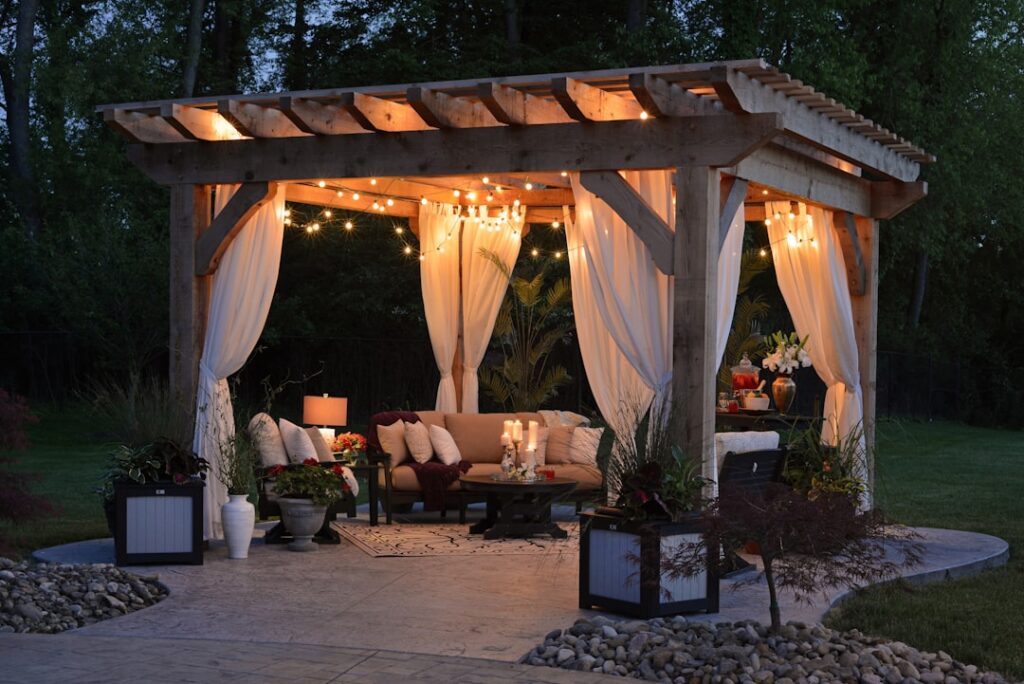
Looking out through patio doors can sometimes mean dealing with harsh sunlight or unwanted views from outside. Choosing the right window dressing for patio doors solves this problem neatly, blending style with practicality. Effective coverings improve your home’s look while managing light and temperature. It’s easy to overlook the importance of good fittings, but they can make or break the comfort of a room. Shutters are a solid option for patio doors, especially those crafted from wood, vinyl, or composites. Their adjustable slats allow precise control over sunlight and privacy, which is handy if you work from home or host meetings regularly. For example, plantation shutters are a favorite because they can be tilted to soften glare without darkening the room completely. Plus, they add a timeless feel that suits many interior styles. Just remember that proper measurement is key, shutters that don’t fit well end up frustrating users and can let in drafts. Blinds offer a wide array of choices in fabrics and designs. Roller blinds provide a clean, minimal look and are easy to operate, while vertical blinds suit larger openings and offer smooth movement when opening the doors. A restaurant owner might choose vertical blinds to control outdoor glare during evening hours without blocking access to the outdoors. When fitting blinds, use brackets designed for heavy-duty use since patio doors get frequent handling and exposure to wind. Also, consider how the blind’s fabric holds up to sunlight; some materials fade quickly if not UV-resistant. Awnings provide an effective exterior solution by blocking direct sunlight before it hits your glass doors. They help keep indoor temperatures down on hot days and reduce air conditioning costs. Choosing an awning that complements your building’s style adds curb appeal too. For cafes with outdoor seating, awnings create shaded spots without cutting off the view. It’s worth checking local regulations about awning installation height and projection to avoid issues later. Curtains remain a versatile choice for patio doors. Sheer curtains allow daylight in while softening views from outside, which is great for daytime use. Heavier drapes offer insulation against cold weather and enhance privacy at night. Many homeowners switch between sheer and thick curtains depending on the season and time of day. To avoid curtain fabric dragging on the floor, a common annoyance, measure carefully and consider curtain weights or tiebacks to keep them tidy. Visiting showrooms or consulting with window treatment specialists can clarify what fits your space best. Professionals often take detailed measurements, ensuring the coverings operate smoothly without interfering with door handles or locks. They might also recommend motorized options for hard-to-reach doors. These consultations usually reveal options you hadn’t considered and prevent costly mistakes like ordering the wrong size or style. Energy efficiency is another factor worth considering. Materials with thermal backing or insulating properties help regulate indoor temperatures better, reducing heating bills in winter and cooling costs in summer. Look for products rated for energy efficiency to get reliable results. A practical tip: check how well window dressings seal around the edges since gaps can undermine insulation efforts dramatically. Finding the right window dressing for patio doors means balancing aesthetics with function. The goal is to create a space that feels inviting without sacrificing comfort or privacy. Whether you prefer shutters, blinds, awnings, or curtains, test samples in your home’s lighting before committing. That way, you avoid surprises once everything is installed. If you’re unsure about styles or materials, contact suppliers offering custom window treatments advice. They can guide you based on your home’s architecture and your daily routines. The right window dressing not only enhances your living or working environment but also adds value over time.