
Understanding ACL Injury Rehabilitation
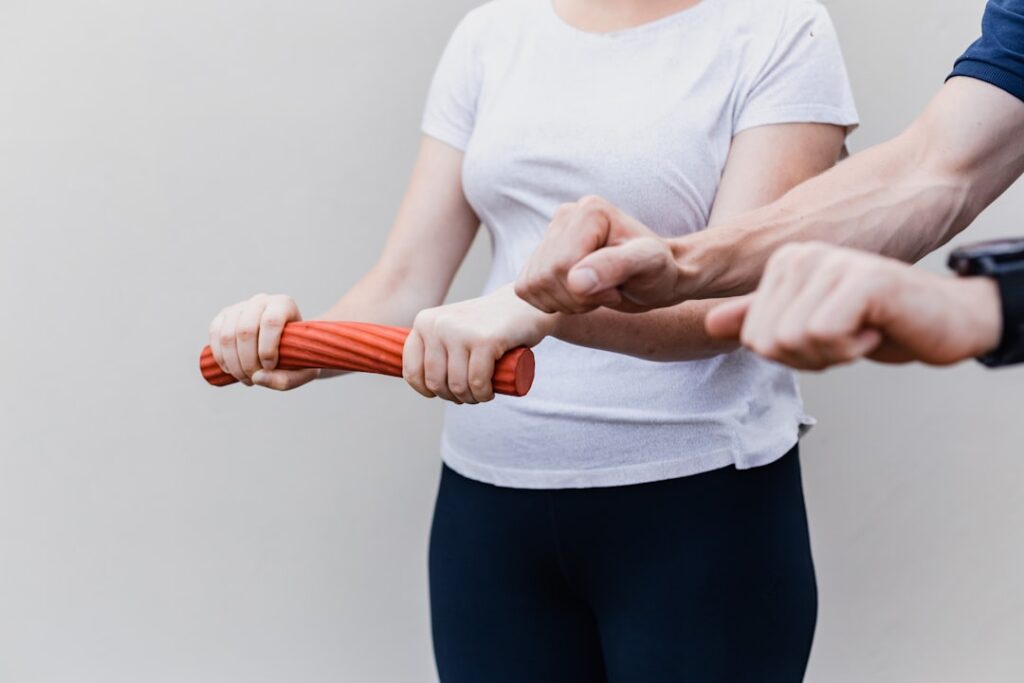
Picture a dedicated amateur footballer who suddenly feels a sharp snap in their knee during play. Often, this is accompanied by a loud pop, a classic sign of an anterior cruciate ligament (ACL) injury. These injuries frequently occur in sports requiring sudden stops and quick direction changes. Right after the injury, confusion about the next steps is common. Many assume resting until pain fades is enough, but that’s a mistake. Without proper rehab, the knee remains vulnerable to further damage. Initially, the player might take a break from activity, hoping the pain eases on its own. However, this ignores the need for a structured physiotherapy program focused on rebuilding knee strength and stability. A tailored plan helps restore function and boosts confidence, which is often overlooked. Physiotherapists don’t just treat symptoms; they evaluate each patient’s movement patterns, muscle imbalances, and psychological readiness to return to sport. A typical rehab program for ACL injuries involves targeted strength training, stretching to maintain flexibility, and proprioception drills. For example, therapists often use balance boards or foam pads to challenge the patient’s coordination. These exercises improve proprioception, the body’s ability to sense joint position and movement, which is key for preventing future injuries. Patients also learn about biomechanics to adjust how they move during activities like running or jumping, reducing strain on the knee. Rushing back into sport without adequate rehab is a major pitfall. Players may feel physically ready but lack the muscular support required around the knee. This gap can cause setbacks or even repeat injuries. Skilled therapists use progressive loading, gradually increasing exercise difficulty based on how the patient responds. This stepwise approach ensures that tissues heal properly while building resilience. Physiotherapy isn’t just about physical recovery; it includes managing pain and improving mobility through hands-on techniques like manual therapy. Therapists often teach patients how to adjust their exercises or daily activities to control discomfort. This practical self-management advice helps maintain progress outside clinical visits and reduces unnecessary flare-ups. Psychological factors also influence recovery. Fear of re-injury can linger long after the knee feels strong, affecting performance and confidence. Incorporating mental skills training into rehabilitation helps patients develop coping strategies and mental resilience. Addressing these concerns openly can prevent hesitation and improve outcomes when returning to competitive play. If you’re exploring treatment options for ACL injury, working with physiotherapists who specialize in musculoskeletal care is vital. They offer expert guidance tailored to your specific condition and goals. For support with your rehab, consider acl injury physiotherapy, which focuses on restoring function and empowering patients. For those unable to attend in person due to distance or other reasons, many clinics provide remote consultations for international patients. This expands access to personalised advice and rehab plans regardless of location. To find out more about these services, visit remote acl rehabilitation options.
Home Accessories for Stylish Spaces
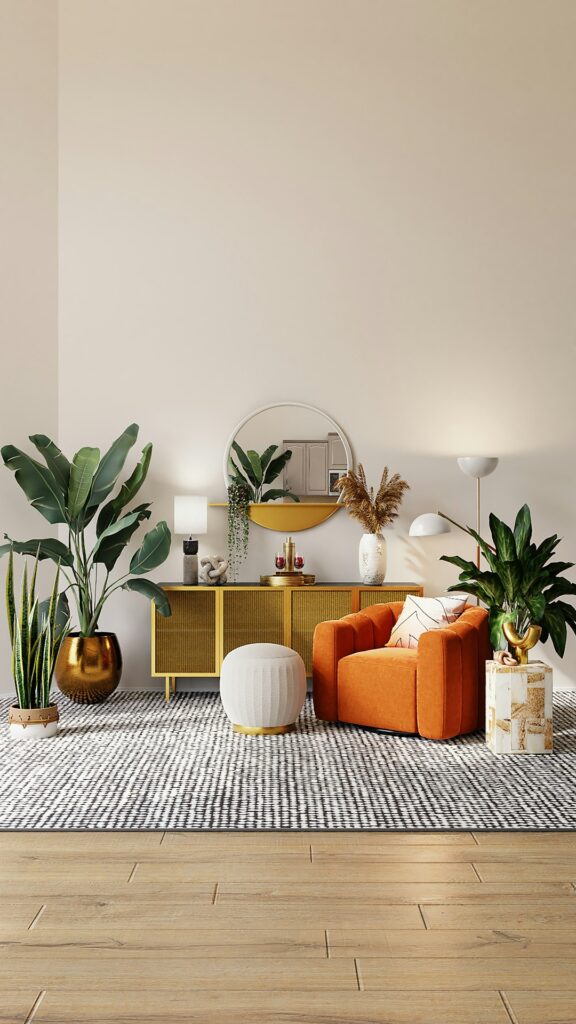
Walk into a home that feels inviting and unmistakably personal. The secret often lies in the small details, a carefully selected handle or a unique hook can change the entire mood of a room. People often focus on large furniture pieces, forgetting that minor architectural elements like cabinet knobs or door pulls carry weight in defining style. These details influence how a space feels and functions, yet they are easy to overlook during renovations or decorating. Accessories aren’t just about looks. Functional hardware such as handles, knobs, and lip pulls improve usability while adding character. Installing matte black pulls on kitchen cabinets, for example, offers grip and durability but also introduces contrast that lifts a plain kitchen. When fitting hardware, test how it feels in hand; a handle that’s uncomfortable doesn’t just irritate users but disrupts flow, leading to frustration and sometimes replacement. Matching every accessory perfectly is not mandatory. Mixing finishes and textures can bring depth and personality to your space. Picture a mid-century modern sofa paired with brass cabinet knobs shaped like vintage keys, this contrast tells a story. It’s common for clients to worry about clashing styles, yet thoughtful variation breathes life into rooms. Keep samples of finishes and materials side by side during selection to avoid surprises when installed. Bathrooms often get minimal attention beyond fixtures, but unique hardware can transform them from utilitarian to refined. Custom towel hooks or hand-forged cabinet handles add a layer of craftsmanship that elevates an otherwise basic bathroom. Many homeowners don’t realize how much these small elements affect the atmosphere. Before choosing accessories for wet areas, consider corrosion resistance and maintenance to ensure longevity. Material choice impacts more than appearance; it affects the room’s feel. Natural woods bring warmth and subtle texture, while metals like brushed nickel offer coolness with a contemporary edge. Stone accents add heft and grounding presence. Lighting interacts differently with these materials, so try viewing samples under your home’s typical lighting to see how shadows and reflections play out before committing. For those sourcing inspiration or specific items, browsing curated collections focused on home accessories can reveal options that resonate with your style. Seeing pieces in context helps avoid impulse buys that later feel misplaced. A practical habit is to photograph your space and keep measurements handy during shopping trips or consultations, this saves time and prevents costly mistakes. Interior design businesses need to keep pulse on trends without chasing fleeting fads. Offering clients unique hardware options such as handcrafted knobs or architectural elements can differentiate a service. Clients appreciate when designers understand their lifestyle needs alongside aesthetics. Detailed consultations often uncover preferences or habits that guide more successful selections, like choosing easy-to-clean finishes for families with children. Displaying accessories in showroom vignettes gives customers tangible examples of how small changes can make big differences. Arranging various hardware styles with complementary decor invites buyers to visualize those items at home. Encouraging interaction with the products can build confidence in purchases and reduce hesitation caused by abstract descriptions. Understanding the role of home accessories opens up many possibilities for creating spaces that feel finished and authentic. Whether through careful curation or professional advice, paying attention to these smaller components ensures a cohesive design that works practically as well as stylistically. Explore options at hardware ideas for stylish interiors for inspiration tailored to your taste.