
Find the Right Workwear for You
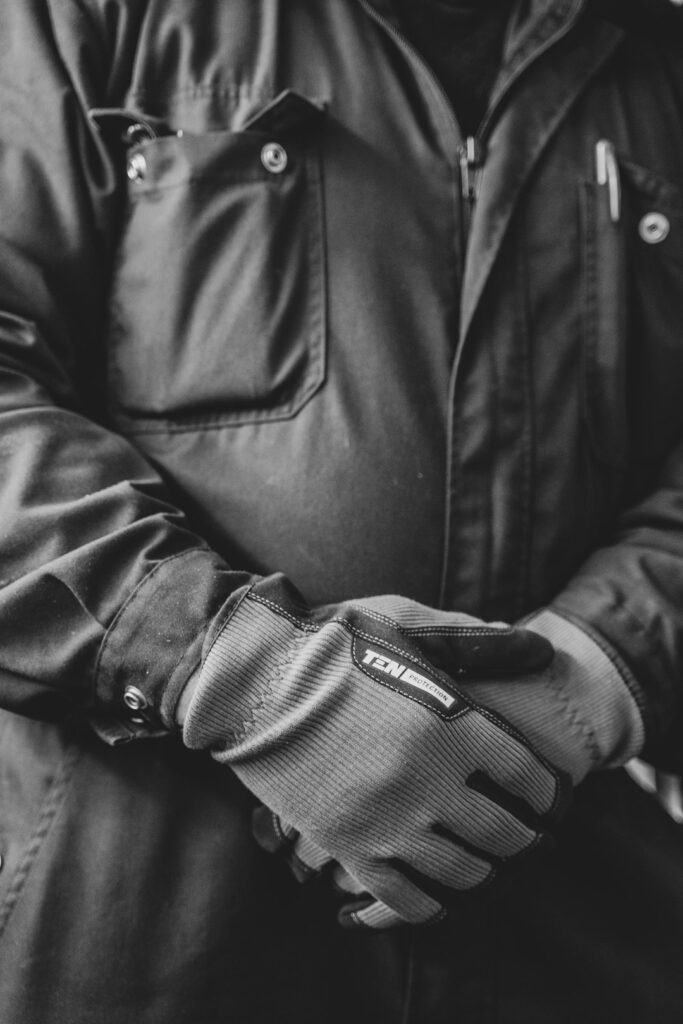
Imagine the rush inside a restaurant kitchen during dinner service. Chefs juggle pots and pans, servers dart between tables, and everyone needs gear that can keep up without getting in the way. Workwear in this environment has to stand up to heat, stains, and constant movement while keeping staff comfortable through long shifts. Well-chosen uniforms help employees stay focused and motivated, cutting down distractions that slow down service. Comfort, durability, and practicality must guide fabric choices. Breathable cotton blends are a solid pick, they let air circulate and handle wear better than pure cotton alone. Reinforced stitching prevents tears where stress is highest, like under the arms or at seams, and stain-resistant treatments keep clothes looking sharp longer. These small details save a lot of headaches and replacement costs over time. It’s common for kitchens to keep a few extra sets on hand for quick changes during busy nights or when spills happen. Leasing workwear instead of buying outright is an option many businesses consider. Rental programs usually cover cleaning and repairs, so uniforms remain clean and professional without extra effort from staff. This arrangement helps restaurants avoid large upfront expenses and keeps everyone presentable even during unexpected rushes. A typical contract will include scheduled pickups to swap out dirty items for fresh ones, which prevents uniforms from piling up or degrading in quality. Different workplaces have different needs. In cleanroom settings, garments must meet strict contamination controls, often requiring special materials that don’t shed fibers or trap particles. Hospitality uniforms blend style with function, waitstaff need pockets for order pads and ease of movement while maintaining a polished look. Mechanics face grease and grime daily, so their clothes must resist stains and tears but remain flexible enough to crouch or stretch without ripping. Hotels with multiple dining venues frequently opt for distinct uniforms tailored to each setting’s vibe. Fine dining staff might wear crisp, tailored shirts with subtle branding, while casual cafes favor breathable polos or aprons that support a more relaxed atmosphere. Uniform variety also helps guests instantly identify staff roles across different locations. Behind the scenes, managers often keep detailed uniform inventories to track sizes and replacements, preventing last-minute shortages. Safety is another key factor in workwear selection. In labs or medical research facilities, clothing acts as a barrier against chemicals or biological hazards. Garments often feature reinforced cuffs and closures designed to reduce exposure risks without limiting dexterity. Staff training typically includes instructions on how to properly don and doff protective attire to avoid contamination or accidental contact with dangerous substances. Maintaining consistent standards across branches is a challenge for larger companies like Rectory Manor or Warren Estate. Uniform policies help reinforce brand identity and ensure customers recognize staff no matter which location they visit. Regular audits of employee attire catch deviations early before they affect the company’s image. Employees also report feeling more professional when their appearance matches across sites, which can improve morale and reduce turnover. Investing in quality restaurant workwear goes beyond aesthetics, it supports an efficient workplace where employees feel equipped to handle their duties with confidence. Providing appropriate gear reduces distractions caused by discomfort or unsuitable clothing. Simple habits like checking uniforms for damage during shift changes or labeling personal items prevent mix-ups and keep operations running smoothly. If you want a closer look at how different industries manage their apparel needs, check out work apparel for hospitality. It offers practical examples from various sectors that may inspire solutions fitting your own business.