Navigating Remote Learning for Busy Professionals

For professionals balancing tight schedules, finding time for skill development can feel impossible. Take a business owner with back-to-back meetings and looming deadlines; attending fixed coaching sessions often slips off their radar. Remote learning offers a practical alternative, letting people access courses when it suits them best. It’s about fitting education into life, not the other way around. Flexibility is the main draw here. Instead of booking time off or rearranging meetings, learners can study during odd hours, maybe catching up on recorded lectures over lunch or late at night. A manager might review key concepts during a commute or between calls. This approach respects the pressure professionals face while supporting steady progress. Courses designed for remote learners usually come with rich resources. Expect detailed guides, interactive elements, and videos tailored to different learning habits. For someone grappling with dense regulations, breaking down material into clear, bite-sized lessons makes a difference. It’s common to see executives bookmarking sections and jotting notes to revisit later, small habits that stop rework and boost retention. Privacy is another reason remote options appeal. Professionals often hesitate to attend in-person classes if they worry about peers or supervisors noticing. Remote learning lets them explore new skills quietly, without spotlight or speculation. An executive experimenting with unfamiliar areas can maintain discretion while still progressing. Travel and unpredictable commitments also disrupt regular coaching attendance. Remote materials provide a fallback, a digital library accessible anytime. Even when away from the office, executives can stay connected to their learning path. Many rely on setting calendar reminders for study blocks, preventing the common pitfall of postponing sessions indefinitely. Smaller class sizes online mean more direct interaction. Groups of five to fifteen allow for meaningful discussions and personalized feedback. That’s vital for professionals who benefit from peer perspectives facing similar challenges. Clear communication during virtual sessions helps avoid misunderstandings that often arise in email-only exchanges. Typical course formats span several weeks, with two-hour sessions spaced out to allow thorough digestion of content. Tutors share real-world examples that resonate with participants’ day-to-day roles, not just theory. This pacing lets learners absorb material without sacrificing work responsibilities. Remote learning continues evolving as an option for career development without forcing compromises on current duties or privacy. For a closer look at how this flexible setup fits professional needs, visit sfc type 1. You can also find additional guidance on . executive training programs
How College Fairs Can Help Students Make Smarter Choices
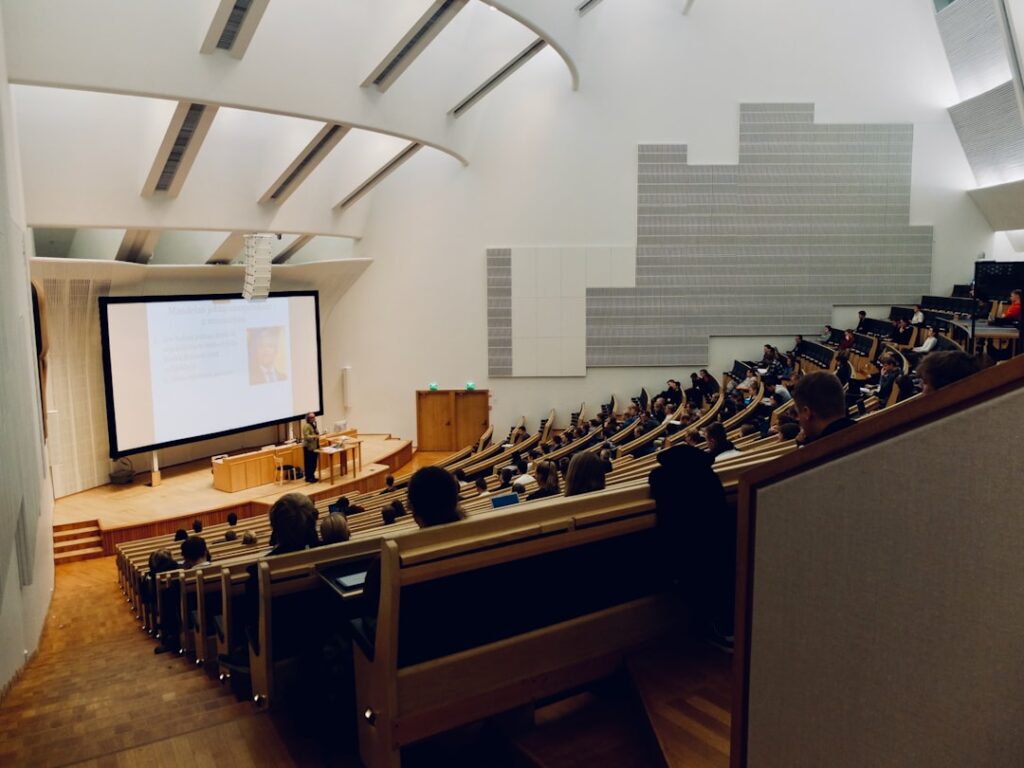
High school students often face a flood of college options and little clarity on where to start. College fairs offer a chance to cut through the noise by connecting directly with admissions reps from many schools in one place. In Las Vegas, these events fill large spaces, sometimes gymnasiums or convention centers, where students can ask questions face-to-face without the pressure of formal applications. It’s a rare moment to get candid answers and brochures all at once. For students unsure about their academic direction, college fairs can open doors they didn’t know existed. Say a student leans toward engineering but hasn’t found the right program. Talking to a university rep might reveal specialized tracks like renewable energy or robotics that aren’t highlighted online. Meanwhile, students interested in arts can meet representatives from schools with strong theater or music departments, helping them zero in on what fits best. These conversations often clarify what a school really offers beyond its website. Virtual college fairs have grown in popularity, especially for families juggling busy schedules or limited transportation. They remove travel expenses and allow participation from home, with live chat sessions and webinars featuring admissions officers and current students sharing their experiences. However, some students find virtual interactions less personal. It’s easier to miss subtle cues when you’re not physically present, and spontaneous conversations tend to happen less often online. One overlooked benefit of college fairs is the chance to connect with peers who share similar interests. Students often find others aiming for the same majors or career paths, which can lead to study groups or lasting friendships. Some colleges even offer on-the-spot admissions or give immediate feedback on portfolios and applications during these events. This direct engagement can relieve some of the stress that usually builds up waiting for admission decisions. Las Vegas hosts a wide array of fairs each season, catering to different education routes. From four-year universities to community colleges and trade schools, there’s something for everyone. Vocational students especially benefit from learning about hands-on programs that lead straight to jobs in fields like plumbing, welding, or cosmetology. These face-to-face opportunities give a clearer picture than brochures alone and help students weigh options more realistically before making final choices. Cost is always a major concern for families considering college. Many fairs include sessions or booths dedicated to financial aid, scholarships, and tuition payment plans. Students can pick up printed guides or speak directly with financial aid advisors to understand what funding options are available. Knowing how to discuss financial packages confidently is a skill rarely taught in schools but becomes easier after attending these events. Planning ahead makes attending college fairs more efficient. Most require pre-registration, especially virtual ones, to ensure participants get the right materials and reminders. Checking schedules online well before the event helps avoid last-minute surprises or missing out on preferred sessions. For those in Las Vegas looking for upcoming events, visiting college fair las vegas provides detailed listings and registration info. Students should also keep track of what they learn at each booth, collecting flyers is common, but jotting down specific points or questions can prevent confusion later. A common misstep is forgetting which school offered certain scholarships or mistakenly mixing up application deadlines. Having a dedicated notebook or digital note can save time during the application process. For nationwide event schedules and more information about different types of fairs, students and families can visit higher education event listings. Accessing this resource early allows for better planning and taking advantage of multiple opportunities throughout the year.
Harvest Tyres for Efficient Farming Operations

Harvest time is tough enough without your tractor losing grip in the field. Tyre choice makes a real difference. Harvest tyres are built to endure rough ground and heavy loads, but picking the right ones takes some thought. Too many farmers just grab standard agricultural tyres without considering the conditions their machines will face. That often leads to trouble. The tread pattern on harvest tyres matters more than most realize. Deep luts are helpful in muddy or soft soil, giving extra bite and reducing slippage. But if your fields are drier and firmer, those same deep treads can slow you down and wear out faster. Shallow tread works better on hard surfaces, allowing for higher speeds and less soil compaction. Matching the tread to your typical field conditions prevents downtime from getting stuck or sliding. Tyre pressure is another area where mistakes happen regularly. Over-inflated tyres reduce the contact patch, cutting traction and causing uneven wear. On the flip side, under-inflation leads to overheating, which weakens the tyre and risks blowouts under heavy loads. It’s smart to check tyre pressure daily during harvest, using a reliable gauge and following the manufacturer’s specs. That small habit keeps you moving and avoids expensive repairs. Pay attention to load ratings on your tyres. Each tyre is rated to carry a certain weight safely. Farmers sometimes overload machines without realizing their tyres can’t handle it, especially when trailers or implements are fully loaded. Operating beyond those limits stresses the tyre sidewalls and can cause sudden failures. Checking load capacity against your equipment’s weight when loaded is a simple step that prevents costly breakdowns. Seasonal changes affect how harvest tyres perform, too. Cold weather brings icy or frozen ground, which demands different grip characteristics than warmer seasons. Some harvest tyres are designed with rubber compounds that stay flexible in low temperatures, offering better traction on slick surfaces. Skipping this consideration can leave you struggling with poor grip just when timing is critical. Consulting someone familiar with local farming conditions can save time and money. Local suppliers or mechanics often know which harvest tyres work best around here, factoring in soil type, climate, and common crops. They can also advise on maintenance routines specific to your equipment and terrain. It’s not unusual for farmers to overlook simple tips like rotating tyres regularly or inspecting rims for damage before harvest begins. If you’re uncertain what suits your machinery best, visiting a nearby tyre dealer helps clarify options. They usually provide free quotes and can assist with fitting and balancing services on site. You also get a chance to compare brands and models side by side, feeling the difference in tread depth and rubber quality up close. Having that hands-on experience often makes final decisions easier. Investing in solid harvest tyres pays off beyond just grip and durability. Proper tyres reduce fuel consumption by improving rolling efficiency and cut soil damage by distributing weight better. They save time through fewer stoppages and minimize the risk of accidents caused by tyre failure. A farmer who keeps detailed records of tyre pressures, load weights, and maintenance schedules typically faces less unexpected downtime. If you want practical advice or need help picking the right tyres for your farm machines, don’t hesitate to talk with local farming gear advisors. They can guide you through options tailored to your land and workload so you get reliable performance when it counts.
Practical Guidance for Home Renovations

Picture your living room cluttered with old-fashioned furniture and cramped layouts. You want to reshape it into a sleek, modern space that suits your family’s lifestyle. This is a familiar situation for homeowners in Sydney’s eastern suburbs who are thinking about renovations. Deciding to renovate means juggling budgets, design preferences, and compliance with local building codes. It’s not just about looks; it’s about making sure the changes fit your needs and follow regulations. Understanding the services on offer can make or break your renovation experience. Some firms specialise in custom designs for single homes, crafting plans that reflect the homeowner’s personality instead of off-the-shelf layouts. These professionals often help clients handle contract paperwork and administration, which can be tricky. They check that every detail matches the homeowner’s goals and meets local construction rules. Take a family in Coogee wanting more living space. They might go for an open-plan design that links kitchen and dining areas, making the home feel larger and more social. This kind of change improves usability and fits current interior trends. Having a designer familiar with local styles and restrictions ensures the project runs smoothly and delivers what the family expects. Historic homes in Randwick present a different challenge. Stricter rules protect their architectural heritage, so renovations must keep original features intact while adding modern comforts. Designers experienced with heritage properties know how to balance these demands, preserving character but upgrading functionality. They can advise on materials and techniques that respect the past without sacrificing today’s standards. Renovation usually starts with a consultation where you share ideas and set expectations. The designer then drafts detailed plans covering structural adjustments, material choices, lighting, and finishes. Homeowners who stay involved during this phase help avoid misunderstandings later. A common snag is unclear expectations about fixtures or paint colours, which can cause delays or extra costs. Once designs are set, contract administration begins. This means tracking schedules, budgets, and communication between contractors and clients. Choosing a firm that offers ongoing support during construction helps catch problems early. For example, regular site visits can spot issues before they escalate, saving time and money. Clear written records of changes prevent disputes and keep everyone on the same page. Some companies provide quick-turnaround services for urgent projects or minor tweaks. This suits families needing fast adjustments, like converting a spare room into a home office due to shifting work habits. Quick responses help avoid prolonged disruption and keep daily routines intact. Home renovations in Sydney’s eastern suburbs come with their own hurdles but also rewards if planned well. Working with knowledgeable designers who understand local rules and practical details smooths the path from idea to finished space. For more information on specific services related to home renovations eastern suburbs, check out local professionals who can guide you through the process. If you want advice on planning residential alterations, browsing through local design options will give you clearer direction for your project.
Unlocking Potential Through Work-Based Learning

Starting a first job after college can be a rude awakening. Many graduates find that what worked in the classroom doesn’t always apply straight away in the workplace. That’s where work-based learning comes in. It gives students a chance to test their knowledge in real situations, helping them build skills employers actually want. It’s more than theory, it’s about practice and adjustment. For example, a student might struggle initially with workplace communication until they have direct exposure to professional settings. Work-based learning covers a range of experiences like internships, apprenticeships, and cooperative education programs. These opportunities let students earn academic credit while gaining hands-on experience. Consider a finance student assigned to draft budget reports during an internship. This task sharpens their financial analysis and teaches them how to deliver clear updates to supervisors, a skill often overlooked in lectures. Skills must evolve alongside industry demands. Employers want people who combine technical know-how with soft skills such as teamwork and creative problem-solving. Work-based programs expose students to these expectations early on. A nursing student, for instance, learns not only medical protocols but also how to handle emotional conversations with patients, something textbooks rarely teach. This direct professional contact fosters adaptability that classroom lessons alone can’t offer. Launching these programs isn’t straightforward. Universities can find it difficult to adjust curricula so that academic requirements align well with practical assignments. Finding local companies willing to take on students requires effort and persistence. Educators also have to manage mismatched expectations between schools and businesses. One common hiccup is unclear communication about internship goals, which can lead to students feeling underutilized or overwhelmed. To make work-based learning effective, educators should build strong ties with industry partners. Regular employer feedback on student performance helps refine course content and ensures relevance. Encouraging students to keep reflective journals during placements prompts them to think critically about their experiences and identify personal growth areas. Scheduling debrief sessions after internships also helps clarify any misunderstandings and enhances learning. Mentorship is key. Experienced professionals who take time to guide students can provide practical advice that textbooks don’t cover. For example, a mentor in marketing might review an intern’s campaign ideas and offer insights on client presentations, giving the intern confidence and real-world perspective. These relationships often lead to networking opportunities and smoother transitions into full-time roles. Technology can boost these programs by making communication easier. Online platforms enable remote check-ins between mentors and students, useful when placement locations vary widely. Digital portfolios allow students to collect and present their best work professionally, which can impress future employers. Using these tools thoughtfully helps maintain engagement and creates flexible learning environments. Understanding what is work based learning matters for both teachers and learners aiming for meaningful skill development. When done well, it aligns education with job market realities and increases graduates’ chances of success. The process requires patience, clear communication, and active collaboration between schools and industries. For those interested in further support with program design or partnership building, resources like industry collaboration guidance offer practical advice grounded in real-world experience. These can help institutions create better pathways for students to gain valuable experience before stepping into their careers.