
G Series II Enhances Performance and Efficiency
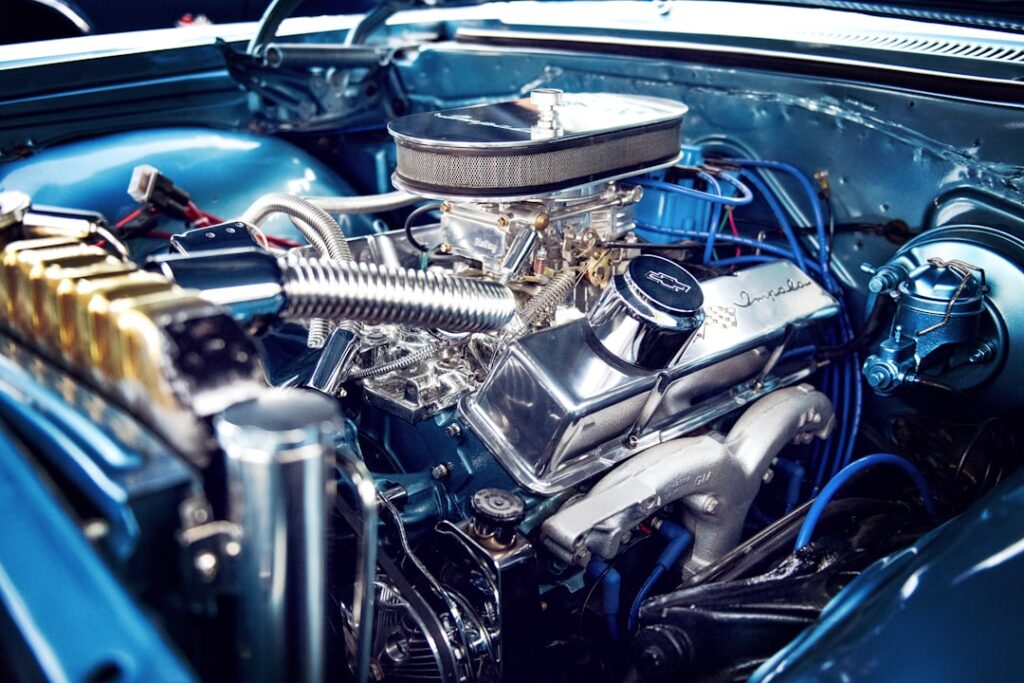
At car meets, the G Series II turbochargers spark serious conversations among enthusiasts focused on performance upgrades. These turbochargers steadily gain favor with drivers who want a reliable boost in power without sacrificing efficiency. Designed with advanced aerodynamic features, the G Series II improves airflow, which helps increase horsepower while keeping throttle response sharp. A tuner moving from a standard turbo to the G Series II often notices better peak power and stronger mid-range torque, giving the car a more immediate and lively feel whether on the street or track. The flexibility of the G Series II stands out. It suits everything from daily drivers to full race builds. For example, a racer can adjust boost levels and fine-tune air-fuel mixtures to match different tracks or weather conditions. This adaptability means the same turbo can perform well across diverse setups, saving builders from swapping parts frequently. It’s common for shops to spend extra time ensuring the turbo fits perfectly with upgraded intercoolers and exhausts, which often requires modifying existing components for optimal results. Efficiency improvements are another key feature. The G Series II uses precision-machined components that cut down turbo lag while pushing higher boost pressures. Drivers report quicker spool times compared to older turbos, which translates to faster power delivery during acceleration or competitive driving. This quick response can influence lap times and overall driving enjoyment, especially in situations where every fraction of a second counts. Installation is rarely straightforward. Shops often remind customers that upgrading to a G Series II means revisiting supporting systems like intercoolers and exhaust routing. Getting these right prevents common hiccups such as heat soak or pressure drops that could reduce performance gains. Experienced mechanics usually recommend checking fitment against all aftermarket parts beforehand to avoid delays or rework. Durability is a practical concern for builders who push their cars hard. The G Series II turbos are engineered to handle higher temperatures and pressures than many alternatives on the market, which means they hold up better under stress during extended use on the track or daily driving. This toughness leads to fewer failures and warranty issues, something both shops and end users appreciate when reliability matters as much as power. A realistic detail often overlooked is how shops document installation settings like boost levels and wastegate adjustments before handing the car back. This habit helps identify any changes needed after test drives and avoids unnecessary returns. Additionally, customers frequently ask about maintenance schedules; knowing that regular oil changes with the right synthetic oil keep the turbo spinning well is common advice shared by experienced tuners. For more technical details and feedback from users, visit G Series II. This resource offers specs and community insights that can guide those considering an upgrade. Adding a G Series II turbo to your setup opens new doors for tuning and performance tweaks. As its reputation grows among builders and racers, it’s becoming a go-to option for anyone serious about extracting maximum potential from their engine. For further information on installation tips and performance optimization, check out performance turbocharger advice.
What Makes Jewish Camps Special?

Choosing a summer camp can be daunting. Jewish camps stand out because they combine outdoor activities with a strong sense of community and cultural education. Beyond traditional camp fun like hiking, swimming, and sports, these camps weave Jewish customs into daily life, giving kids a chance to connect with their heritage in a natural setting. For instance, Shabbat dinners are not just meals but moments for campers to gather, reflect, and participate in rituals that deepen their understanding of Jewish traditions. Campers quickly feel part of something bigger. The atmosphere encourages a strong group identity through shared experiences. Kids learn prayers and songs, engage in group discussions about values, and participate in creative projects that highlight Jewish history. This creates an environment where learning happens informally but effectively. Many camps organize arts and crafts sessions focused on Jewish themes, blending creativity with cultural awareness. Safety is a top priority at these camps. Staff members undergo training not only in first aid but also in emotional support techniques. They are prepared to handle conflicts sensitively and help children develop interpersonal skills like teamwork and empathy. Parents often appreciate the clear communication channels, including daily updates and emergency protocols, which build trust and help them stay connected to their child’s experience. Jewish camps often bring together children from diverse Jewish backgrounds, Orthodox, Reform, Conservative, and secular families alike. This mix fosters an environment where campers learn respect for varying practices and beliefs within Judaism itself. Some camps even include interfaith sessions where campers explore different religious traditions respectfully, broadening their outlook without diluting their own identity. Parents benefit as well. Many find that camp communities extend beyond the summer. It’s common for families to exchange contact information and organize gatherings during the year. These connections can become a valuable support network, offering advice on Jewish education or family celebrations. Seeing their children thrive socially and culturally among peers provides reassurance that the camp experience goes beyond just keeping kids busy. For those considering options, Jewish Camp America offers a directory of camps across the country with various focuses. Some specialize in sports while others emphasize arts or leadership development. Checking each camp’s website for detailed program descriptions and camper testimonials helps families find the best fit. It’s also common practice to review the camp’s staff qualifications and safety guidelines before enrolling. Thinking about what your child enjoys is critical. A child who loves nature might thrive in camps with extensive hiking trails and water activities, while another interested in community service might prefer camps offering volunteer projects or environmental stewardship programs. Many camps also have counselor-in-training tracks that teach responsibility and leadership, giving older campers a chance to take on mentoring roles. Before making a decision, parents often check lists like what to pack for camp or the camp’s policy on screen time to avoid surprises once summer starts. Misunderstandings over pickup times or health forms are common hiccups but easily prevented by thorough communication with camp staff ahead of time. These small details matter for a smooth transition and a positive experience. You can find more specific information about these opportunities at summer programs with jewish values. Exploring these resources will help you match your child’s interests with a camp environment that supports both personal growth and cultural connection.