
Outdoor Kitchen Planning in Ontario
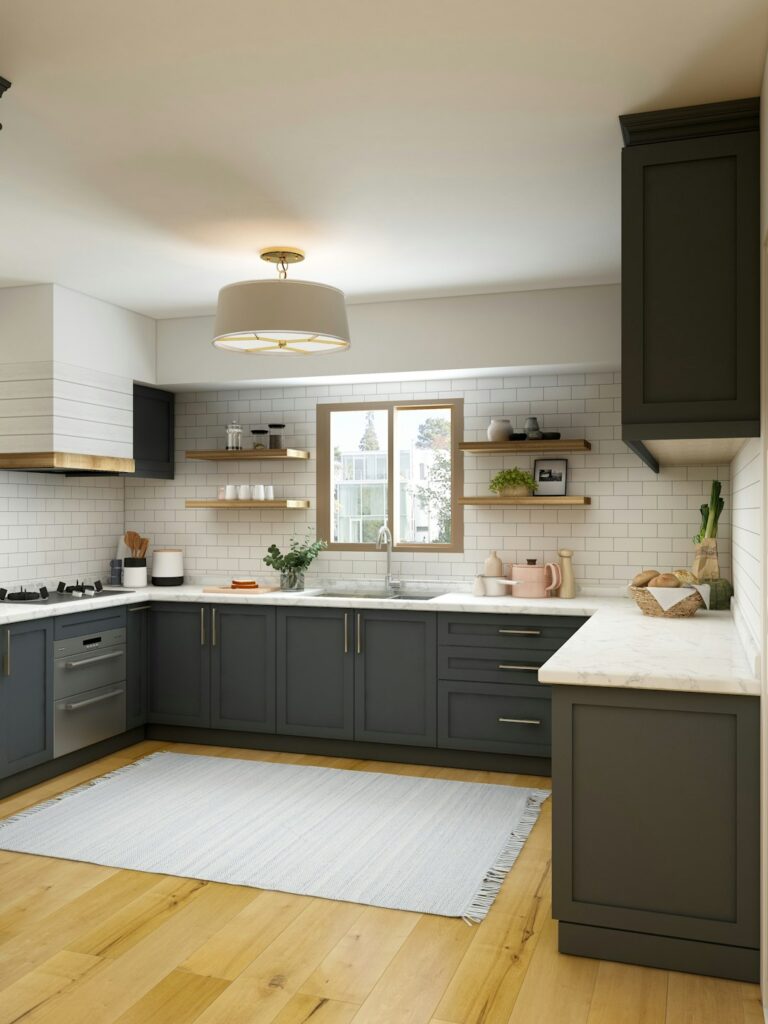
Picture a backyard gathering where the scent of grilled vegetables fills the air, and the sound of laughter bounces around. That’s what many Ontario homeowners want from an outdoor kitchen. But without smart planning, the reality often falls short. Too many people focus on looks and forget about workflow. An outdoor kitchen should be easy to cook in and comfortable to hang out around. If you end up running inside for utensils or ingredients, you’ve missed the point. Good design means arranging appliances, counters, and seating so everything flows naturally. Location is key. Placing your kitchen near water, gas, and electric lines cuts installation headaches and costs. In Ontario, materials need to handle cold winters and wet conditions. Concrete countertops, natural stone, and stainless steel hold up well while looking sharp. Avoid porous materials that stain or crack with freeze-thaw cycles. Built-in grills, fridges, and sinks improve efficiency but require thoughtful planning, make sure there’s enough counter space for prepping food and serving guests. Many overlook lighting; integrating adjustable LEDs helps extend usability into the evening hours. I’ve seen homeowners jump on trendy designs without checking how the layout fits their yard or habits. One client ended up with a cramped setup lacking work surfaces because they didn’t consult a professional first. It’s worth hiring a designer who understands local climate challenges and can create a layout tailored to how you cook and entertain outdoors. They’ll consider factors like wind direction to keep smoke away from seating areas and ensure electrical outlets are safe from rain. Sustainability is becoming a bigger priority for outdoor kitchens in Ontario. Using recycled bricks or reclaimed wood adds character and reduces waste. Energy-efficient appliances can lower operating costs, especially if you include lighting or refrigeration. Consider rainwater collection systems for your sink to cut water use during warmer months. Native plants around your kitchen not only look good but require less watering and maintenance. These choices make your outdoor kitchen friendlier to the environment while keeping upkeep manageable. Budgeting realistically is critical. Small setups with basic grills and counters can start around $4,000 to $7,000. Adding features like pizza ovens, premium appliances, or stonework pushes costs beyond $15,000 quickly. Expect some surprises during installation, underground utility lines might need rerouting or soil conditions could require extra foundation work. Homeowners who set budgets without a buffer often end up compromising on quality or functionality later on. Working alongside horticulturalists can significantly improve your outdoor kitchen’s look and feel. They help select plants that complement hardscape materials and thrive in Ontario’s climate. A common misstep is planting non-native species that demand constant attention or don’t survive winter well. Collaborating with plant experts ensures your kitchen sits in a balanced landscape that stays attractive year-round without excessive effort. For ideas on transforming your backyard into a cooking retreat, visit outdoor kitchen ontario. They offer inspiration and practical advice specific to this region’s conditions. Also, explore for guidance on integrating your kitchen with the surrounding landscape. Combining culinary functionality with thoughtful planting creates a space you’ll want to use all season. garden design services in ontario Low-maintenance landscaping is more than convenient, it’s essential for keeping your outdoor kitchen inviting throughout the year. Native grasses and shrubs that tolerate cold winters reduce watering needs and prevent overgrowth. Mulching beds helps control weeds and protects roots during freeze-thaw cycles common in Ontario. Regularly trimming plants before winter sets in prevents damage from snow and ice buildup, saving time come spring. These small efforts keep your outdoor cooking area ready for guests without turning into a chore.
Stone Benchtops For Melbourne Homeowners
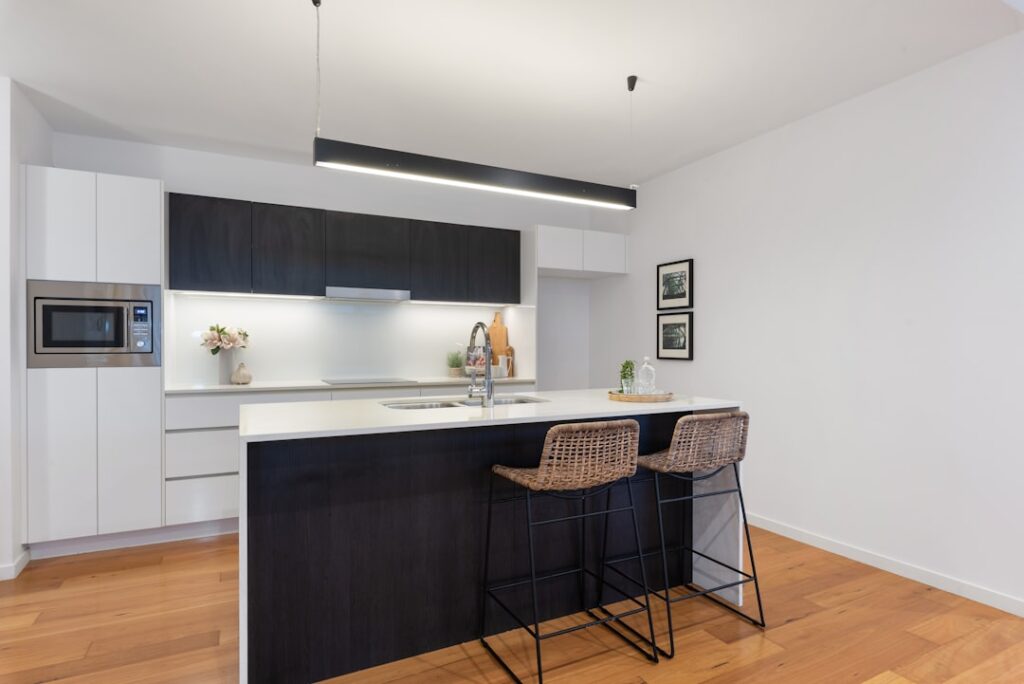
If your kitchen benchtop is scratched, stained, or just plain tired, resurfacing with stone might be a practical fix. Many Melbourne homeowners face this issue without wanting to spend on a full replacement. Stone benchtop resurfacing applies a fresh layer of durable stone material over your existing surface, extending its life and improving its appearance. It’s a way to avoid demolition and mess but still get a modern look. The process usually starts with sanding the old benchtop to remove imperfections and create a smooth base. Then, a thin layer of stone, often granite or quartz, is applied. A common choice is a 7mm thick surface, which balances elegance with everyday durability. This thickness handles regular kitchen wear but doesn’t add bulk or require structural changes, making it ideal for quick upgrades. Design options are surprisingly flexible. You can pick colours and textures that blend with your home’s style. For example, a sleek black quartz finish suits contemporary kitchens, while light granite tones work well in more traditional settings. Homeowners often bring samples from flooring or cabinetry to check how everything coordinates before installation. This step helps avoid surprises later and ensures the new surface feels like it belongs. Resurfacing is also a time-saver compared to replacing benchtops entirely. A full replacement can disrupt your daily routine for weeks, with demolition, disposal, and installation taking time. Resurfacing typically takes just a few days, allowing you to use your kitchen much sooner. This speed appeals especially to busy households where a long kitchen shutdown isn’t an option. Expect installers to protect surrounding areas carefully. They usually cover floors and cabinets to prevent dust and damage. During preparation, small chips or cracks in the original surface might be filled, which avoids unevenness under the new stone layer. It’s common to clarify these details before work begins to prevent misunderstandings about the final finish. Warranty coverage is worth checking before committing. Reliable providers offer guarantees on both materials and workmanship, often covering issues like peeling or premature wear for several years. Reading the fine print can save headaches later, some warranties exclude damage from improper cleaning products or heavy impacts, so ask about care instructions too. If you’re weighing options for kitchen or bathroom upgrades, stone benchtop resurfacing offers a blend of durability, style, and efficiency. It’s especially practical when the underlying structure is sound but aesthetics need refreshing. For more on what this involves and how it might suit your home, visit stone benchtops melbourne. This resource explains installation steps clearly and sets realistic expectations. Before making decisions, consider consulting with professionals who can assess your current benchtops’ condition and advise on suitable stone types and finishes. Discussing maintenance routines upfront helps prevent future problems too; for example, quartz surfaces resist stains better than some granites but still need gentle cleaners to avoid dulling. To explore further options and advice tailored to Melbourne homes, see stone surface refurbishment advice.