
Lymphoedema Treatment Options Explained

Imagine waking up to find one of your limbs swollen and uncomfortable, making even simple movements difficult. This is the reality for people dealing with lymphoedema, a condition where fluid accumulates in the tissues and causes swelling. Consulting a lymphoedema specialist can be a game plan for managing symptoms effectively. These specialists assess your condition thoroughly, considering your medical history and daily routines, then craft a treatment plan tailored to your specific situation. They often recommend a mix of therapies suited to your stage of lymphoedema and any underlying causes. Understanding the difference between a lymphoedema therapist and manual lymphatic drainage (MLD) is vital. A lymphoedema therapist offers a broad treatment scope including education on skin care to prevent infections, guidance on using compression garments correctly, and exercises designed to improve lymph flow. MLD is a targeted hands-on massage technique that gently encourages lymph fluid movement, aiming to reduce swelling. While MLD can provide relief, it usually complements other strategies like compression and exercise rather than replacing them. Choosing the right provider can be confusing. Seek out therapists who have completed specific lymphoedema training accredited by recognised bodies. Experience matters, especially if your lymphoedema developed after cancer treatment or surgery. Don’t hesitate to ask how they monitor progress or adjust treatments over time. For example, some therapists use limb measurements regularly to track swelling changes, which helps avoid guesswork and ensures treatment stays effective. Patient education is often overlooked but critical. A good lymphoedema specialist will teach you how to care for your skin daily, since dry or damaged skin can lead to infections like cellulitis. They’ll also explain nutrition’s role in managing inflammation, suggesting balanced diets rich in antioxidants and low in salt. Regular gentle exercises, such as walking or swimming, can improve circulation and reduce fluid buildup. Many patients find it helpful when therapists show them how to self-apply compression wraps correctly , this skill prevents unnecessary trips back to the clinic. Improvement timelines vary widely depending on the severity of your lymphoedema and how consistently you follow your treatment plan. Some notice reduced swelling within a few weeks, especially when starting MLD combined with compression therapy. However, lymphoedema is chronic; it requires ongoing care and lifestyle adjustments. Staying engaged with support groups can provide motivation and practical tips from others who understand the daily realities of living with this condition. If you’re ready to start managing your lymphoedema proactively, consider reaching out to a lymphoedema specialist. They will evaluate your needs and work with you to create a custom plan that fits your life. Early intervention often leads to better control of symptoms and prevents further complications. It’s common for patients to underestimate the importance of consistent follow-up visits; regular check-ins help catch any setbacks early before swelling worsens. Sometimes it’s hard to know what questions to bring up during appointments or where to look for reliable information. If you want practical advice on managing lymphoedema day-to-day or questions about treatments, call 9786 6642 or book an appointment online. Taking these steps can make a tangible difference over time. For additional resources and helpful guidance on living with lymphoedema, visit lymphedema treatment guidance.
Equipment and Asset Protection For Businesses

Finding vital machinery missing from a job site is not just frustrating, it can halt work for days or weeks. Theft like this adds unplanned costs and risks pushing projects past deadlines. Preventing these losses means staying ahead with smart security measures, not waiting for problems to arise. Protecting equipment preserves your schedule and budget. Security cameras remain one of the most effective deterrents. Position high-definition cameras to cover entry points, storage areas, and expensive gear. Pair them with motion detectors that send instant alerts to your security team’s phones or radios. This setup allows rapid response to suspicious activity rather than discovering theft after the fact. A well-monitored site often keeps thieves away altogether. Restricting access is just as important as watching the perimeter. Use heavy-duty locks on trailers and toolboxes. Fence off sites with locked gates and install electronic keypads or card readers for employees. If your budget allows, employ on-site guards trained to watch entrances and patrol regularly. Having someone visibly present reduces unauthorized visits and ensures quick intervention if needed. Don’t overlook training your crew on security basics. Workers who understand how easily equipment can be stolen or damaged tend to be more careful. Regular safety meetings should cover how to lock up properly, what suspicious behavior looks like, and how to report concerns immediately. A crew that communicates openly about security problems can prevent small issues from escalating. Weather-related damage also threatens assets, especially where storms or floods occur. Prepare by moving portable tools indoors when a severe weather warning hits. Cover fixed equipment with tarps secured tightly against wind. Maintain an updated disaster response checklist so everyone knows their role in protecting gear quickly. Practicing these steps before disaster strikes reduces downtime and repair costs. Keeping an accurate inventory is vital. Document each piece of equipment, including serial numbers and photos, in a centralized system accessible by managers on-site and off-site. Update it whenever items move or get serviced. This habit helps spot missing tools early and aids police reports if theft occurs. It also reveals patterns, such as repeated losses of specific items, allowing you to adjust your protection strategies. A common misstep is relying solely on technology without regular audits or physical checks. Make it routine for supervisors to inspect locks, cameras, and fences weekly. Check that alarms are functional and staff follow protocols consistently. Often, simple maintenance or reminders prevent security lapses that lead to losses. For more detailed guidance tailored to your operation, explore equipment and asset protection options designed to fit different business sizes and needs. Combining technology, controlled access, crew training, weather preparedness, and thorough record-keeping creates a practical defense against theft and damage. Each element supports the others, forming a security net that keeps your business running smoothly without costly interruptions. For advice on protecting your assets with local support, visit security services in your area.
Explore Alpine Motorcycle Tours in New Zealand

Morning breaks over the Southern Alps, and riders gear up for another day on the road, ready to tackle steep mountain passes and vast open stretches. The draw of alpine motorcycle tours lies in the mix of freedom and discovery, offering a chance to see New Zealand’s famous landmarks alongside lesser-known spots. Riders often rely on printed route notes and local advice to avoid common pitfalls like missing fuel stops or challenging gravel sections, which can catch even experienced bikers off guard. A practical habit is to double-check weather updates each morning; conditions can shift quickly in alpine areas, affecting both safety and enjoyment. Choosing your route depends on what kind of terrain you want to conquer. The North Island mixes dense native forests with sweeping coastlines. Many opt for circuits around the central plateau, where volcanic cones and steaming craters offer a striking contrast to the lush greenery. The South Island, by comparison, is wild and dramatic. Fjords carved deep into the coastline meet snow-dusted peaks, creating epic views that demand slow, deliberate riding. Along the way, stopping in small towns for a hot meal or a chat with locals can reveal hidden gems not found in guidebooks. One standout tour is the Aotearoa Odyssey, a cross-island journey that captures the country’s diverse landscapes. From Rotorua’s bubbling geothermal parks to Milford Sound’s towering cliffs, it covers ground few other trips do. Photographers will appreciate the range of lighting and scenery, from early morning mist over lakes to clear afternoon skies framing jagged ridges. It’s easy to underestimate how long some stretches take; planning fuel stops and rest breaks carefully helps keep the ride manageable and enjoyable. Most tours provide detailed maps and timed itineraries highlighting must-see spots and practical stops. Many also include roadside assistance, a welcome feature given how remote some sections are. Carrying a basic toolkit and knowing simple fixes like tightening loose bolts or checking tire pressure can prevent delays. Riders often share tips about packing light but smart, keeping rain gear accessible and stowing snacks for long stretches without services. The right bike makes a big difference. Premium BMW motorcycles are common rentals because they blend power with comfort, handling everything from tight switchbacks to gravel roads without fuss. Their adjustable suspension and ergonomic seating reduce fatigue on long days. Riders frequently mention how these machines inspire confidence when tackling unfamiliar or rough terrain, letting them focus more on the scenery than the mechanics. Technology helps too. The Wandrith Journey App offers motorcyclist-specific navigation with turn-by-turn instructions plus alerts about scenic detours and local points of interest. It’s useful for adjusting plans on the fly, whether to avoid sudden weather changes or to spend extra time at a particularly striking lookout. Many riders still carry paper maps as backup; relying solely on digital devices can be risky in areas with patchy signal. After hours in the saddle, where you stay matters. Many tours arrange lodging that caters specifically to riders, offering secure parking so you don’t worry about your bike overnight. Facilities often include laundry services and hearty meals tailored to refuel after tough rides. Some places even have drying racks for wet gear, a small but appreciated detail after a day on damp roads. Choosing accommodations with these rider-friendly features can make a noticeable difference in comfort. For those eager to explore New Zealand’s mountains by motorcycle, options abound across both islands. Whether drawn by the rugged South Island landscape or the cultural richness of the North Island, each route offers unique challenges and rewards. Planning well, checking maps, packing essentials, and knowing your machine, sets you up for an adventure worth every mile. More details about routes and support are available through alpine motorcycle tours. For gear advice and travel tips, visit . motorcycle travel resources
Complex Web Development Explained

Imagine a small business owner who just launched an online store. They hoped the site would capture their brand’s personality, but instead, it feels bland and impersonal. Visitors quickly leave without engaging because the website looks like thousands of others using generic templates. This problem is common when companies rely on off-the-shelf designs rather than investing in custom development that truly represents their identity. Opting for a one-size-fits-all template often means missing out on features that fit specific business needs. For example, a restaurant might need a booking system integrated directly into its site, while an online retailer could require specialized payment options beyond standard gateways. These tailored functions improve how visitors interact with the site and can boost sales or bookings. Many developers skip thorough onboarding after launch, leaving clients confused about managing their new websites. Providing clear training sessions or step-by-step manuals helps clients update content themselves and troubleshoot minor problems. This approach reduces back-and-forth emails and builds confidence, ensuring the website stays current without constant developer intervention. With mobile users accounting for a large portion of traffic, websites must work well on various devices. A site that adjusts smoothly to smartphones, tablets, and desktops keeps users engaged and can improve search rankings. Ignoring responsive design risks losing visitors who find the site hard to use on their preferred device. Security often takes a back seat until something goes wrong. Installing SSL certificates from day one encrypts data and reassures customers their information is safe. Regular software updates and security audits also help prevent breaches. Businesses dealing with personal or payment details should treat security as a foundational requirement, not an afterthought. Page speed matters more than many realise. Slow load times cause visitors to drop off before seeing any content. Compressing images, cleaning up unnecessary code, and using caching techniques help pages load faster. Developers should monitor performance regularly and be ready to fix issues quickly to keep downtime minimal. Understanding the difference between template-driven sites and custom platforms affects long-term success. Templates might seem cheaper initially but can limit growth because they lack flexibility. A custom-built website allows for adding features over time and adapting as the business evolves. For tailored options, visit complex web development. Our business owner soon realises that collaborating closely with developers who listen and build according to their vision produces much better results than settling for generic sites. They learn that investing time in training and ongoing support prevents frustration and frequent fixes. Custom development paired with practical client education transforms how a business presents itself online.website management guidance
Common Deck Waterproofing Challenges
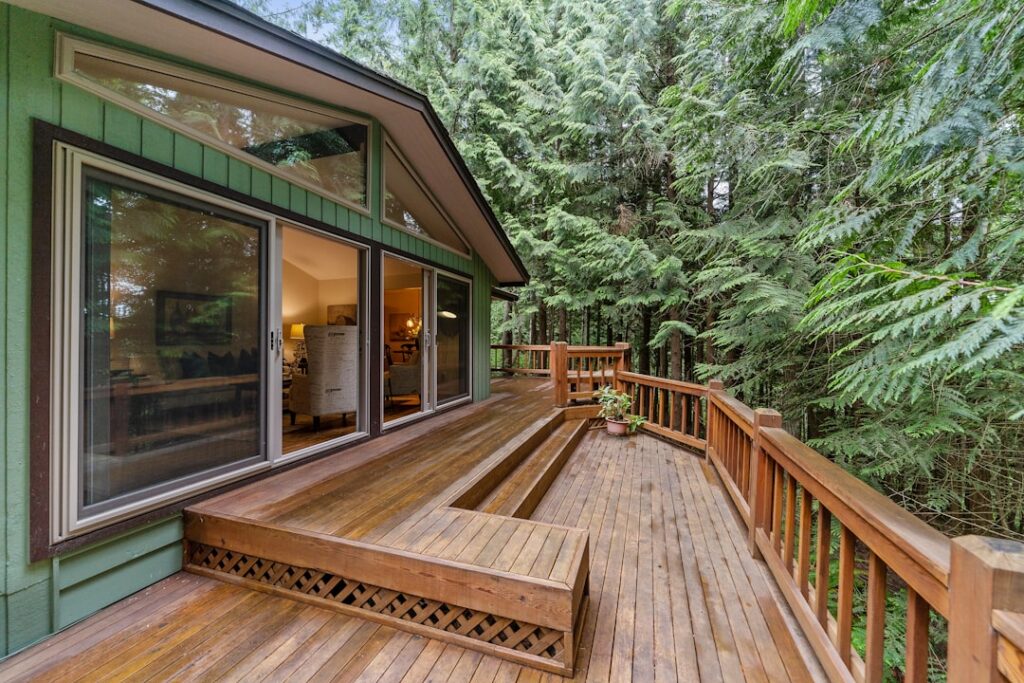
Stepping onto a deck covered in puddles after a rain isn’t just annoying, it’s a sign that waterproofing has failed. Wood decks especially suffer if water seeps through. Left unchecked, moisture causes warping, rot, and sometimes mold growth. The best defense is a quality waterproofing product that sticks well and endures all kinds of weather. But picking the right product is only part of the battle. One frequent error is skipping proper surface prep. Dirt, dust, and leftover coatings act as barriers that stop waterproofing membranes from bonding properly. If the surface isn’t cleaned thoroughly and dried, the membrane won’t adhere well and can peel off early. A simple habit like sweeping away debris and letting the deck dry fully can save a lot of headache later. Coverage mistakes happen too often. Applying too thin a coat leaves spots vulnerable to water damage. For wooden decks, you need enough liquid membrane to soak into the wood fibers deeply. Eyeballing coverage isn’t reliable; use a coverage calculator based on your deck’s size to buy the right amount of product. This helps avoid weak patches and wasted materials. You can check out a handy coverage calculator at deck waterproofing. Timing the application matters. Extreme temperatures affect how membranes cure, too hot or too cold can cause problems with drying and sealing. Rain right after applying is a disaster waiting to happen. Aim to apply during mild weather and plan around the forecast. If there’s any chance of rain within 24 hours, postponing is usually smarter. DIY projects can feel overwhelming, especially with waterproofing products that come with confusing instructions full of jargon. Thankfully, many manufacturers offer clear, step-by-step guides tailored for home projects. Taking time to read these guides carefully makes a big difference. It’s common to rush or skip steps, but following directions closely reduces errors and rework. Maintenance often gets ignored once the deck looks fine after waterproofing. Regular checks for cracks, bubbles, or worn areas let you catch damage early before it spreads. Touching up vulnerable spots keeps the waterproof layer intact longer. It’s also practical to clean the deck seasonally to prevent mold and mildew buildup, which can degrade the membrane over time. If you’re unsure about products or techniques, getting advice from someone familiar with local weather patterns and materials can help avoid costly mistakes. Properly caring for your deck keeps it safe and looking good longer, protecting your investment effectively. For guidance suited to your situation, you might consider reaching out for deck care support near me.
Welcoming Christ Centered Community

Imagine walking into a church on a Sunday morning where the buzz of friendly chatter and genuine smiles fills the air. At Alexandria Evangelical Covenant Church, located in both Alexandria and Springfield, VA, Sundays are not just about attending a service. They’re about being part of a community that values real connections and shared faith. You’ll notice right away that this isn’t just a building for worship; it’s a place where relationships are built and spiritual journeys are supported through honest conversations and everyday encounters. The church offers two weekly services to accommodate different lifestyles and preferences. One is a quieter, more reflective early service, while the other is a more energetic gathering later in the morning. This arrangement helps people fit worship into their schedules without feeling rushed or out of place. The congregation is diverse, with people from various backgrounds coming together, which reflects the church’s mission to be open and welcoming. It makes a difference when you walk in and see familiar faces as well as newcomers who are warmly greeted. Children’s programs are a significant part of what the church offers. Kids don’t just sit quietly; they engage in hands-on activities tailored to their ages that teach biblical stories and principles in ways they can grasp. These lessons often involve crafts, songs, and games that make faith understandable and fun. Parents appreciate being able to focus on worship knowing their children are in a secure environment where caregivers follow safety protocols and encourage positive social interaction. Leadership at Alexandria Evangelical Covenant Church takes an approachable stance. The pastor encourages questions during sermons and small group discussions, making it clear that doubt and curiosity are part of growing faith. This openness creates space for people to wrestle with difficult topics in a supportive setting. Weekly meetings and Bible study groups provide additional opportunities to deepen understanding and build friendships beyond Sunday services. Staying informed is easy here. Members often mention how the weekly email updates help them keep track of events like volunteer opportunities, special worship nights, and community outreach projects. Without these reminders, it’s easy to miss chances to get involved or support others. The church office also maintains a printed calendar available at the welcome desk, which many find helpful for planning ahead without relying solely on digital messages. If you’re thinking about visiting or joining, reaching out is straightforward. The staff responds promptly to calls or emails and can guide you through what to expect during your first visit, including parking tips and childcare options. Newcomers often comment on how the greeters remember names quickly or check in after services to see how they felt about the experience. These small touches help break down barriers that sometimes make starting at a new church feel intimidating. More details about programs and service times can be found online at alexandria evangelical covenant church. The website also lists ways to participate in community service projects, which many members have found rewarding for building relationships outside the church walls. For those interested in deeper involvement, there are opportunities like small group leadership training and volunteer roles in children’s ministry or music teams. These roles often require filling out simple forms and attending occasional meetings to coordinate schedules, which helps keep things organized and prevents last-minute confusion. By offering varied services, engaging children’s activities, approachable leadership, clear communication, and easy access to information, Alexandria Evangelical Covenant Church creates a practical environment for anyone looking to grow in faith within a supportive community. Whether you’re new to the area or seeking a fresh start in your spiritual life, this church provides multiple ways to connect and contribute. Visit community worship programs online for more information.
New Years Catering Ideas for Celebrations

Planning a memorable celebration for the New Year often revolves around one key element: food. New Years catering offers an excellent way to ensure your guests enjoy a diverse, delicious spread without the stress of cooking or last-minute preparations. Whether it’s an intimate gathering or a large party, catering services can provide a varied menu to suit different tastes and dietary preferences, adding convenience and style to your event. One of the biggest advantages of opting for professional catering is the ability to customize dishes to match the theme or mood of your celebration. From traditional dishes symbolizing prosperity and good fortune to contemporary fusion cuisine that excites the palate, caterers are equipped to create an experience worth remembering. It’s also practical; ordering from established providers means you avoid hours spent in the kitchen while still presenting an impressive feast. For those considering hosting their New Year’s event on water or in unique venues, specialized options like new years catering on luxury boats add an extra layer of elegance and exclusivity. Such experiences combine scenic views with gourmet meals, making the countdown to midnight even more special. These bespoke services offer flexibility in menu selection, accommodating various cultural tastes and dietary restrictions while ensuring service is seamless throughout your gathering. Beyond just food, many caterers provide additional offerings such as beverage packages, decoration ideas, and staff support to make your event run smoothly from start to finish. Choosing a catering provider involves considering several factors: menu variety, quality of ingredients, presentation style, and reliability. It’s important to discuss your vision clearly with your chosen caterer so they understand your expectations fully. Sampling menus ahead of time can help you finalize selections that will delight every guest at your party. Moreover, many companies now emphasize sustainable practices by using locally sourced produce and eco-friendly packaging, which adds a responsible touch to festive celebrations. If budget is a concern, there are ways to tailor catering options without compromising on taste or service quality. Some providers allow you to mix plated courses with buffet setups or offer smaller portion sizes that reduce waste yet keep everyone satisfied. Planning early also helps secure availability during this busy season when demand peaks significantly. As you explore different ideas for welcoming the New Year with style and flavor, remember a well-chosen catering service can transform your celebration into a joyous occasion filled with laughter and indulgence. For further inspiration on crafting menus and themes suitable for various venues and guest lists, visiting reputable sites can offer valuable guidance. You might find detailed suggestions on coordinating food with entertainment or tips on scheduling meal times perfectly sync with festivities at quality catering resources. Ultimately, embracing professional assistance frees you up to enjoy every moment alongside friends and family while creating cherished memories that last well beyond the final toast.