Trucker Caps: Crafting Custom Identity
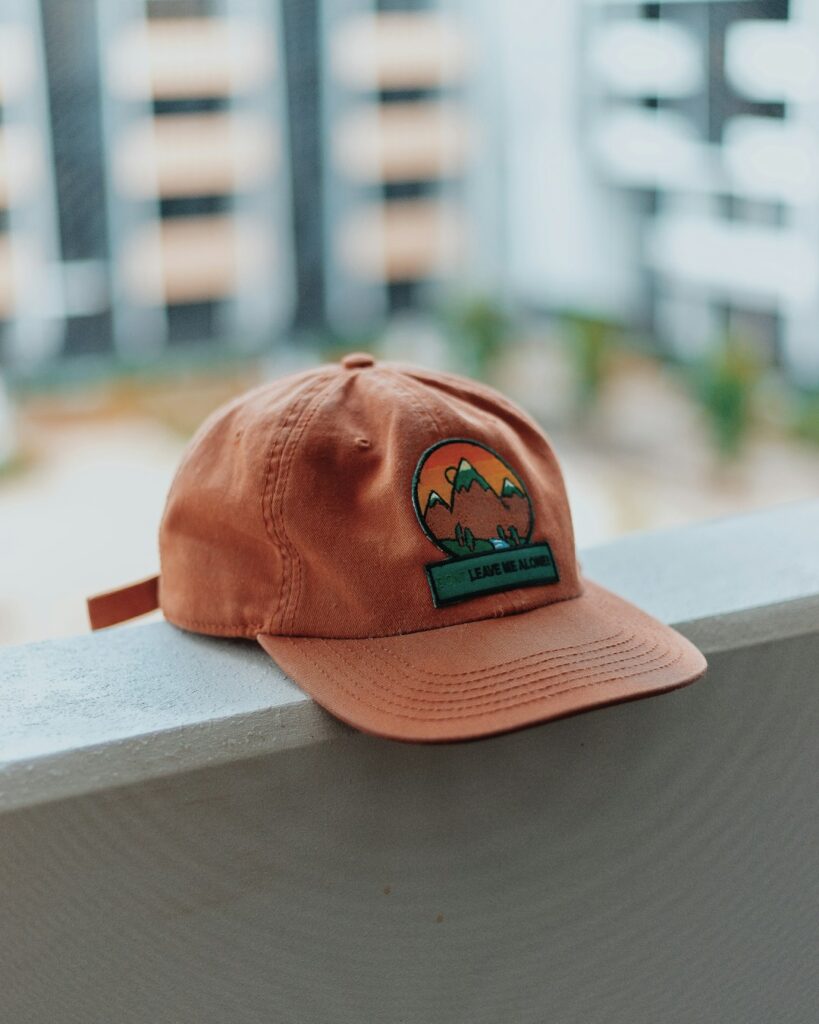
Picture a crowded event where everyone sports a trucker cap that stands out with its own story. For businesses aiming to cut through the noise, custom trucker caps are more than just headwear, they’re mobile billboards. They boost brand recognition wherever they go. Whether you’re rolling out a product or setting up shop at a trade show, investing in well-made trucker caps can give you a tangible edge over rivals. Creating these caps starts with a clear grasp of who you want to reach and what you want your cap to say. It’s worth taking time to talk with seasoned manufacturers who can guide you through style options, fabric choices, and design tweaks that fit your brand’s personality. Skipping this step often leads to misaligned expectations and extra costs later. A detailed consultation ensures you avoid common mistakes like choosing unsuitable materials or missing design details that clash with your image. After nailing down the brief, design comes next. Designers typically use digital mock-ups that let you see how colors, logos, and patterns come together on the cap’s panels and mesh back. Pay close attention to color contrast and logo placement; these small choices affect visibility from a distance. For example, a local coffee roaster might pick warm browns and cream tones with a hand-drawn logo, while a fitness brand could choose bold reds and clean lines for an energetic vibe. It’s not unusual for clients to make several rounds of revisions here, which is why having a clear approval process helps keep things on track. Production demands equal care. Fabric thickness, ventilation, stitching quality, and closure types all impact the wearer’s comfort and the cap’s lifespan. Outdoor events call for breathable mesh and UV-resistant fabrics. Also, ethical sourcing matters, reputable manufacturers provide transparency about where and how materials are sourced and workers treated. Staying informed about supplier certifications helps prevent surprises down the line and resonates with audiences mindful of social responsibility. Delivery logistics often get overlooked but can derail campaigns if mishandled. Setting firm deadlines with your supplier and confirming shipment tracking keeps everyone accountable. It’s common for manufacturers to require lead times of at least four to six weeks. Keep a buffer for potential delays like customs hold-ups or production quality checks. Regular check-ins during shipping prevent last-minute panic and allow quick action if problems arise. Keeping up with trends in promotional apparel is a practical habit that pays off. Subscribing to industry newsletters or joining forums lets you see what styles and materials are currently popular or fading out. Sometimes customers ask for features like adjustable straps or reflective elements for safety, so being aware of these shifts helps you stay relevant without guessing. Ethical manufacturing isn’t just good practice, it’s becoming a consumer expectation. Brands that partner with trucker cap manufacturers who prioritize fair labor practices and sustainable materials often find their reputation strengthened. Customers notice when a company invests in responsible production rather than cutting corners. Every stage of producing custom trucker caps, from initial consultation to delivery, shapes how your brand is perceived by customers. Small details matter: checking color accuracy under natural light, confirming logo size proportions, or having a sample batch inspected before full production can save headaches later. Explore options for custom embroidery or patches that add texture and distinctiveness. Visit custom promotional hats services to see what’s available and start crafting a product that truly reflects your brand values.
Effective Custom Hat Solutions for Businesses

If you’re preparing for a major event and your promotional gear feels outdated, custom hats offer a practical way to get your brand noticed. Whether it’s a trade show, festival, or community gathering, well-crafted hats provide attendees with something they’ll actually use, which helps keep your brand visible long after the event ends. Start by reaching out to a manufacturer that specializes in custom apparel. This initial talk isn’t just about prices; it’s where you lay out your design ideas, budget limits, and branding goals. Expect questions about the intended audience and event type. A good supplier will walk you through options like hat styles, snapbacks, dad hats, or beanies, and materials such as breathable cotton or moisture-wicking polyester blends. Knowing the fabric differences upfront prevents surprises later. Once you’ve agreed on the basics, move into the design phase. Many manufacturers have in-house designers ready to translate your logos and branding into actual hat layouts. It helps to provide high-resolution files and clear guidance on colors. Bright hues attract eyes, but sometimes a subdued palette sends a stronger message depending on the audience. A common hiccup here is mismatched colors due to screen settings; requesting physical samples or color proofs can save headaches. Production follows design approval and involves sourcing quality materials and applying your chosen graphics. Embroidery is popular for logos because it lasts longer and looks polished, especially on textured fabrics. Screen printing works well for larger or multicolor designs but may fade faster. Ask about minimum order quantities and turnaround times, some factories require at least 50 units, which can affect your budget. Also, confirm how they handle quality checks to avoid receiving defective hats. Delivery logistics matter just as much as production. Bulk orders can take several weeks, so clarify shipping dates early. Some manufacturers offer tracking services or local pickup options if timing is tight. It’s common for delays to occur due to supply chain issues or unexpected demand spikes. Building in buffer time prevents last-minute stress. Ethical sourcing has become a key consideration. Many businesses now prefer suppliers committed to fair labor and sustainable materials. For example, some manufacturers use organic cotton or recycled polyester, and ensure workers receive fair wages and safe conditions. Aligning your purchase with these values can improve your brand’s reputation among conscientious consumers. Don’t hesitate to ask for certifications or audit reports. Keeping up with current trends in hat styles and materials can give your brand an edge. Subscribe to manufacturer newsletters or industry updates to spot new fabric technologies like water-resistant coatings or eco-friendly dyes. Trend awareness helps you pick products that resonate with your audience rather than feeling outdated. For instance, demand for minimalist designs has grown recently, reflecting broader shifts in fashion. For a detailed breakdown of the custom hat production process, visit custom hat wholesale. This resource explains each step from concept to delivery. Custom hats are more than just promotional items; they require thoughtful planning in consultation, design, production, delivery, and ethical sourcing to truly represent your brand. If you want to explore apparel manufacturing options tailored for specific business needs, check out custom apparel manufacturing options.
Revive Your Car’s Paint Today

Imagine driving through Perth with your car catching eyes, only to spot scratches and swirl marks dulling its shine. These flaws don’t just hurt the look; over time, they can expose the paint to damage like fading or rust. That’s where paint correction steps in, a hands-on process that cleans up and restores your car’s surface, making it look almost new again while adding a layer of protection against future wear. Paint correction isn’t a quick buff. It starts with a close inspection to identify every imperfection. Technicians then use a series of polishing stages, from compounding to remove deep scratches to finer polishes that erase swirl marks and oxidation. The choice of polish grades and machines depends on your car’s condition and paint type. It’s a precise balance , too aggressive, and you risk thinning the paint; too light, and the defects remain. Experienced detailers gauge this carefully, often testing a small area first. What does the whole process entail? After inspection, compounding tackles heavy scratches using abrasive compounds to smooth out the paint surface. Next comes polishing, which refines the finish and boosts gloss. Finally, a sealant or wax is applied to lock in the results and shield the paint from UV damage, bird droppings, and pollutants. You might hear about ceramic coatings too; these provide a harder protective layer that lasts longer but require a clean, corrected surface before application. Costs for paint correction in Perth vary widely. A basic polish might cost less and suit cars with minor imperfections. But deeper damage needs more time and skill, raising prices. Some shops charge per hour; others offer packages based on car size and condition. Ask what’s included , some services cover only polishing, others add paint protection layers. It’s worth comparing because quality work extends your paint’s lifespan and keeps your car looking sharp. After correction, maintenance is key. Regular washing with proper products prevents new scratches , avoid automatic car washes with stiff brushes that can reintroduce swirl marks. Using microfiber towels for drying helps too. Periodic application of protective coatings maintains gloss and protection, especially if you live near the coast where salt can accelerate corrosion. Small habits like parking in shade or using car covers also reduce sun damage and dirt buildup. If you want your vehicle to stand out on Perth’s roads again, consider professional paint correction. Our team can walk you through what your car needs and how we handle each step carefully to avoid paint thinning or uneven results. We’re ready to answer questions about pricing or scheduling. Call us at (08) 9242 3230 to explore how our paint correction perth services can help restore your car’s finish. Many drivers underestimate how routine care impacts their paint’s condition over time. Leaving swirls or scratches untreated often leads to more costly repairs later, such as repainting panels. We recommend checking your car’s surface regularly under natural light to spot issues early. For more detailed guidance on protecting your vehicle after correction, visit car maintenance tips perth. Small steps now save headaches down the road.
Physiotherapy for Migraine Relief Options

Migraines can derail daily life. Imagine planning a weekend with your family, only to be sidelined by a crippling headache that leaves you stuck in bed. These episodes aren’t rare, and finding ways to reduce their impact is important. Many people reach for medication and stop there. Painkillers might dull the pain temporarily but don’t tackle what’s causing the migraines. Physiotherapy offers a different angle, addressing muscle tension and posture issues that often contribute to headaches. A key step before treatment is a thorough assessment by a physiotherapist. They look beyond the pain to find physical imbalances. For example, desk workers commonly develop tightness in the neck and upper back from poor posture. This tension can trigger or worsen migraines. Spotting these problems allows for a treatment plan tailored to the individual, focusing on correcting muscle imbalances and improving joint mobility. Treatment usually combines manual therapy with exercises aimed at easing muscle tightness. Techniques like soft tissue massage and joint mobilization help release tension around the neck and shoulders. Patients often find that these hands-on sessions provide noticeable relief early on. But quick fixes alone aren’t enough. Physiotherapists also teach exercises to strengthen weak muscles and stretch tight ones. This helps support proper posture and reduces strain during daily activities. Education plays a big role in managing migraines through physiotherapy. Patients learn about ergonomic adjustments to their work setup, such as screen height and chair support, which can prevent tension from building up throughout the day. Small habits like taking regular breaks to stretch or adjusting the way you hold your phone can make a difference. A realistic plan might include simple neck stretches done several times daily and strengthening exercises two to three times a week. Some people see improvements after just a few treatments. For instance, someone suffering weekly migraines might experience fewer episodes after following their physiotherapist’s advice consistently. Progress depends on the person’s commitment to exercises and lifestyle changes. A common misunderstanding is expecting immediate results without putting in this effort. Consistency over weeks or months often brings steady improvement. Booking time with a qualified physiotherapist is a practical move if migraines interfere with your routine. At Newport Physio & Health, patients receive care focused on understanding their specific triggers and physical issues. The team takes time to explain how posture, muscle health, and habits interplay with headaches, which helps people stay engaged in their recovery. For those looking beyond medication, physiotherapy for migraine provides hands-on treatment combined with exercise strategies to reduce symptoms. Integrating these practices into daily life can lead to less frequent pain and better overall wellbeing. Approaching migraines with physiotherapy encourages long-term changes rather than quick fixes. Incorporating targeted exercises into your routine supports muscle balance and posture, which may lessen headache severity over time. Anyone dealing with recurring headaches should consider this approach as part of their health management.posture and muscle care tips are useful resources available from experienced practitioners who understand the physical factors behind migraines.