
Efficient Sports Field Lighting Solutions

Many local sports clubs struggle to hold evening games because their fields aren’t properly lit. Poor lighting affects player performance and spoils the experience for spectators. This problem is common in Western Australia, where upgrading to better sports field lighting can make a real difference. Investing in quality lighting improves visibility, safety, and enjoyment for everyone involved. Clubs often overlook that different sports require different lighting setups. For example, cricket ovals need higher mounting points and broader coverage to accommodate the ball’s flight, while basketball courts benefit from focused lighting that minimizes glare on the backboard. Light intensity should be balanced to avoid shadows without overwhelming players with brightness. Uniformity across the field is critical to prevent dark patches that disrupt play. LED technology has reshaped lighting options over the last decade. LEDs use less energy and last longer than traditional halogen lamps, reducing power bills and maintenance costs. Unlike older systems, LED fixtures don’t need frequent bulb replacements, which is a big plus for clubs running multiple events per week. Switching to LED often requires upfront planning to ensure the new lights meet specific sport standards and local regulations. Local councils set rules about maximum light levels and spillover to nearby homes or sensitive areas. Ignoring these can lead to complaints or forced modifications later. That’s why it’s wise to consult with professionals who know the local regulations and can design compliant systems from the start. The physical layout of lighting poles matters as much as the fixtures themselves. Poles placed unevenly can cause shadows where players lose sight of the ball or other athletes. A typical football pitch needs poles at each corner and along the sides to distribute light evenly and reduce dark spots. In practice, installers often mark potential pole locations on site during daylight to test sight lines before digging. This hands-on approach helps avoid costly repositioning after installation. Maintenance routines are another vital part of keeping lights performing well. Dust, bird droppings, and insects can gather on fixtures and cut down light output over time. Scheduling regular cleanings every six months keeps illumination strong and extends equipment life. It also gives a chance to catch any wiring or mounting issues before they cause failures during a game. Upgrading your facility requires more than just buying lights. Professional installers assess your field’s size, sports usage, and power supply before recommending tailored solutions. They can advise on energy savings possible through dimming controls or motion sensors that reduce running costs outside peak hours. Plus, they handle the paperwork needed for permits or council approvals, saving you hassle. If you want to improve your venue’s lighting, consider reaching out for advice on sports field lighting design. Having expert input early avoids common pitfalls like insufficient coverage or regulatory breaches. For general electrical services related to sporting venues and beyond, check out . They offer practical support for upgrades and maintenance that go hand-in-hand with lighting improvements. local electrical contractors in perth
How Remedial Massage Can Help You

Waking up with a stiff neck is more than just uncomfortable; it can disrupt your entire day. Often, this stiffness comes from prolonged desk work or repetitive movements that strain muscles without much notice. Remedial massage targets those stubborn areas to relieve pain and improve movement. By working directly on tight muscles and soft tissues, it doesn’t just offer relief but also helps prevent the problem from returning. Therapists usually ask about your daily routine and specific pains before starting, ensuring the treatment addresses your exact needs. This type of massage focuses on muscle pain and dysfunction by manipulating the body’s soft tissues. It’s especially helpful for conditions like lower back pain, tension headaches, or injuries from sports. For example, office workers frequently develop tension in their shoulders and upper back due to poor posture or long hours at a desk. A therapist identifies these tight spots and uses techniques like kneading or stretching to ease the muscles, which often leads to better posture and less discomfort during the day. In Mandurah, you can find a variety of remedial massage services tailored to diverse issues. Techniques such as myofascial release work on the fascia, the connective tissue around muscles, helping to loosen restrictions that cause pain. Deep tissue massage breaks down adhesions, areas where muscle fibers stick together, boosting blood flow and aiding recovery. Therapists typically adjust pressure and methods based on feedback during the session because what works for one person might be too intense or too light for another. Miami Physiotherapy offers skilled practitioners who combine remedial massage with other treatments to support recovery and wellbeing. Their partners, The Falcon Clinic and Lakelands Clinic, share a commitment to customised care. Whether you’re healing from an injury or want to manage chronic muscle tension, these clinics provide focused sessions designed around your symptoms and lifestyle. It’s common for therapists to recommend stretches or posture adjustments alongside massage to improve long-term results. Some hesitate to try massage therapy thinking it’s only for injuries, but regular sessions can benefit anyone. Chronic muscle pain often improves significantly with professional intervention, but even without pain, massage serves as preventative care. It helps reduce stress hormones and promotes relaxation, which can also aid mental health. A frequent misunderstanding is expecting immediate relief after one session; real improvement usually comes with consistent treatments combined with lifestyle changes. Advanced methods like myofascial cupping complement traditional remedial massage by using suction cups to increase circulation and ease inflammation in targeted areas. Dry needling involves inserting fine needles into trigger points within muscles to release tight knots that standard massage might miss. These techniques can speed up recovery but require therapists trained in their proper application to avoid bruising or discomfort. Clients often report feeling lighter and more mobile after these treatments. Trigger point therapy zeroes in on muscle knots that cause referred pain, pain felt away from the actual source. A trigger point in the shoulder might cause arm pain or headaches, confusing both patients and doctors alike. By applying precise pressure or gentle manipulation, therapists can deactivate these points, often providing relief that extends beyond the immediate area being treated. Patients sometimes discover that addressing these knots reduces symptoms they didn’t connect to muscle tension. The value of remedial massage extends past relaxation into physical rehabilitation and emotional balance. Regular sessions can improve flexibility, reduce muscle soreness after workouts, and even enhance athletic performance by maintaining healthier muscles and joints. With so many benefits available through remedial massage falcon, it’s worth considering how this therapy might fit your health routine. If you want to explore how massage can support your wellbeing, reach out to local clinics like Miami Physiotherapy or their affiliated partners. They’ll explain what happens during each session and help design a treatment plan suited to your needs. For more details on the range of techniques and services available, visit massage care in mandurah.
Hydraulic Fittings: Simplifying Connections
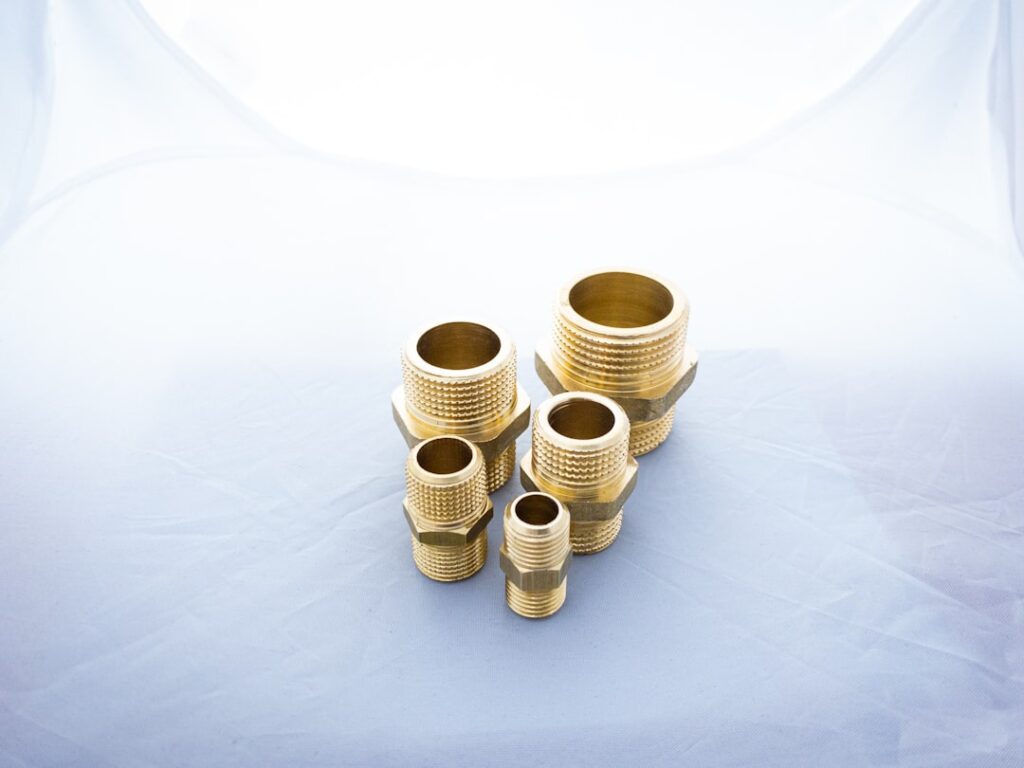
Picture a busy workshop where hydraulic machinery runs everything. A simple loose fitting causes a hydraulic line to fail, halting work and risking safety. Hydraulic fittings might seem minor, but they keep machines running and people safe. Knowing which fittings to use and how they work saves downtime and headaches. Hydraulic fittings come in many designs. Threaded fittings are common for high-pressure needs. They screw tightly onto hoses, pumps, or cylinders to hold up under stress. Quick-connect fittings let you attach or detach hoses fast, which is handy on mobile machines that need frequent hose changes. Using the right fitting type cuts the chance of leaks and failures. Material choice matters. Steel fittings handle high pressures well but can weigh more. Brass fittings resist corrosion and cost less, making them popular where rust is a concern. Plastic fittings are light and suit low-pressure setups but wear out faster under harsh conditions. Matching material to the job extends the life of your system. Installation isn’t just about screwing parts together. You need the correct torque. Too tight can damage threads or crush seals, causing leaks later. Too loose risks connections popping off when pressure builds. Always check manufacturer torque specs and use a calibrated torque wrench. It’s a small step that prevents big problems. Regular inspections are key. Look for signs like worn threads, cracks, or corrosion before they cause leaks or failures. Operators often miss minor drips until they turn into major spills. Having a checklist during routine maintenance helps catch issues early. Also, keep spare fittings handy to swap out damaged parts quickly and avoid extended downtime. Take a construction site with excavators relying on hydraulics for digging and lifting. If a certain fitting leaks often, it’s a sign it might not suit the pressure or movement demands. Switching to a higher-grade fitting or redesigning the hydraulic circuit can save time and money in repairs and lost productivity. For those sourcing parts, exploring hydraulic fittings options is smart. Check product specs carefully, including pressure ratings, thread types, and compatibility with your fluids. Miscommunication about these details is common and can lead to ordering wrong parts. Keep up with standards and innovations too. New designs sometimes improve sealing performance or reduce installation time. Suppliers who share updates about industry changes help you keep your systems current without guesswork. For additional guidance on hydraulic components, visit hydraulic component resources.
Skid Steer Tyres for Efficiency

On a busy construction site, a skid steer loader is a workhorse for grading, digging, and moving materials. But if its tyres aren’t up to the task, the whole operation suffers. One contractor experienced frustrating delays because their skid steer’s standard tyres couldn’t handle the rough, uneven ground. The result was slippage, poor traction, and slower progress. Fuel consumption went up and the wear on machines increased, driving costs higher than they needed to be. This is a common pitfall when tyres aren’t matched carefully to the work environment. Skid steer tyres come in different designs tailored to various surfaces. For soft, muddy soil, wider tyres with deep treads help spread out the weight and stop the loader from sinking. On harder surfaces like concrete or asphalt, solid rubber tyres resist damage and last longer. A typical mistake is choosing general-purpose tyres that don’t fit the terrain. This can cause more frequent replacements and unexpected downtime. Regular tyre inspections are vital but often overlooked. A loader operator once noticed difficulty steering and instability during turns. Checking the tyres revealed uneven wear caused by inconsistent inflation. Maintaining proper tyre pressure is one of the simplest ways to improve handling and extend tyre life. Operators should keep a reliable pressure gauge handy and check their tyres daily before starting work. Using all-terrain tyres can be a smart move for sites where conditions vary between gravel, mud, and paved areas. These tyres have tread patterns designed to grip multiple surfaces without sacrificing durability. This flexibility keeps productivity steady even when the ground changes unexpectedly. Some operators also rotate their tyres periodically to even out wear, a small habit that reduces costs over time. When it’s time to buy new tyres, getting advice from local suppliers can make a big difference. Tyre professionals can guide you to options best suited for your specific needs and budget. They often know which brands hold up under certain conditions and can suggest alternatives you might not find online. For those wanting to boost their equipment’s performance, exploring skid steer tyres designed for particular environments pays off. Safety on site depends heavily on having the right tyres fitted and maintained properly. Worn or wrong tyres increase the risk of accidents caused by slipping or loss of control. Good tyres improve stability and make sharp turns safer, especially when carrying heavy loads. Teams should include tyre checks in their routine equipment inspections and respond quickly to any signs of damage or wear. Finding the right tyres is only part of the equation; sourcing quality products at reasonable prices matters too. Local tyre shops usually offer competitive rates and fitting services that save time. They can also provide ongoing support like balancing and repairs, which helps avoid costly breakdowns later on. Operators can get trusted tyre support to ensure they buy well and keep their machines running smoothly. Additionally, investing in tyre technology advancements can further enhance skid steer performance. Innovations such as puncture-resistant materials and self-cleaning tread designs reduce downtime and maintenance costs. Staying informed about these developments allows operators to make smarter purchasing decisions that pay off in the long run. Training operators on proper tyre care is equally important. Understanding how to identify early signs of wear or damage can prevent accidents and extend tyre life. Regular workshops or briefings on tyre maintenance best practices empower teams to take proactive steps, ensuring equipment reliability and safety. Moreover, environmental considerations are becoming increasingly relevant. Selecting tyres that minimize soil compaction helps preserve site conditions and supports sustainable construction practices. Some manufacturers now offer eco-friendly tyre options that balance performance with reduced environmental impact. In conclusion, the right skid steer tyres are crucial for operational efficiency, safety, and cost management on construction sites. Combining expert advice, regular maintenance, and awareness of new technologies ensures that skid steer loaders perform at their best under varying conditions. This holistic approach ultimately leads to smoother workflows and better project outcomes.
Cement Rendering Melbourne: Enhance Your Space

If your home’s exterior is looking tired with cracks, peeling paint, or worn surfaces, cement rendering can restore its look and add protection. In Melbourne, applying a mix of cement, sand, and water creates a smooth, durable finish that shields walls from weather damage. The key is using the right blend and applying it properly, which can prevent common issues like moisture seepage or salt damage, especially in coastal suburbs like Bayside and Inner South East Melbourne. Experienced renderers often check for any loose material before starting, ensuring the new layer bonds well and lasts longer. A good prep routine includes cleaning and sometimes wetting the surface to improve adhesion. Commercial properties benefit from cement rendering too. A fresh render can make a storefront more appealing, encouraging foot traffic by presenting a clean and cared-for facade. Many business owners overlook how a quick upgrade to the exterior can impact customer perception. A textured finish can even hide minor imperfections while adding character. Timely rendering work usually involves applying multiple thin layers rather than one thick coat, reducing cracking risks during drying. For homeowners updating outdoor areas like swimming pools, cement rendering offers both style and function. A newly rendered pool surround looks sleek and modern, and textured finishes provide extra grip to reduce slip hazards when wet. Maintenance becomes easier since dirt and algae find it harder to cling to a smooth, sealed surface. It’s common to see clients request coloured or tinted renders to match their outdoor design schemes, which can be applied during the final coat. Cement rendering works on a variety of surfaces including brick, concrete blocks, and existing renders. This flexibility means whether you are renovating an old property or building from scratch, you can achieve a consistent finish. The process typically involves removing loose paint or render first and repairing any damaged areas. Applying render in stages, scratch coat, brown coat, then finish coat, helps control drying times and reduces shrinkage cracks. When done properly, the final surface can be tailored to your taste: smooth for modern minimalism or textured for a rustic feel. Beyond looks, rendering can improve insulation. A well-applied layer adds thermal mass and reduces drafts, helping homes stay cooler in summer and warmer in winter. Melbourne’s variable climate makes this benefit noticeable over time. Some homeowners report slight energy savings after rendering, though results depend on thickness and materials used. Insulation gains are often overlooked during initial assessments but become clear once the house feels less drafty. If you want to upgrade your property without overspending, consulting with professionals who specialise in cement rendering melbourne is a smart step. They can advise on material choices, finishes, and timelines based on your property’s condition. Experienced contractors usually request a site visit before quoting to assess the surface preparation needed. It’s common for homeowners to misunderstand the time required for each coat to dry properly, which can lead to rushed jobs and future repairs. Checking past projects and reading reviews helps avoid disappointment. Reliable companies have portfolios showing different finishes and client feedback highlighting punctuality and attention to detail. Many businesses combine skills from plastering, painting, and general building to deliver better results across residential and commercial projects. For those planning renovations, it’s worth exploring local providers who understand Melbourne’s specific environmental challenges and building styles. You can find more information on options for residential rendering services melbourne.