
Enhance Cognitive Function Naturally

Cognitive function refers to a range of mental abilities that include memory, attention, language, problem-solving, and decision-making. These functions are essential for daily life, influencing everything from how we learn and retain information to how we interact socially and make choices. As people look for ways to improve mental sharpness and maintain brain health over time, interest in cognitive enhancement continues to grow. There are several scientifically supported strategies that can help optimize cognitive performance. A consistent sleep schedule is one of the most critical factors. Sleep affects nearly every aspect of brain function. During deep sleep stages, the brain consolidates memories and clears out toxins that can impair cognition. Adults should aim for seven to nine hours of quality sleep per night to support mental clarity and emotional balance. Nutrition also plays a major role in brain health. Diets rich in whole foods, particularly those containing omega-3 fatty acids, antioxidants, and B vitamins, are linked to better cognitive outcomes. Foods like leafy greens, berries, fatty fish, and nuts have been shown to support memory and learning processes. Hydration is another often-overlooked element; even mild dehydration can impair attention and short-term memory. Regular physical activity provides both direct and indirect benefits to the brain. Exercise increases blood flow, which delivers oxygen and nutrients essential for neuron function. It also promotes the release of brain-derived neurotrophic factor (BDNF), a protein that supports the growth and survival of brain cells. Aerobic activities like walking, cycling, or swimming appear especially beneficial for maintaining cognitive function into older age. Mental stimulation is equally important. Engaging in intellectually challenging tasks, such as learning a new language, playing a musical instrument, or solving puzzles, can help build cognitive reserve. This concept refers to the brain’s ability to adapt and compensate for age-related changes or disease. By staying mentally active, individuals may delay the onset of cognitive decline associated with aging. Stress management is another key factor. Chronic stress can impair memory and decision-making by affecting the structure and function of the brain’s hippocampus and prefrontal cortex. Techniques such as mindfulness meditation, yoga, and deep-breathing exercises have been shown to reduce stress and improve focus and emotional regulation. Incorporating these practices into a daily routine can contribute to long-term cognitive resilience. Social interaction also supports cognitive health. Meaningful relationships and regular social engagement stimulate brain regions involved in memory, language, and executive function. Studies suggest that individuals who maintain strong social ties are at a lower risk for cognitive decline and dementia later in life. Whether through community involvement, volunteering, or simply maintaining close friendships, staying socially connected can have lasting mental benefits. In addition to lifestyle interventions, structured brain health programs can offer comprehensive approaches to improving mental performance. Some programs integrate nutrition, exercise, mental training, and stress reduction techniques to systematically enhance cognitive function. These programs may offer personalized assessments and strategies tailored to individual needs and goals. Emerging research also points to the importance of gut health in brain function. The gut-brain axis, a communication network linking the gastrointestinal system and the brain, influences mood, cognition, and overall mental health. A balanced diet that supports a healthy gut microbiome, possibly supplemented with probiotics or prebiotics, may contribute to improved cognitive outcomes. Digital tools and apps have become popular for tracking cognitive performance and supporting mental exercises. While not all brain training platforms are backed by strong scientific evidence, some show promise in targeting specific skills like working memory or processing speed. When used in conjunction with other lifestyle changes, these tools can be part of a broader strategy to maintain cognitive vitality. As science continues to explore how the brain ages and adapts, it becomes increasingly clear that multiple factors influence cognitive function. By focusing on daily habits that nurture both the body and the mind, individuals can take proactive steps to support their mental performance throughout life. For more information about strategies for brain health and ongoing research, visit this resource on cognitive wellness.
Evaporative Air Conditioner Cooling
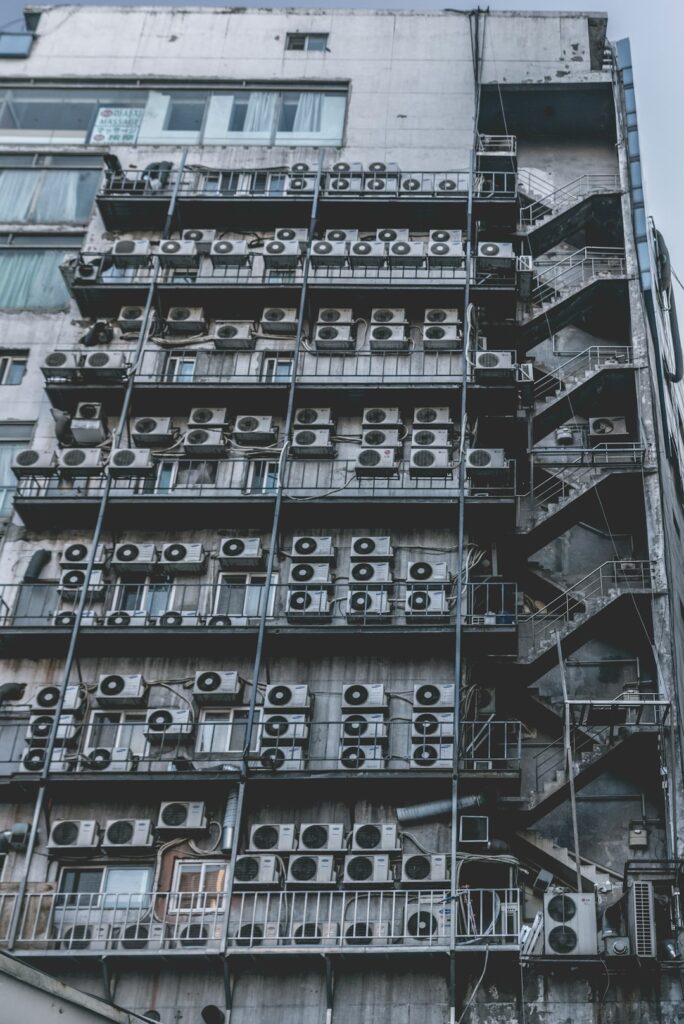
Evaporative air conditioners have become an increasingly popular choice in regions with hot, dry climates, offering an energy-efficient alternative to traditional cooling systems. Unlike refrigerated air conditioning, which uses chemical refrigerants and compressors, evaporative cooling relies on the natural process of water evaporation to lower air temperature. This method not only consumes less electricity but also delivers a fresher, more natural airflow, closely mimicking outdoor breezes. The basic principle of an evaporative air conditioner is straightforward. Warm outside air is drawn through water-saturated pads, where it absorbs moisture and cools down before being circulated into the interior space. The key benefit of this process is its low energy consumption, as it primarily requires power to run the fan and the water pump. Consequently, households and businesses using this type of system often see a noticeable reduction in their energy bills during peak summer months. In addition to energy efficiency, evaporative coolers are often considered more environmentally friendly. They do not use harmful refrigerants, which can contribute to ozone depletion and global warming. By using only water as the cooling medium, these systems offer a sustainable option for those looking to reduce their carbon footprint. Furthermore, since these units circulate fresh air rather than recirculating indoor air, they help improve indoor air quality by removing stale air and introducing filtered, moisture-rich air from the outside. Another advantage of evaporative cooling is its simplicity of installation and maintenance. Most units can be installed without major structural modifications, and routine maintenance generally involves checking water levels, cleaning or replacing pads, and ensuring the system is free of scale and sediment buildup. These tasks are relatively easy compared to the more complex servicing requirements of traditional air conditioning systems. For those considering the switch, an evaporative air conditioner can be an ideal solution, especially in areas where humidity levels remain low throughout the summer. However, it is important to note that these systems are less effective in humid environments, where the air is already saturated with moisture and cannot absorb much more. In such conditions, the cooling effect is significantly diminished, and alternative systems may be more suitable. When assessing whether an evaporative cooling system is right for your space, it is crucial to consider factors such as climate, building layout, and ventilation. These units work best in open environments where air can flow freely, allowing for the continuous replacement of warm indoor air with cooler, moistened air. Buildings with sealed windows and limited ventilation may not experience the same level of performance, as stagnant air can build up and reduce the system’s effectiveness. Modern evaporative coolers come in various sizes and configurations, from portable units suitable for single rooms to ducted systems capable of cooling entire homes or commercial spaces. Innovations in design have led to improved water efficiency, quieter operation, and better air filtration, making these systems more appealing to a broader range of users. Some models even feature smart controls, allowing users to manage temperature settings remotely via mobile apps. In addition to their cooling benefits, evaporative systems can help maintain indoor humidity levels, which is particularly beneficial in dry climates where air conditioning can otherwise contribute to dry skin, irritated eyes, and respiratory discomfort. By adding moisture to the air, these systems can create a more comfortable living environment, especially for individuals sensitive to dry indoor conditions. For those seeking advice or installation services, a range of resources is available online to guide consumers through product selection and system setup. Professional support can be particularly helpful in tailoring a solution that matches specific cooling needs and building requirements. To explore more about suitable options and system types, visit this resource for home cooling solutions. Overall, evaporative air conditioners represent a viable and appealing choice for energy-conscious consumers living in the right climate. With lower operational costs, reduced environmental impact, and improved indoor air quality, they offer an efficient alternative to conventional cooling systems.
Frequency to Heal the Body Naturally

The idea that certain frequencies can influence the body’s ability to heal is not new. Ancient cultures recognised the power of sound and vibration in promoting wellbeing long before modern science began to explore the concept. From Tibetan singing bowls to Gregorian chants, frequency has long been woven into the fabric of healing traditions. Today, an increasing number of people are rediscovering the potential of vibrational therapies as a means to support physical, emotional and energetic balance. At the heart of this approach is the belief that every cell, tissue and organ in the body vibrates at a specific frequency. When this natural resonance becomes disrupted—through stress, illness or environmental factors—the body can fall out of alignment. Restoring the optimal frequency, it is said, may help return the body to a state of harmony. This is where the concept of using frequency to heal becomes especially relevant. One of the foundational ideas in vibrational healing is that certain frequencies can encourage the body’s natural repair mechanisms. Some practitioners use tuning forks, sound baths or guided meditations to expose individuals to these frequencies. The intention is not to replace medical treatment but to complement it by fostering a supportive environment where healing can occur more efficiently. For those interested in exploring the fundamentals of this approach, a number of resources delve into the principles behind frequency to heal and how it might be applied in practice. The science behind this field, while still emerging, provides some intriguing insights. Studies have shown that low-frequency sound waves can influence brain wave activity, promote relaxation, and even reduce pain in certain contexts. Research into music therapy, for example, has demonstrated its ability to lower blood pressure and cortisol levels, indicating a measurable effect on the body’s stress response. Though more empirical evidence is needed, the early findings suggest that frequency-based therapies can have tangible physiological impacts. Beyond physical health, frequency is also believed to play a role in emotional and energetic wellbeing. Many people report feeling more centred, less anxious and more connected after sessions involving sound or vibrational techniques. Whether through chanting, listening to specific tonal sequences or lying in a sound bath, the experience often induces a meditative state that supports emotional release and mental clarity. This aligns with the broader understanding that healing is not purely about the body, but also about the mind and spirit. Practices that incorporate frequency often begin with an assessment of the individual’s energetic state. From there, tailored sessions aim to recalibrate the body’s vibrational field. While the methods can vary—from sound therapy to energy healing practices—there is a consistent focus on restoring balance and coherence. For those seeking a holistic pathway to wellness, these therapies offer a non-invasive and deeply calming alternative. More information on how such practices integrate into a broader approach to wellbeing can be found through resources like vibrational energy healing. Ultimately, the use of frequency in healing presents an intriguing blend of ancient wisdom and modern exploration. As understanding continues to evolve, the potential for integrating these methods into mainstream wellness practices grows. Whether approached with spiritual curiosity or scientific interest, the journey into vibrational healing offers a meaningful opportunity to reconnect with the body’s innate capacity for restoration. For many, it is not just about addressing illness but about fostering a deeper sense of harmony within themselves and their environment.
Epson Ink Alternatives Reliable
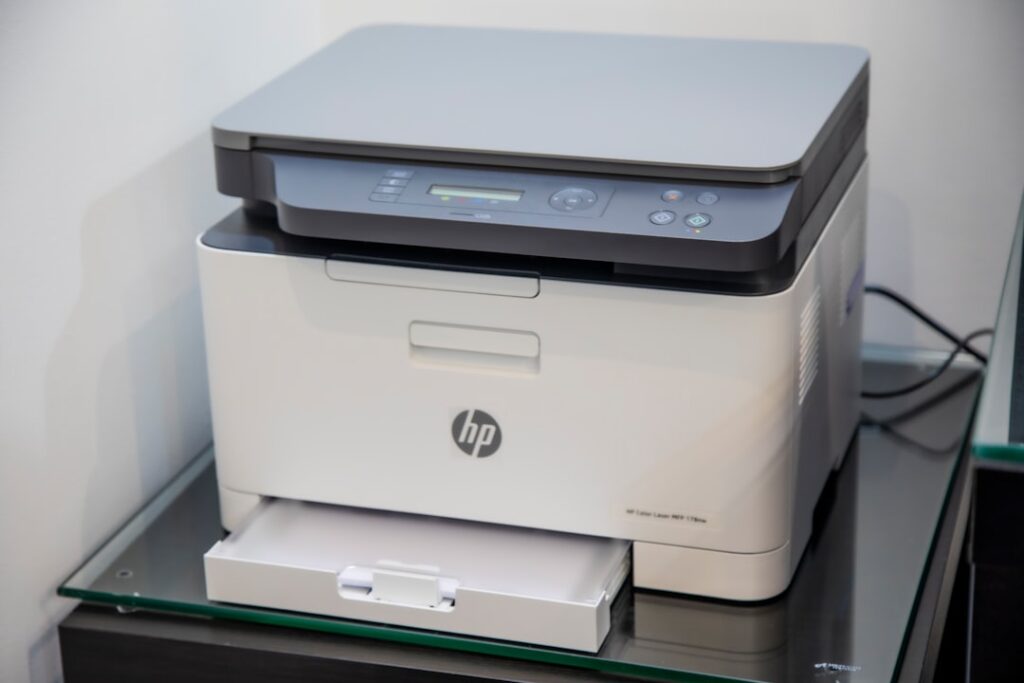
For many home and office printer users, finding cost-effective and dependable printing supplies is a top priority. Epson printers are known for their quality, but the ongoing cost of ink cartridges can be a financial burden for frequent users. This has led many to explore epson compatible ink cartridges as a practical alternative. These third-party options often come at a lower price point, making them an attractive choice for budget-conscious consumers. Compatible ink cartridges are designed to work with specific printer models without being manufactured by the original printer brand. While they are not original equipment manufacturer (OEM) products, many of these cartridges provide comparable print quality and reliability when sourced from reputable suppliers. This is especially important for users who depend on consistent results for professional or academic work. One of the significant advantages of using compatible cartridges is the potential for substantial cost savings. Original ink cartridges can be expensive, especially if you print frequently or in color. In contrast, compatible options often cost significantly less while still meeting the needs of most users. The lower cost per page can add up to considerable savings over time, making them an appealing option for households, students, and small businesses alike. Beyond cost, compatible cartridges can also offer a more sustainable choice. Many third-party manufacturers prioritize eco-friendly practices, such as using recycled components or offering recycling programs for used cartridges. This can reduce the environmental impact of printing, which is a growing concern for many consumers. For those looking to balance expense and ecological responsibility, compatible cartridges present a viable solution. However, not all third-party cartridges are created equal. Quality can vary between brands and manufacturers, making it crucial to purchase from trusted sources. Poorly made cartridges can result in subpar print quality, leakage, or even damage to the printer. That’s why it’s essential to buy from suppliers with a strong reputation for reliability and customer service. When shopping for epson compatible ink cartridges, choosing a well-reviewed provider can make all the difference in performance and satisfaction. Compatibility is another important factor to consider. Not every cartridge will work with every printer, even if it is labeled as compatible. Before purchasing, users should double-check that the cartridge is specifically designed for their printer model. This ensures proper fit and function, avoiding potential issues such as error messages or printing failures. Online suppliers often provide compatibility tools or guides to help customers select the right product with confidence. In addition to affordability and environmental benefits, many users report that high-quality compatible cartridges produce results nearly indistinguishable from OEM products. Text is typically crisp, and color reproduction can be vivid and accurate, especially when matched with the correct paper type and printer settings. This level of performance makes compatible cartridges suitable for a wide range of tasks, from basic document printing to more demanding photo or graphic work. For those new to using compatible cartridges, installation is usually straightforward. Most cartridges are designed to fit seamlessly into the printer’s existing cartridge slots, requiring no special tools or modifications. Detailed instructions are often included, and customer support is typically available if any issues arise. This simplicity has helped make compatible cartridges a popular choice among both novice and experienced users. When choosing a supplier, it’s worth considering factors such as customer reviews, return policies, and the availability of customer support. A supplier that stands behind its products can offer peace of mind, especially for those making the switch from OEM cartridges for the first time. Many online vendors provide extensive product information and user feedback to help buyers make informed decisions. One such reputable source is this trusted ink cartridge store, which offers a wide selection of compatible options tailored to various printer models. In summary, Epson compatible ink cartridges offer a compelling alternative to OEM products for users looking to save money without sacrificing performance. With the right supplier, they can deliver quality results, support sustainability efforts, and maintain the reliability that users expect. As long as consumers take the time to verify compatibility and source their cartridges from dependable providers, switching to compatible ink can be a smart and satisfying choice.