
Dry Eye Drops and the Desert of Vision

The human eye, much like a delicate ecosystem, depends on balance. When this harmony is disrupted by insufficient or poor-quality tears, the result is dry eye—a condition that affects millions, from office workers to outdoor enthusiasts. While it may sound benign, dry eye can significantly impact daily life. The sensation of gritty discomfort, blurred vision, and persistent irritation can become more than a minor nuisance, especially when left untreated. Dry eyes occur when the eyes do not produce enough tears or when the tears evaporate too quickly. The tear film, a three-layered structure composed of oil, water, and mucus, plays a crucial role in maintaining eye health and clear vision. Disruption in any of these layers can compromise the eye’s ability to stay lubricated and protected. Environmental factors such as wind, smoke, and air conditioning, along with prolonged screen time and certain medical conditions, are common contributors to this imbalance. In addressing the discomfort of dry eyes, artificial tears or dry eye drops are often the first line of defence. These drops aim to supplement the natural tear film, offering temporary relief and protecting the ocular surface. However, not all formulations are created equal. Some are designed for occasional use, while others are tailored for chronic conditions, offering longer-lasting hydration and support for tear film stability. Understanding the type of dry eye—whether evaporative, aqueous-deficient, or a combination of both—is key to selecting the most effective treatment. Those experiencing symptoms such as stinging, redness, light sensitivity, or a feeling of something in the eye may find that dry eye drops provide immediate comfort. The soothing relief they offer can help reduce inflammation and support healing, especially when used consistently and appropriately. However, drops that contain preservatives might not be suitable for everyone, particularly if used frequently, as they can exacerbate irritation over time. For individuals managing chronic or severe cases, it’s important to consult an optometrist. A tailored treatment plan might include prescription drops, punctal plugs to reduce tear drainage, or even lifestyle changes to mitigate causes of dryness. For example, increasing indoor humidity, taking regular screen breaks, and using wraparound glasses when outdoors can help reduce tear evaporation. In recent years, research has expanded our understanding of dry eye’s complexities. It is no longer viewed merely as a result of insufficient moisture but as a multifactorial disease with links to inflammation and ocular surface damage. This evolving perspective has influenced the development of more sophisticated treatments that address not just the symptoms, but also the underlying causes. Maintaining eye health, therefore, involves a combination of symptom relief and preventative care. Emerging technology has also improved the precision with which dry eye is diagnosed and monitored. Advanced imaging tools can assess tear film quality and measure tear volume, aiding eye care professionals in delivering targeted solutions. For patients, this means a higher likelihood of successful management and improved quality of life. Choosing the right eye drops can be overwhelming, given the range of products available. It’s essential to consider factors such as frequency of use, presence of preservatives, and compatibility with contact lenses. Some formulations incorporate lipids to address tear evaporation, while others focus on replenishing the watery layer. An optometrist can provide guidance based on individual needs and symptoms. For those seeking more information about eye care solutions or exploring treatment options tailored to their specific condition, professional eye care services offer valuable support. Understanding the nuances of your symptoms and the available remedies is a crucial step in restoring comfort and clarity to your vision. Dry eye may not garner as much attention as other ocular conditions, but its impact is real and often underestimated. With proper diagnosis, the right treatments, and a proactive approach, it’s possible to navigate the challenges of dry eyes and reclaim visual comfort in everyday life.
Textile Recyclers Transform Fabric Waste
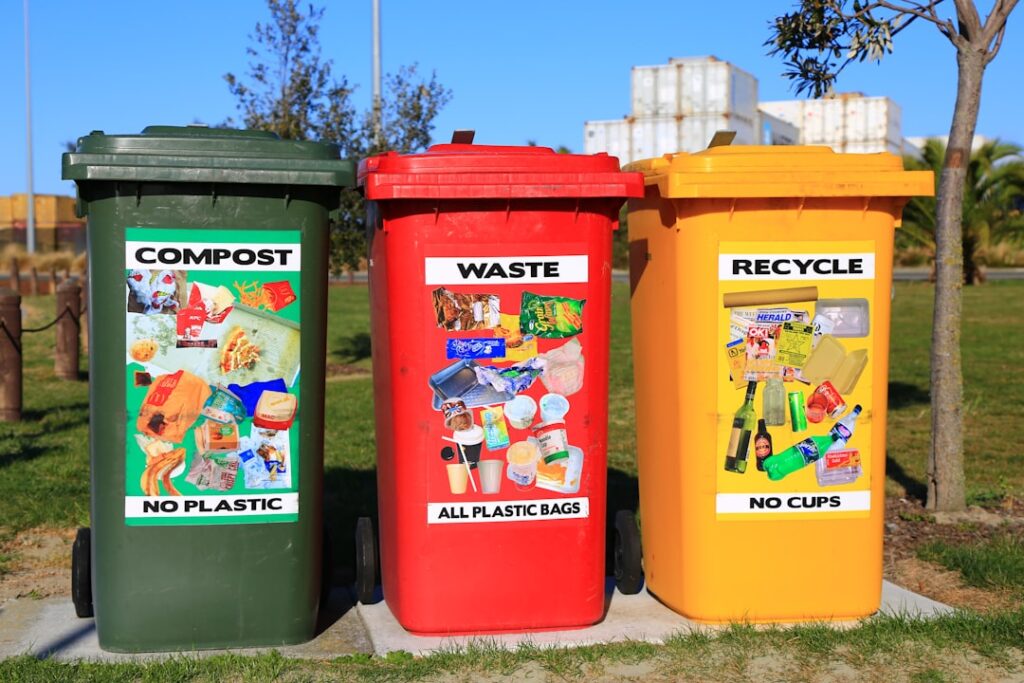
Every year, millions of tons of textiles end up in landfills, contributing to one of the fastest-growing categories of waste in the world. From discarded clothing to overstock materials and manufacturing scraps, the sheer volume of fabric waste poses a serious challenge to environmental sustainability. In response, textile recyclers are stepping up with innovative methods to give new life to old materials, reshaping the future of fashion and manufacturing. Textile recycling refers to the process of recovering fibers, yarn, or fabric from used garments and textile waste for reuse or reprocessing. This process helps minimize the environmental impact of textile production, which is known to consume vast amounts of water, energy, and chemicals. The traditional linear model of take-make-dispose is being replaced by a circular approach that emphasizes reuse, repair, and recycling. The work of textile recyclers involves more than just shredding old clothes into rags. Advanced technologies are now capable of separating blended fabrics, recovering high-quality fibers, and transforming them into new materials suitable for a range of applications. These developments are crucial as the textile industry shifts toward more sustainable practices. One of the key advantages of textile recycling is its potential to reduce the demand for virgin resources. Producing new textiles often involves the extraction of raw materials like cotton, which requires intensive farming practices, or synthetic fibers derived from petroleum. By using recycled fibers, manufacturers can lessen their reliance on resource-intensive processes and reduce their carbon footprint. In addition to environmental benefits, textile recycling also has economic implications. It creates jobs in collection, sorting, and processing, and supports the growth of green businesses. Many entrepreneurs and designers are turning to recycled materials to craft unique, eco-conscious products. This growing market reflects increasing consumer awareness and demand for sustainability in fashion and home goods. However, the path to widespread textile recycling is not without challenges. One major obstacle is the complexity of fabric blends. Many garments are made from a mix of natural and synthetic fibers that are difficult to separate. Inconsistent labeling and the presence of dyes or finishes can also complicate the recycling process. To address these issues, industry leaders are investing in research and development to improve material identification and separation technologies. Public participation is also essential. For recycling systems to function effectively, consumers must be willing to donate or return used textiles instead of throwing them away. Education campaigns and convenient collection points can play a significant role in encouraging responsible disposal habits. Furthermore, the design phase of a product can influence its end-of-life recyclability. Designers are now incorporating principles of sustainable design, such as using mono-materials and avoiding harmful chemical treatments, to ensure that products are easier to recycle. This shift requires close collaboration between designers, manufacturers, and recyclers to create a seamless circular system. Beyond recycling, upcycling is another strategy gaining traction. This approach involves creatively repurposing old textiles into new items of higher value, often with minimal processing. Upcycled products not only divert waste from landfills but also offer a unique aesthetic that appeals to eco-conscious consumers. As the industry evolves, platforms and organizations dedicated to circular solutions are becoming increasingly important. These hubs provide resources, education, and tools for businesses and consumers to engage in more sustainable practices. Companies focused on reuse and material recovery are helping to build the infrastructure needed for a more responsible future. For more information on how businesses are contributing to this movement, explore this circular economy initiative. The transformation of textile waste into valuable material is a promising solution to one of the most pressing environmental issues of our time. While challenges remain, the momentum behind textile recycling continues to grow, driven by innovation, collaboration, and a shared commitment to sustainability. As awareness increases and technologies advance, textile recyclers are poised to play a pivotal role in shaping a cleaner, more circular economy.
Piccalilli Varieties Worth Tasting
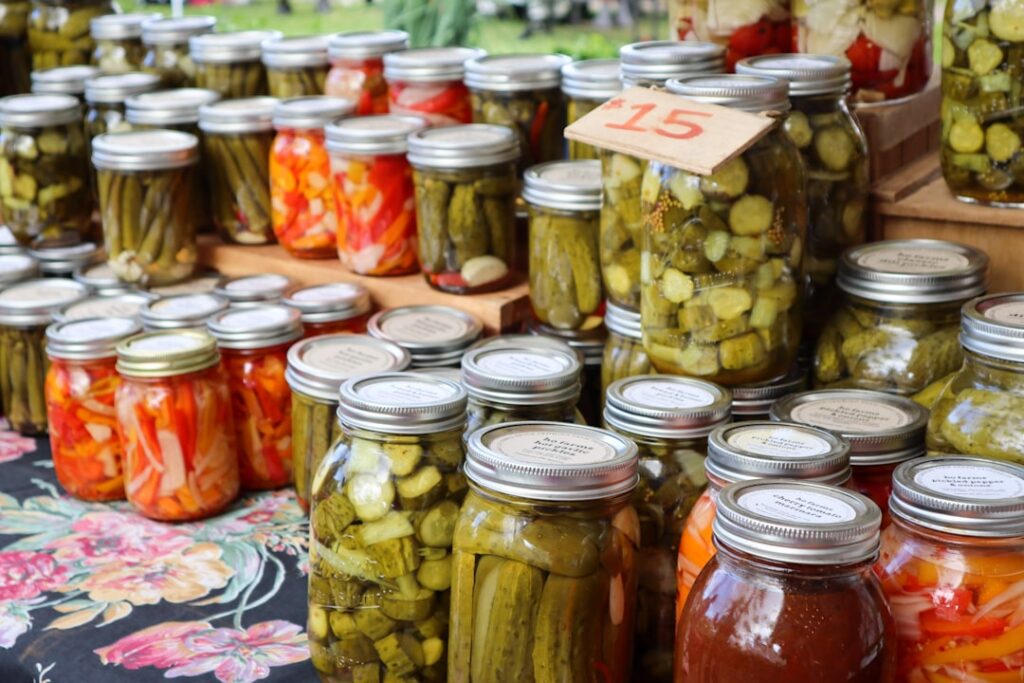
Piccalilli has long held a special place in British culinary tradition. This vibrant, tangy relish made from chopped vegetables and mustard-spiced pickling liquor brings a bold punch of flavour to everything from sandwiches to ploughman’s lunches. While its roots can be traced to Indian pickles introduced to Britain in the 18th century, piccalilli has evolved into a distinctly British condiment, often prepared with cauliflower, gherkins, and onions. The appeal lies in its unique balance of sharpness, sweetness, and spice, making it a versatile accompaniment that enhances a wide range of dishes. One of the key factors that influences the character of piccalilli is its texture. The ideal piccalilli should offer a satisfying crunch from the vegetables, without being overly coarse or mushy. Achieving this balance often comes down to careful preparation and high-quality ingredients. Freshness of the vegetables, the cut size, and the pickling time all contribute to the final result. Some versions lean towards a finer chop, ideal for spreading on cold meats or mixing into a cheese toastie, while others maintain chunky cuts that deliver a more rustic mouthful. Flavour is another crucial element in distinguishing a noteworthy piccalilli. The mustard base should be tangy and assertive, but not overpowering. A subtle sweetness, often coming from sugar or honey, rounds out the acidity from the vinegar. Spices like turmeric, ginger, and mustard seeds add complexity and warmth. The best piccalilli strikes a careful harmony between these components, offering depth without becoming overwhelming. For those exploring options, it’s worth looking into selections curated for their quality and craftsmanship, such as those found among the best piccalilli collections available online. Another aspect that sets superior piccalilli apart is its versatility. While traditionally served with cold meats and cheeses, it can also be used to elevate everyday meals. Stirring a spoonful into mashed potatoes or adding it to a grilled cheese sandwich can transform a simple meal into something memorable. It also pairs well with charcuterie boards, roasted meats, and even as a condiment for sausages or burgers. Some cooks also incorporate it into dressings or marinades for an extra layer of flavour. Regional variations and small-batch producers contribute to the rich diversity of piccalilli available today. Some recipes favour a heavier use of mustard or vinegar, while others introduce unconventional ingredients such as courgettes or red peppers. There are also low-sugar or spicier versions for those with specific dietary needs or taste preferences. This variety means that there is a piccalilli for nearly every palate, whether you prefer something bold and biting or more mellow and rounded. Consumers who appreciate handcrafted condiments often look for products made with traditional methods and natural ingredients. These qualities not only enhance the flavour but also reflect a commitment to preserving culinary heritage. Supporting businesses that prioritise these values can lead to discovering new favourites and ensuring the continued appreciation of this classic British relish. To explore a wide range of craft pickles and preserves, you can visit this speciality pickles and condiments shop that offers thoughtfully made options for piccalilli lovers. Pairing piccalilli with the right foods is key to enjoying its full potential. Strong cheeses like mature cheddar or Stilton are natural companions, as their richness complements the acidity and spice of the relish. Cold cuts such as ham, roast beef, or turkey benefit from the added zing, and even vegetarian options like nut roasts or lentil loafs can be enhanced with a spoonful on the side. Whether served at a festive gathering or added to a midweek lunch, piccalilli offers a touch of tradition and a burst of flavour that can elevate any meal. In a culinary world that increasingly values authenticity and bold flavours, piccalilli continues to stand out as a quintessentially British condiment. Its enduring popularity speaks to its adaptability and the comfort it brings to familiar dishes. Exploring different varieties and uses for piccalilli can uncover new favourite combinations and deepen one’s appreciation for this colourful, flavourful preserve.
Late Night Food NYC Dilemmas Solved

New York City never sleeps, but finding a satisfying bite after midnight can sometimes feel like a daunting challenge. Whether you’re wrapping up a late shift, coming home from a night out, or just craving something savory at 2 a.m., the search for good food in the wee hours can be surprisingly tricky. Despite the city’s vibrant food culture, not every neighborhood offers quality late-night options when you need them most. The good news is that the city’s culinary heartbeat continues well into the night if you know where to look. From sizzling street carts to cozy all-night diners, NYC offers a variety of flavors that cater to the nocturnal appetite. A growing number of spots specialize in late-night service, providing comfort food and global flavors to satisfy nearly every craving. Whether you’re looking for tacos, dumplings, or a hot sandwich, the city’s diverse neighborhoods are rich with possibility. One of the most rewarding ways to discover these hidden gems is to explore areas known for their late-night culture. In particular, neighborhoods with strong nightlife scenes often have food vendors and eateries that stay open long after traditional restaurant hours. Understanding where to find late night food nyc can transform an otherwise frustrating search into a culinary adventure worth staying up for. Of course, availability varies by borough and even block to block. Manhattan offers plenty of options around the Lower East Side and East Village, while Brooklyn’s Williamsburg and Bushwick neighborhoods have become go-to spots for after-hours bites. Queens and the Bronx also hold their own, with authentic offerings that reflect the rich cultural diversity of their communities. Knowing the right areas to explore can make all the difference between settling for something uninspired and scoring the perfect midnight meal. For those who prefer convenience or are new to the city, online resources can be helpful in finding reliable spots that serve into the early morning. Some platforms highlight trusted local favorites and provide updated hours and menus. It’s also worth checking local food blogs or community forums that focus on nightlife and dining. One such resource, this NYC food guide, offers insights into where to find satisfying late-night eats across the city. Late-night dining in New York isn’t just about filling a hunger gap; it’s part of the city’s dynamic culture. Sharing a bite at 1 a.m. with friends or striking up a conversation at a 24-hour taco stand can be as memorable as the rest of your night out. For many, these meals become traditions and part of the rhythm of city life. So the next time hunger strikes after hours, remember that NYC still has plenty to offer. With a bit of curiosity and a willingness to explore, you might just find your new favorite spot when the rest of the city is winding down.